

Essential Monsoon Care for All Herbs
The biggest challenge during the rains is not a lack of water, but an excess of it. Heavy downpours can lead to waterlogged soil, which causes roots to rot—the number one killer of potted plants during this season. To avoid this, ensure every pot has
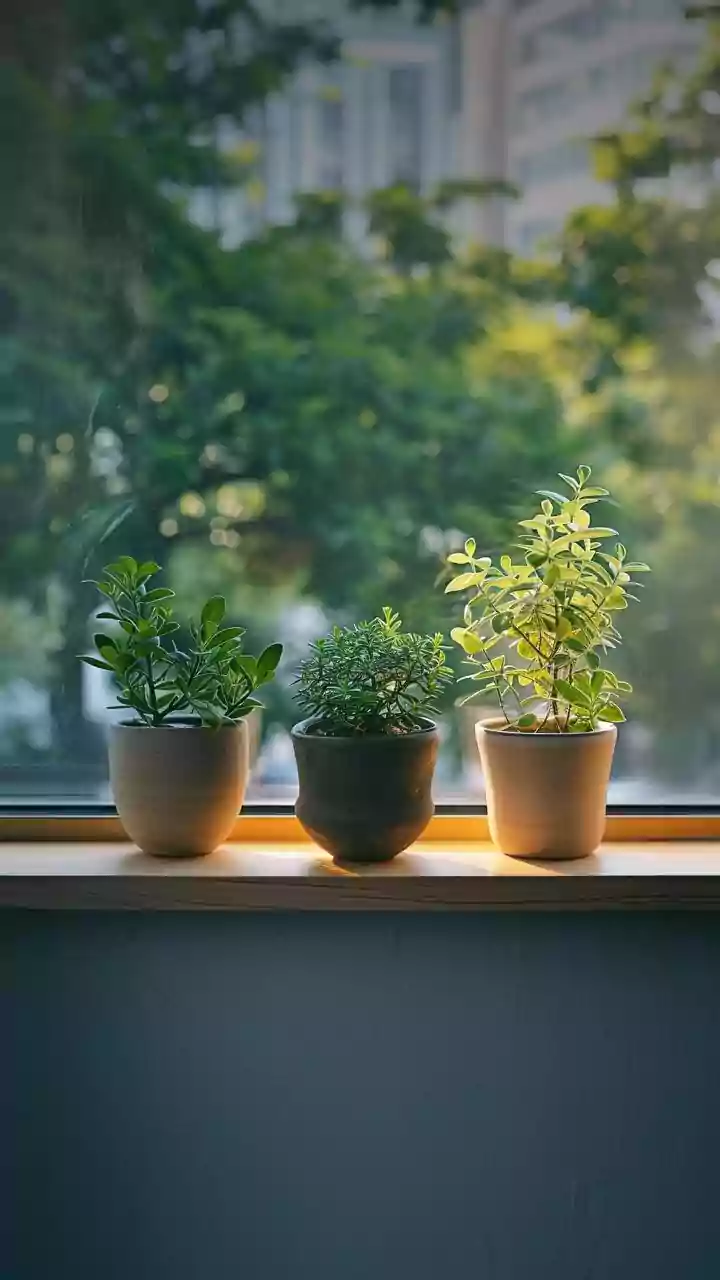
multiple drainage holes. Elevating your pots on bricks or a stand can dramatically improve drainage and airflow. The right soil mix is also crucial. A light, well-draining mix is non-negotiable. Combine equal parts garden soil, compost, and a material like cocopeat or sand to create a medium that retains some moisture but allows excess water to escape quickly. Finally, while sunlight can be scarce, most herbs will manage with 4-5 hours of bright, indirect light. Position your plants in the brightest part of your balcony, away from direct, heavy rainfall if possible.
Thriving Through the Drizzle: Basil
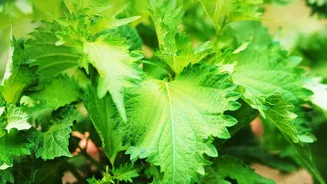
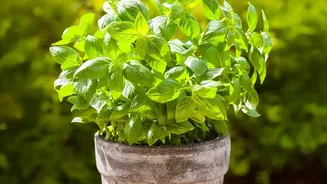
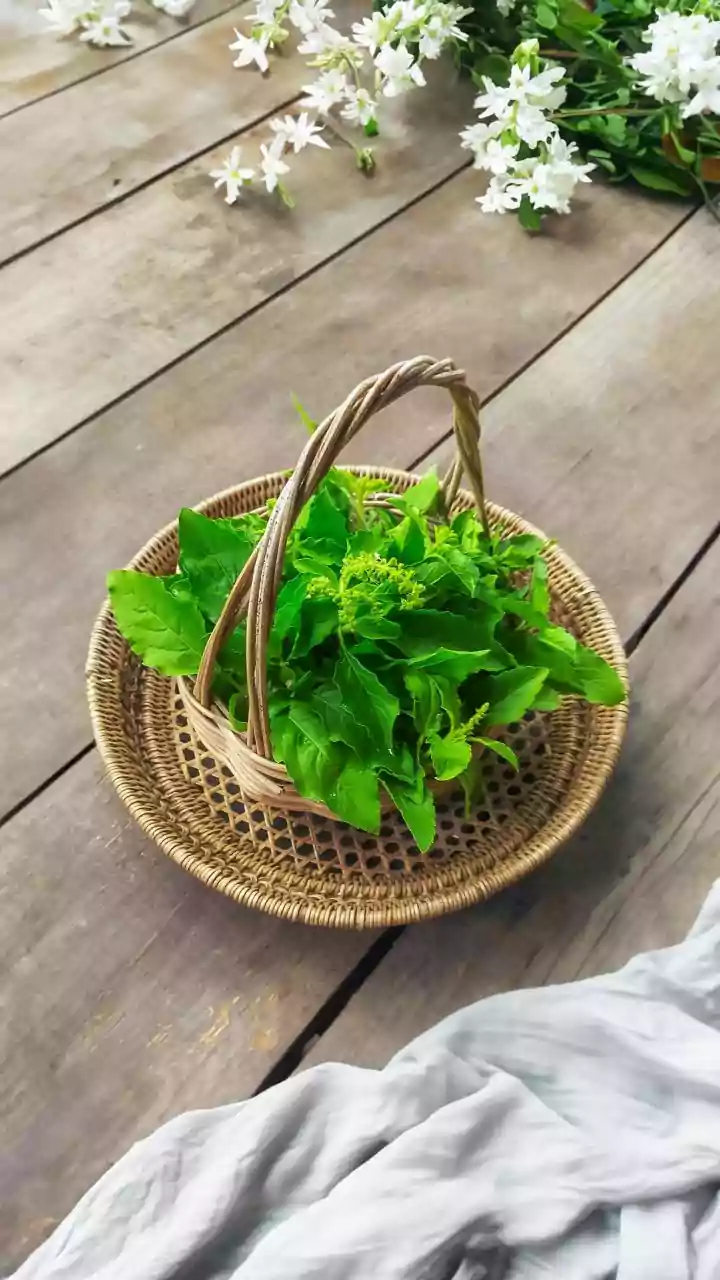
Basil is famously fussy about water and is particularly susceptible to root rot. During the monsoon, water your basil plant only when the top inch of soil feels dry to the touch. It's better to underwater slightly than to overwater. Due to overcast skies, your basil might not grow as vigorously as it does in summer, but it will still produce flavourful leaves. Pruning is key; regularly pinch off the top sets of leaves to encourage a bushier plant and prevent it from flowering, which can make the leaves bitter. This also improves air circulation around the plant, helping to prevent the fungal diseases that are common in high humidity. If you see any signs of fungus, like white powdery spots, remove the affected leaves immediately.
Managing the Vigor of Mint
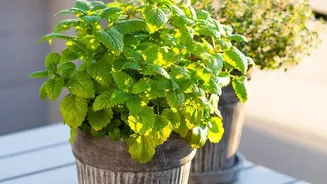
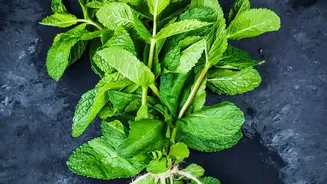
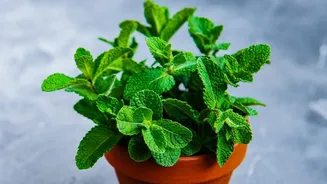
Unlike basil, mint loves water and will often thrive in the moist conditions of the monsoon. However, even mint can suffer if left in completely waterlogged soil. Good drainage remains important. Mint is a vigorous spreader, sending out runners that can quickly take over a pot or even jump to adjacent ones. Growing it in a dedicated container is essential. Regular harvesting is the best way to keep it in check and encourage lush, leafy growth. Trim the stems often for your daily cup of tea or to make chutney. This prevents the plant from becoming leggy and keeps it producing tender new leaves. If stems turn black due to excess rain, prune them off to keep the plant healthy.
Lemongrass: The Hardy Grass
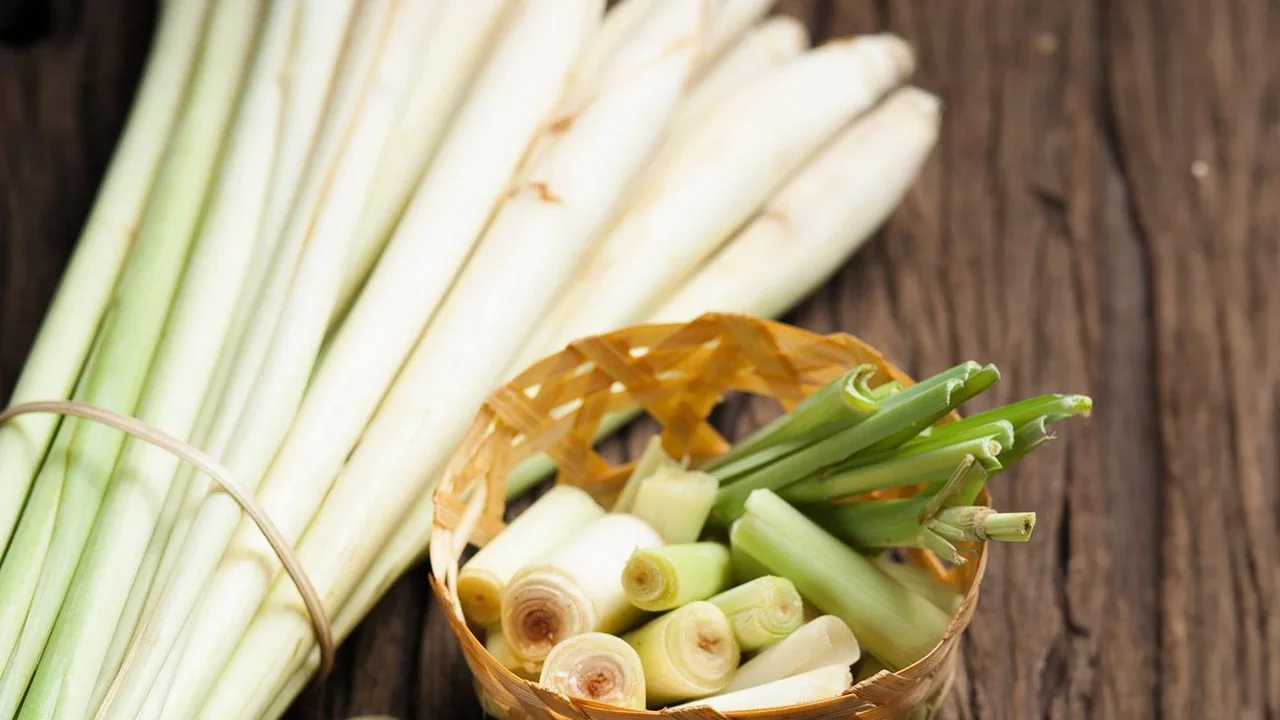
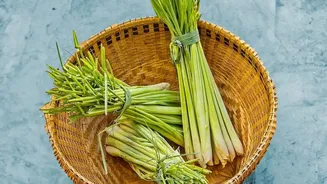
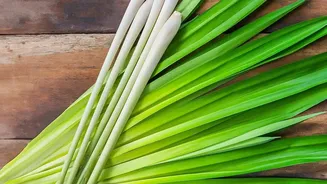
Lemongrass is a tough, resilient herb that is well-suited to the Indian climate. It enjoys the humidity and moisture of the rainy season but still requires well-drained soil to prevent its roots from sitting in water. A mix of garden soil, sand, and compost is ideal. Lemongrass is not particularly prone to pests and diseases, making it a relatively low-maintenance choice for a monsoon garden. Ensure it gets a few hours of sunlight each day to flourish. Harvest the stalks by cutting them at the base when they are about half an inch thick. You can easily propagate new plants from store-bought stalks by placing them in a glass of water until roots develop.
Keeping Pests at Bay
The damp, humid weather of the monsoon is a paradise for pests like snails, slugs, aphids, and mealybugs. Inspect your plants regularly, paying close attention to the undersides of leaves and new shoots where pests love to hide. Most infestations can be managed without chemical pesticides. A simple spray of neem oil mixed with water and a drop of liquid soap is a highly effective organic solution for repelling many common pests and preventing fungal growth. Removing any infected leaves or debris from your pots will also help keep your herb garden healthy and pest-free.