



Why the Monsoon Increases Food Safety Risks
The rainy season creates a perfect storm for food contamination. High humidity and moisture in the air allow bacteria, fungi, and viruses to multiply rapidly. Food that might last for days in other seasons can spoil in hours. Furthermore, heavy rains
can lead to waterlogging and contamination of public water sources, which can compromise the safety of fresh produce before it even reaches your kitchen. This environment contributes to a sharp rise in gastrointestinal infections like food poisoning, diarrhoea, typhoid, and cholera during these months. Understanding these risks is the first step toward protecting yourself and your family.
The Foundation: Sourcing and Cleaning Ingredients
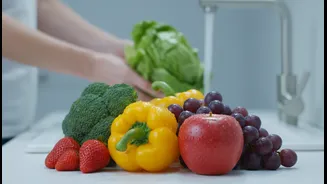
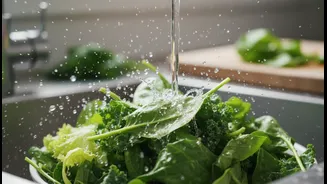
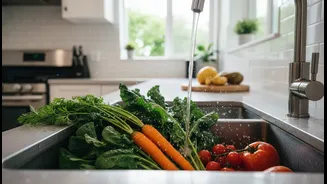
Your defence against monsoon ailments starts at the market. Be selective when buying produce. Choose vegetables and fruits that are fresh, firm, and free from bruises or cuts. Leafy greens like spinach and cabbage, which grow close to the ground, carry a higher risk of contamination from soiled water and should be cleaned with extra care. A good practice is to soak all vegetables, especially leafy ones, in a bowl of water with a bit of salt or vinegar for about 15 minutes before rinsing them thoroughly under running water. For meats and seafood, which are highly perishable, ensure you buy from a reputable source. Store them in the coldest part of your refrigerator immediately and cook within a day or two.
Mastering Monsoon Cooking Techniques
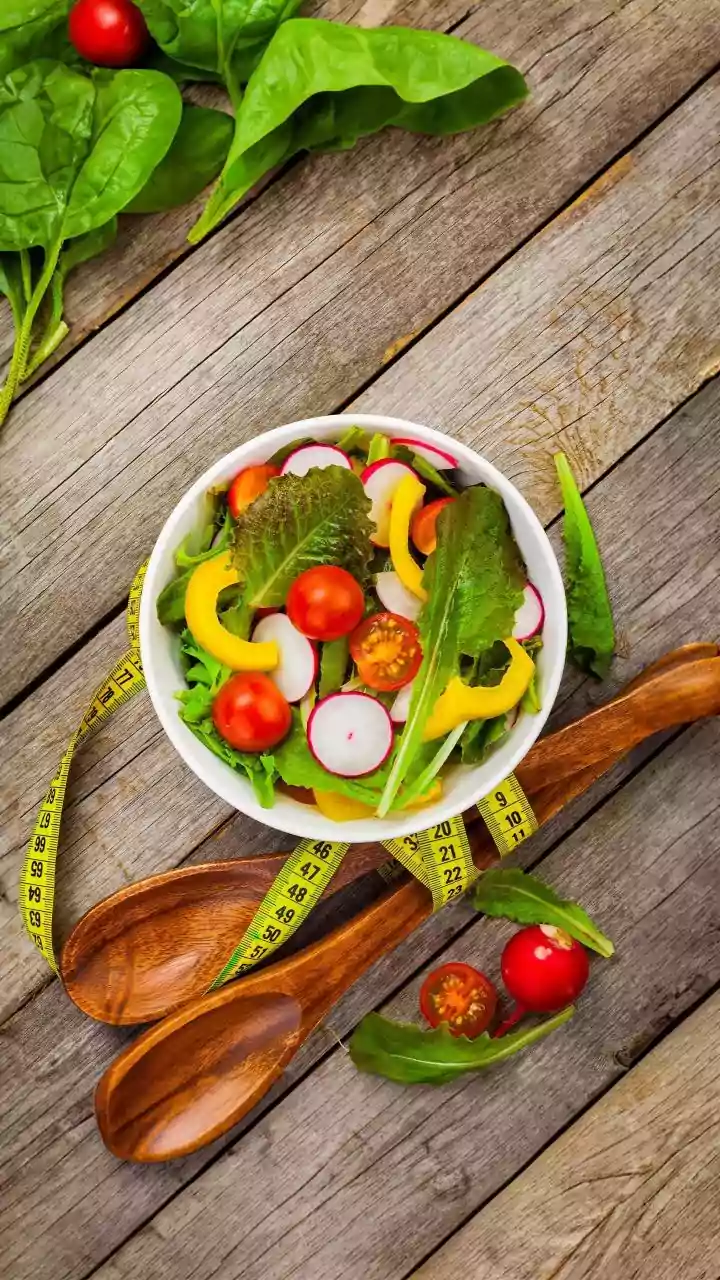
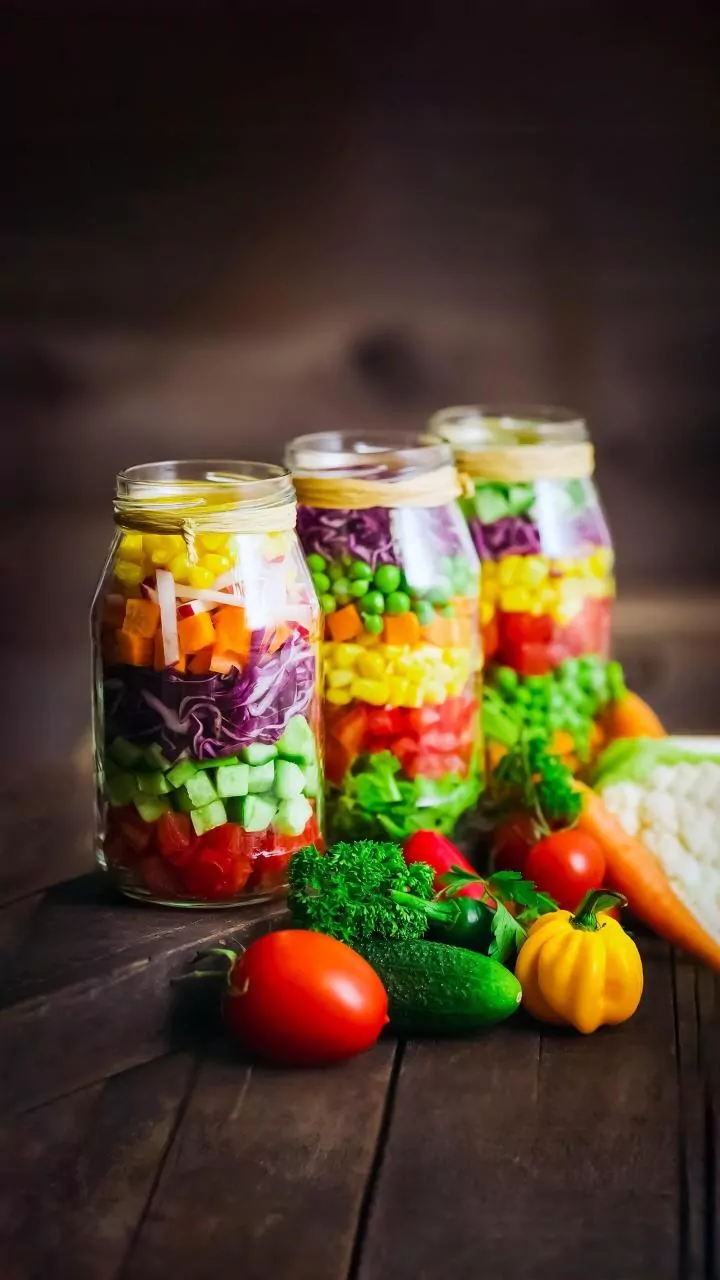
Proper cooking is one of your most effective tools for killing harmful germs. During the monsoon, it's best to avoid raw foods like salads unless you prepare them at home with meticulously cleaned ingredients. Steaming vegetables is a great alternative to eating them raw, as it kills pathogens while retaining nutrients. When it comes to meat, poultry, and seafood, ensure they are cooked to a safe internal temperature. A food thermometer can be a useful tool to guarantee doneness. Always opt for freshly cooked meals. Food spoils quickly in damp weather, so try to cook smaller portions and consume them immediately rather than relying on leftovers. If you must store leftovers, refrigerate them promptly in airtight containers and reheat them thoroughly until steaming hot before eating.
Navigating Street Food and Eating Out
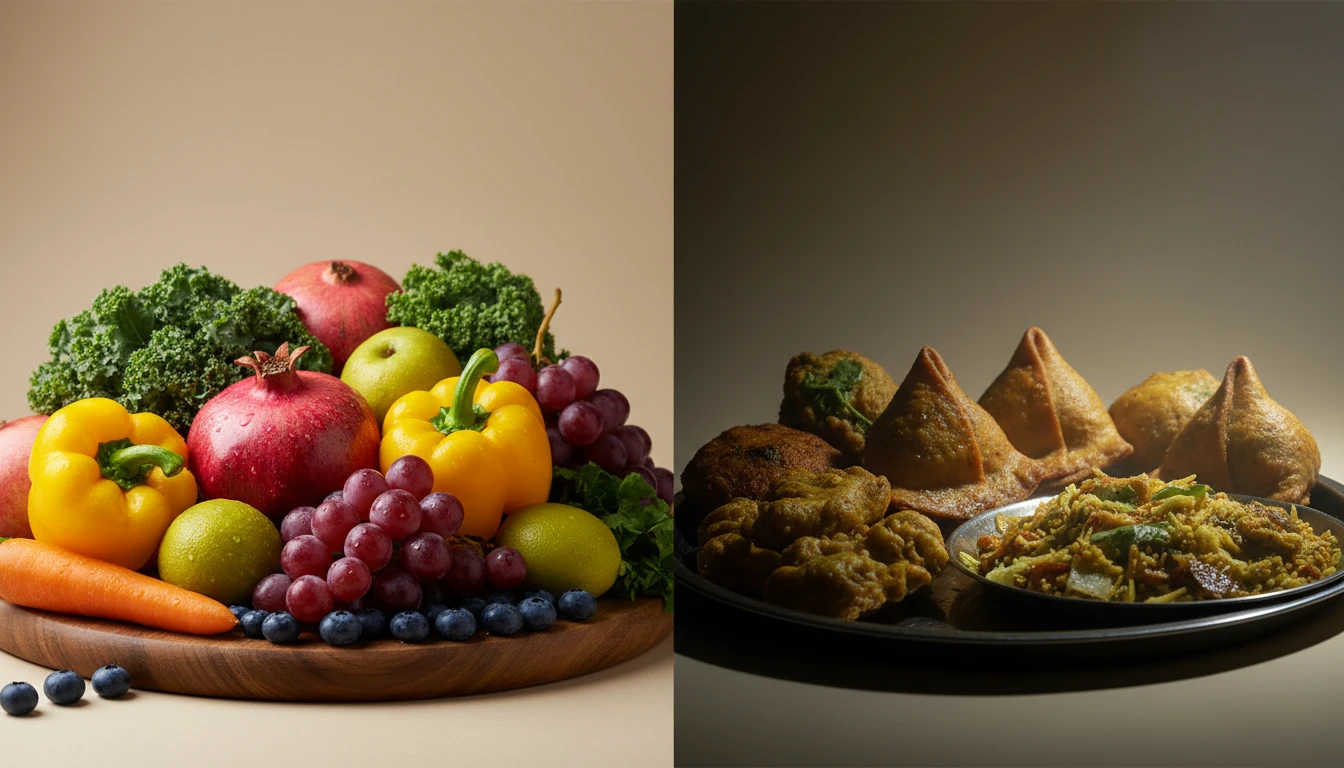
The craving for hot, fried snacks is almost synonymous with a rainy day, but street food poses a significant risk during the monsoon. It's difficult to verify the hygiene standards and the quality of water used by vendors. Items like chaat, pre-cut fruits, and fresh juices are particularly risky due to exposure to contaminated water and air. If you must indulge, choose vendors who maintain high standards of cleanliness and serve food that is prepared fresh and served piping hot. A safer bet is to recreate your favourite street food snacks at home, where you have complete control over the ingredients and preparation.
Bolstering Your Defences: Hydration and Immunity
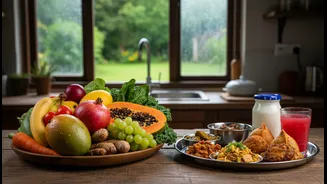
Beyond food, safe hydration is critical. Waterborne diseases are common during the monsoon, so always drink boiled, filtered, or purified water. Avoid ice in drinks when you're outside, as it may be made from untreated tap water. You can also strengthen your body's natural defences by incorporating immunity-boosting foods into your diet. Items rich in Vitamin C like citrus fruits, amla, and papaya can help. Spices and herbs like turmeric, ginger, and garlic, common in Indian cooking, have natural antibacterial and anti-inflammatory properties that support a healthy immune system. A balanced diet, rich in freshly cooked whole foods, is your best shield for a healthy monsoon.