





The Goal: Repair and Refuel Your Muscles
When you exercise, especially with resistance training, you create microscopic tears in your muscle fibers. This is a good thing—it’s the stimulus that signals your body to rebuild them stronger and bigger. To do this, your body needs two key things:
protein and carbohydrates. Protein provides the essential amino acids that are the literal building blocks for repairing that damaged muscle tissue in a process called muscle protein synthesis. Carbohydrates are just as crucial. A tough workout depletes your muscles' primary fuel source, known as glycogen. Consuming carbs after your session helps to replenish these stores, which speeds up recovery, reduces fatigue, and ensures your muscles are ready for your next workout.
The Problem: The Post-Workout Digestive Dilemma
Here’s where things get tricky. During intense exercise, your body is smart—it prioritizes sending blood to your working muscles and lungs, diverting it away from your digestive system. This process can significantly slow down digestion, and that effect can linger even after you've finished your last set. If you immediately eat a heavy, complex meal that’s high in fat or a large amount of fiber, your gut may struggle to process it. This can lead to that uncomfortable feeling of bloating, cramping, or heaviness, which is the last thing you want when you’re trying to recover. While healthy fats and fiber are vital parts of a balanced diet, consuming them in large quantities right after a workout can delay the absorption of the protein and carbs your muscles are crying out for.
The Solution: Prioritize Fast-Absorbing Nutrients
The key to effective post-workout nutrition is to choose foods that are easy on your digestive system. This means focusing on simple, fast-digesting carbohydrates and lean, high-quality proteins. Fast-acting carbs, like those in fruits, white rice, or potatoes, are broken down quickly into glucose, allowing for rapid glycogen replenishment. Similarly, easily digestible proteins like whey protein powder, egg whites, Greek yogurt, or lean chicken breast provide a quick infusion of amino acids to kickstart the muscle repair process. Eggs, for example, have a high biological value, meaning your body can utilize the protein very efficiently. This combination ensures your muscles get the nutrients they need promptly, without putting unnecessary strain on your gut.
Timing Is Important, But Don't Panic
For years, fitness culture has been obsessed with the 'anabolic window'—a supposedly brief 30- to 60-minute period post-workout where you must consume protein to see any gains. Thankfully, modern science has shown this window is much wider than we thought, likely extending for several hours. Muscle protein synthesis remains elevated for at least 24 hours after a workout. While there's no need to sprint from the squat rack to your shaker bottle, it is still beneficial to have your recovery meal within a couple of hours of finishing your session. The main takeaway is that consistency and total daily protein intake are more important than down-to-the-minute timing. The exception is if you train in a fasted state, in which case getting nutrients in sooner is more critical.
Building the Perfect Post-Workout Meal
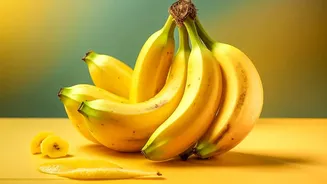
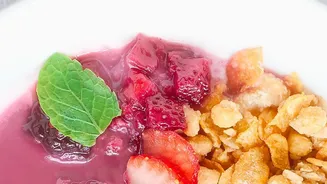
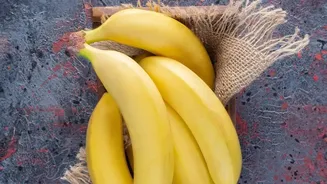
So, what does this look like in practice? The goal is a meal or snack that combines a good source of protein with easily digestible carbohydrates. Aim for around 20-40 grams of protein to maximize muscle repair. Here are a few simple, effective ideas: - Chocolate Milk: Often called nature's recovery drink, it has a great ratio of carbs to protein and is rapidly absorbed. - Greek Yogurt with Berries: Greek yogurt is packed with protein, while berries provide quick-digesting carbs and anti-inflammatory antioxidants. - Chicken Breast with White Rice: A classic bodybuilding meal for a reason. It delivers lean protein and fast-acting carbs to refuel your muscles efficiently. - Smoothie with Whey Protein and a Banana: A smoothie is an excellent option as it's essentially pre-digested, making it very easy on your stomach. A banana adds easily digestible carbs and potassium. - Scrambled Eggs with Toast: Eggs are a powerhouse of high-quality, digestible protein, and toast provides the necessary carbohydrates.