



Kaas Plateau, Maharashtra: A Carpet of Wildflowers
Known as Maharashtra's Valley of Flowers, Kaas Plateau transforms from a barren volcanic plateau into a vibrant tapestry of wildflowers during the monsoon. For photographers, this UNESCO World Heritage Site offers a spectacular canvas for both macro and
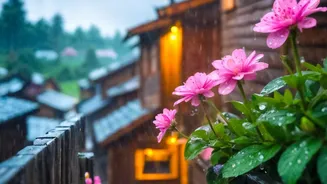
landscape shots. The blooming season, typically from August to early October, sees over 450 species of flowers burst into colour. Imagine capturing tiny droplets on the petals of the pink Smithia, yellow Sonki, or the rare purple Karvi flower, which blooms only once every seven years. The mist that frequently rolls over the plateau adds a soft, dreamy quality to wide-angle shots of the colourful meadows. For the best light and fewer tourists, an early morning start is essential. The soft, diffused light enhances the rich colours of the flowers and the lush surroundings.
Orchha, Madhya Pradesh: Heritage Washed in Green
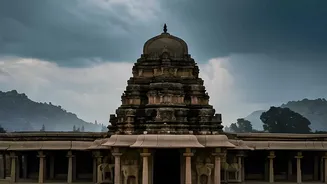
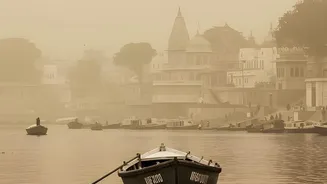
While many flock to the hills, the historical town of Orchha in Madhya Pradesh offers a different kind of monsoon magic. The town's magnificent palaces, temples, and royal cenotaphs (chhatris) stand in stunning contrast to the lush greenery that erupts during the rains. The Betwa River, usually gentle, swells during the monsoon, creating dramatic reflections of the grand structures that line its banks. Photographers can capture the imposing Orchha Fort complex, with its blend of Rajput and Mughal architecture, against dark, cloudy skies. The view from the rooftop of the Chaturbhuj Temple provides a breathtaking panorama of the entire rain-washed town. This destination is perfect for those who love architectural photography and want to tell a story of history intertwined with nature’s seasonal renewal.
Bhandardara, Maharashtra: Waterfalls and Fireflies
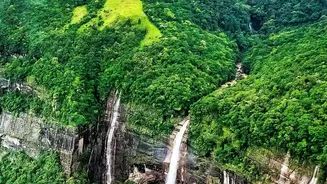
Nestled in the Sahyadri ranges, Bhandardara is a symphony of gushing waterfalls, misty hills, and serene lakes during the monsoon. Photographically, it's a paradise for capturing the raw power of nature. The thunderous Randha Falls and the unique Umbrella Falls, which forms as the Wilson Dam overflows, are prime subjects. But what makes Bhandardara truly unconventional is the pre-monsoon and early monsoon spectacle of fireflies. In late May and June, thousands of fireflies create a natural light show in the forests, offering a magical and challenging opportunity for night photographers. Capturing the trails of these bioluminescent insects against the dark woods requires patience and a tripod, but the resulting images are nothing short of enchanting.
Zanskar Valley, Ladakh: The Unconventional Dry Monsoon
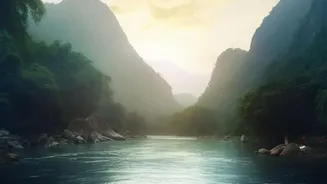
For a truly offbeat monsoon experience, head to Zanskar Valley in Ladakh. Located in a rain-shadow region, Zanskar remains largely dry, offering a dramatic escape from the heavy downpours that drench the rest of the country. This is where photographers can capture the stark, rugged beauty of the Himalayas under clear, dramatic skies. The journey itself is an adventure, with opportunities to photograph remote monasteries perched on cliffs, the stunning turquoise Tsarap River, and the breathtaking Drang-Drung Glacier, India's second-largest glacier. While the rest of India is under cloud cover, Zanskar provides incredible opportunities for astrophotography, with the Milky Way often visible in the clear, high-altitude nights. It's an ideal destination for landscape photographers seeking raw, unspoiled, and tourist-free vistas.