




The All-or-Nothing Food Fight
For years, the term “processed food” has been a villain in the nutrition world. We picture shelves of colourful snacks, sugary drinks, and frozen meals. The problem is, the definition is so broad it becomes almost useless. Technically, any food that has been altered
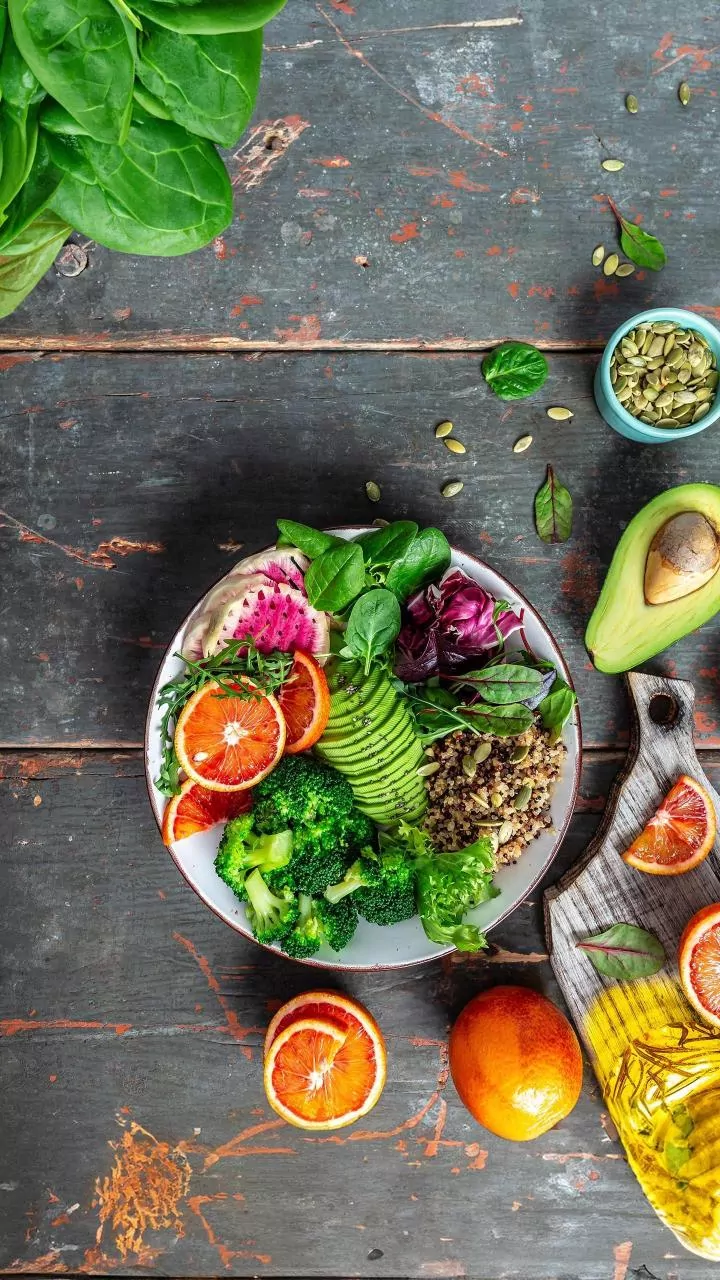
from its natural state is processed. That includes healthy staples like pasteurised milk, canned beans, whole-wheat flour, and even pre-chopped vegetables. This all-or-nothing approach creates confusion and anxiety. If a bag of spinach and a packet of instant noodles both count as 'processed', how can anyone make a sensible choice? This is where the conversation needed to change, moving from a simple good-versus-bad debate to a more sophisticated understanding of what we are actually eating.
A Fresh Look at the Data
A recent large-scale study presented at the NUTRITION 2026 conference is providing that much-needed clarity. Research led by Harvard University, which followed over 200,000 people for decades, found that the overall nutritional quality of a person's diet was a much stronger predictor of long-term health than the level of processing alone. The study suggested that healthy diets lowered the risk of heart disease and diabetes, even if they contained some processed foods. This doesn’t give a green light to all packaged goods. Rather, it shifts the focus from how a food is made to what is in it. According to the researchers, processing itself is not inherently harmful; the issue is that many processed foods happen to be high in sugar, salt, and unhealthy fats. This research encourages us to look past the label of 'processed' and focus on building a diet rich in nutrients, regardless of whether some of those foods come from a package.
Understanding the Processing Spectrum
To better understand this, experts use the NOVA classification system, which divides food into four groups based on their level of processing. Unprocessed or minimally processed foods are things in their natural state, like fresh fruits, vegetables, eggs, and plain milk. Processed culinary ingredients include items like oils, salt, and sugar, which are used in cooking. Processed foods are made by adding these ingredients to whole foods, such as canned fish, cheese, and freshly made bread. They are typically recognisable versions of their original ingredients. The final category, and the one that raises the most health alarms, is ultra-processed foods (UPFs).
The 'Ultra-Processed' Red Flag
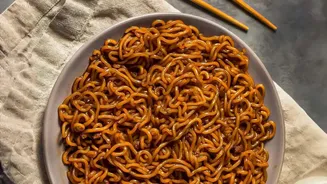
Ultra-processed foods are where the real concern lies. These are not just modified foods; they are industrial formulations made from substances extracted from foods, often with a long list of additives like colours, flavours, and emulsifiers. Think instant noodles, packaged cookies, sugary sodas, and many ready-to-eat meals. These foods are designed to be extremely palatable and convenient, which can lead to overconsumption. Studies have linked high consumption of UPFs to a greater risk of obesity, type 2 diabetes, heart disease, and other chronic conditions. In India, the rapid shift from traditional, home-cooked meals to these convenient, Western-style products is a growing public health concern, with over 96% of households consuming some form of packaged food.
Navigating the Supermarket Aisles
So, how do we use this new context to make better choices? The goal isn't to live a life free of all processing, which is nearly impossible. Instead, it is to reduce our reliance on ultra-processed foods. Start by reading the ingredient list. If it’s long and full of words you don’t recognise, it’s likely a UPF. Choose whole-grain bread over white bread. Opt for plain yogurt and add your own fruit instead of buying a pre-sweetened, flavoured version. Remember that some processed foods are your allies. Canned dals and chickpeas, frozen vegetables, and jars of plain tomato passata are all convenient, minimally processed options that can form the foundation of a quick, healthy meal. It’s about being a conscious consumer, not a perfect one.