




The Rebirth of a Historic Airstrip
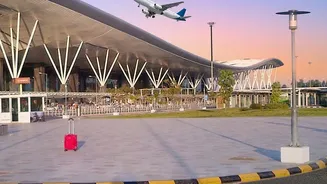
The story of Rupsi's newfound online fame begins with an airport. Not a new one, but a ghost from the past. The Rupsi Airport, a crucial airstrip during World War II, lay dormant for nearly four decades. For generations of locals in Assam's Dhubri district,
it was a relic of history. That all changed in May 2021. Under the government's regional connectivity scheme, UDAN, the historic airstrip was rebuilt and roared back to life, connecting this remote corner of Lower Assam with major cities like Guwahati and Kolkata. This revival was a monumental event for the region, promising economic growth and, many hoped, a golden age for tourism. The launch generated significant media coverage and local excitement, putting 'Rupsi' on the digital map for the first time in the modern era.
Decoding the Digital Footprint
Following the airport's inauguration, search engines saw a spike in queries related to 'Rupsi'. On the surface, this data might suggest a burgeoning tourist destination capturing the nation's imagination. However, a closer look reveals a different story. The bulk of the search interest is functional, not aspirational. People are searching for flight schedules, ticket prices, airport facilities, and news about its operational status. For the many people hailing from the districts of Dhubri, Kokrajhar, Bongaigaon, and even neighbouring states, the airport is a practical gateway, a vital piece of infrastructure that makes travel for work, education, and family possible. The search data reflects the excitement around new-found connectivity rather than a planned holiday. It's the digital footprint of a community embracing a long-awaited utility, not necessarily an army of tourists packing their bags for a scenic vacation.
The Reality on the Ground
While the airport stands as a modern success story, the broader tourism ecosystem in the region is still in its nascent stages. An airport can fly people in, but it cannot single-handedly create a travel destination. The journey from the landing strip to a memorable holiday experience requires a network of hotels, reliable local transport, trained guides, and well-maintained attractions. Officials and news reports have highlighted the airport's potential to boost tourism, but there is little evidence to suggest a massive influx has already occurred. The infrastructure to support a sudden tourism boom — from luxury resorts to budget-friendly guesthouses — is not yet established. Local stakeholders acknowledge that while the potential is immense, significant work is needed to build the capacity to host a large volume of travellers. The current reality is that Rupsi is an area of high potential, not yet a high-traffic tourist hub.
A Treasure Trove Awaiting Discovery
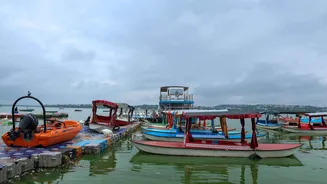
The irony is that the region surrounding Rupsi is rich with attractions. The Chakrasila Wildlife Sanctuary, just a short drive away, is home to the endangered Golden Langur and is a biodiversity hotspot that would appeal to any nature lover. The mighty Brahmaputra river offers stunning landscapes and opportunities for riverine tourism. Dhubri town itself is a melting pot of cultures with historical sites, including those significant to Sikh heritage. However, many of these gems remain largely unpolished from a tourism perspective. They lack the marketing, accessibility, and amenities that modern travellers have come to expect. The potential is undeniable, but it needs to be curated and presented to the world. The airport has opened the door; now the region must build the 'room' that visitors will want to enter and explore.