


From the Halwai's Counter to the Boutique Box
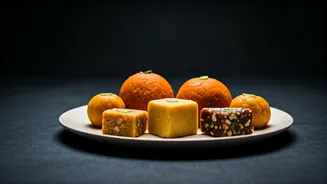
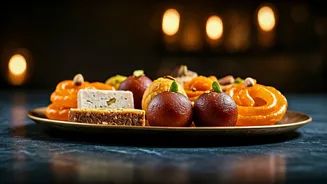
A quiet but delicious revolution is underway. The sweets we grew up with—the glistening jalebis, the dense pedas, the fragrant laddoos—are evolving. While the neighbourhood halwai remains a beloved institution, a new category of Indian dessert has emerged:
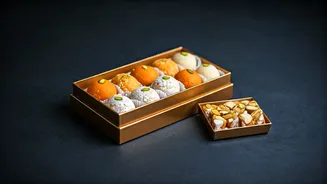
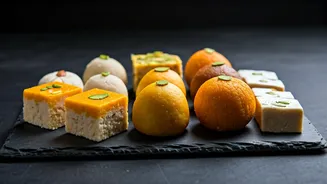
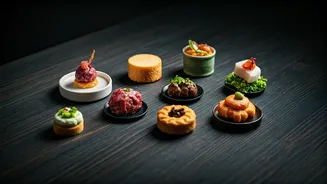
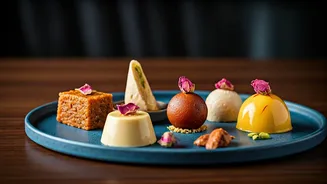
artisanal, elegant, and unapologetically premium. Brands like Bombay Sweet Shop, Arq, and Khoya are at the forefront, reimagining what mithai can be. They are swapping bulk trays for beautifully designed, eco-friendly gift boxes and transforming the sweets themselves into miniature works of art, complete with delicate garnishes and refined finishes. This isn't about replacing tradition, but propelling it into the 21st century with a fresh sense of style and confidence.
The Anatomy of a Modern Mithai
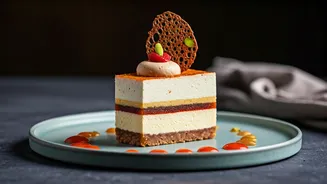
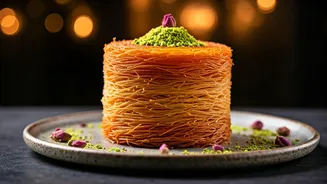
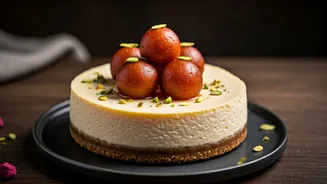
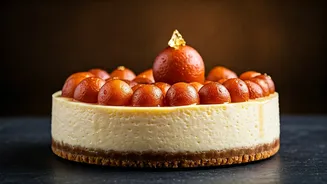
What defines this new wave of Indian desserts? It’s a philosophy built on three pillars: ingredients, technique, and presentation. The focus is on quality above all else. Artisans are using organic, ethically-sourced local produce, high-quality nuts, and even single-origin ingredients to build complex flavour profiles. You might find a traditional barfi infused with coffee or a laddoo made with caramel. French pastry techniques are being married with Indian flavours, resulting in creations like Gulab Jamun Churros or Rasmalai Tiramisu. The final touch is the aesthetic. Minimalist, elegant, and often 'Instagrammable', the presentation is as crucial as the taste, designed to create a complete sensory experience that feels both luxurious and thoughtful.
The Artisans Redefining Sweetness
This movement is being led by a new generation of chefs and entrepreneurs who are passionate about celebrating their heritage. Brands like the Bombay Sweet Shop in Mumbai, founded by the team behind acclaimed restaurants like The Bombay Canteen, explicitly aim to make Indian sweets exciting for a modern palate by using contemporary ingredients and a touch of nostalgia. Delhi-based Arq, co-founded by Neha and Ashay, focuses on artisanal mithai made with natural flavours and no artificial additives, presented in stunning, eco-friendly packaging. Similarly, Khoya was started to fill a market gap for a high-quality mithai brand that people could be proud of, focusing on better ingredients and eschewing artificial colours and flavours to evoke a sense of nostalgia for how sweets used to taste. These creators aren't just making desserts; they are curating experiences and becoming the new-age mithaiwalas for a generation that craves both authenticity and innovation.
A Story of Culture, Confidence, and Commerce
Why is this happening now? The trend is a reflection of a broader cultural shift within India. A rising affluent class, coupled with a globally connected diaspora, has created a market for premium, homegrown products. There's a renewed sense of cultural confidence, where innovation is seen as a tribute to tradition, not a departure from it. Young, discerning consumers are looking for unique experiences that blend the familiar with the novel. Chefs are no longer afraid to experiment, blending Indian flavours with global techniques learned from culinary schools abroad. This creative freedom has allowed them to deconstruct classic recipes and rebuild them in ways that are surprising yet comforting, perfectly suited for a generation that documents its life through visually appealing food.
Is It Fusion or the Future?
The inevitable question arises: is a coffee-infused peda still a peda? While some purists may argue that these creations are 'fusion', the chefs behind them see it as a natural evolution. The goal isn't to erase the soul of the dessert but to enhance it. Sameer Seth of Bombay Sweet Shop notes that the most crucial element is that the creation must taste delicious and either remind you of the original's form or its flavour. Chef Pratik Kuckreja, another innovator in the space, speaks of reinterpreting the core flavour and emotion of a mithai within a refined structure, not just combining elements for novelty's sake. This thoughtful approach ensures that even as the form changes, the essence—the nostalgia, the joy, the celebratory spirit of Indian mithai—remains intact.