







In an age of instant updates and cloud computing, it might be surprising to learn that parts of the U.S. air traffic control system have been running on technology from the 1980s. Now, that’s finally changing for the better.
Out With the Old Tech
For decades, the people guiding
planes through the sky have relied on a patchwork of legacy systems to get critical flight information. In some cases, this technology was so old it still used floppy disks to store and distribute data. These separate systems, with names like the En Route Information Display System and Information Display System 4, provided vital updates on weather, equipment status, and airspace restrictions. However, their age made them difficult to maintain and inefficient, forcing controllers to consult multiple screens and engage in manual processes to get a complete picture of the airspace. The fragility of this aging infrastructure was starkly highlighted in January 2023, when an outage in the Notice to Airmen (NOTAM) system led to a nationwide grounding of flights, showcasing an urgent need for modernization.
Introducing a Unified Platform
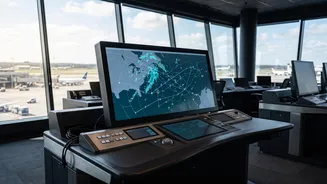
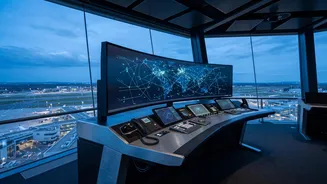
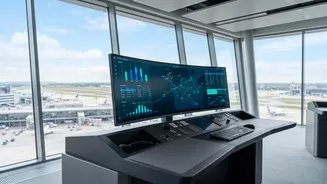
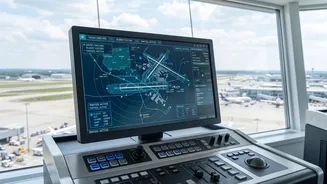
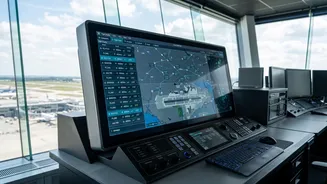
In early November 2026, the Federal Aviation Administration (FAA) announced a major step forward: the rollout of the Enterprise Information Display System, or E-IDS. This new platform consolidates the four separate legacy systems into a single, streamlined digital display for air traffic controllers. Instead of jumping between different monitors, controllers can now see real-time weather data, operational alerts, pilot reports, and airspace restrictions all in one place. According to U.S. Transportation Secretary Sean P. Duffy, the move signals a clear transition: 'floppy disks are out, 21st century tech is in'. This upgrade is part of a wider push to modernize the National Airspace System, which also includes the new cloud-based NOTAM Management Service (NMS) designed to prevent future system-wide failures.
What This Means for Air Traffic Controllers
For the thousands of air traffic controllers who manage the world's busiest airspace, the change is significant. The E-IDS provides faster, more consistent access to information, which is critical for making timely decisions that ensure safety. The system improves how vital updates, like pilot reports on turbulence or sudden weather changes, are collected and shared across the network. By replacing manual processes and reducing the need to monitor multiple outdated displays, the new platform enhances situational awareness, allowing controllers to focus more on managing air traffic safely and efficiently. This streamlined workflow reduces the risk of error and costly equipment workarounds, creating a more resilient and reliable air traffic control environment.
Safer Skies and Smoother Flights for Passengers
While passengers will never directly interact with the E-IDS, the benefits will be tangible. The core purpose of this modernization is to enhance the safety and reliability of the entire air travel system. With controllers and pilots receiving better, more integrated real-time information about weather, turbulence, and airport conditions, they can make proactive decisions to avoid delays and provide a smoother ride. A more resilient system is also less prone to the kind of catastrophic failures that cause nationwide ground stops, meaning fewer widespread cancellations and disruptions for travelers. Ultimately, this behind-the-scenes upgrade provides a stronger, more dependable foundation for every flight in the U.S. airspace.
The Rollout Plan
This massive technological overhaul won't happen overnight. The FAA began deploying the E_IDS at five initial sites in November 2026, including the international airports in Atlantic City, Nashville, and Rochester, along with two data processing hubs. The plan is to continue installing the system across the country, with a target of upgrading 435 facilities by the end of 2028. This accelerated timeline is part of a broader, multi_billion dollar initiative to bring the nation's air traffic control infrastructure into the modern era, ensuring it can handle the demands of 21st_century aviation for years to come.