



The Problem with Pooling Water
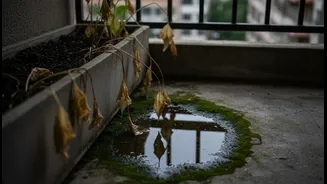
A balcony corner seems harmless, but it can be a microclimate of its own. These areas often receive less sunlight and have poor air circulation, especially on smaller or enclosed balconies. When water from rain or over-watering collects, these corners
don't dry out as quickly as the rest of the space. This creates a perpetually damp environment. Balconies are non-porous surfaces, meaning water has nowhere to go but to evaporate or drain away. If drainage is poor or pots are sitting flat on the surface, water pools, creating a stagnant, low-oxygen zone right where your plants live.
From Wet Feet to Full-Blown Rot
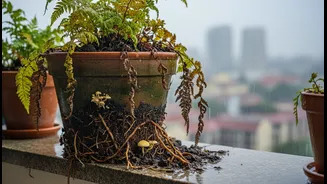
The most immediate victim of a wet corner is a plant's root system. When soil stays waterlogged, air pockets that supply roots with vital oxygen are displaced by water. This effectively suffocates the roots, preventing them from absorbing water and nutrients, even though they are sitting in moisture. This oxygen-deprived environment is the perfect breeding ground for fungi and bacteria that cause root rot. Healthy roots, which are typically white and firm, turn brown or black, mushy, and may emit a foul, swampy odour. Once root rot takes hold, it can spread quickly, destroying the entire root system and killing the plant.
Spotting the Danger Signs Early
The initial signs of trouble often mimic underwatering, leading many gardeners to water even more. A key symptom of root rot is a plant that looks wilted and thirsty while the soil is still damp. Other telltale signs include yellowing lower leaves, stunted or slow growth, and leaf drop. You might also notice fungus gnats, which are attracted to persistently moist soil, or even visible mould or algae growing on the surface of the soil or the pot itself. If you suspect a problem, the best way to confirm is to gently remove the plant from its pot and inspect the roots directly.
Simple Fixes for Better Drainage
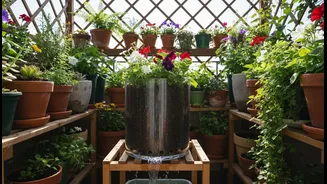
Prevention is the best cure. The goal is to ensure water can escape freely and air can circulate around your pots. Start by using pots with plenty of drainage holes. Elevating containers, even slightly, makes a huge difference. Use pot feet, risers, or even repurposed bottle caps to lift your pots off the ground, allowing air to move underneath and water to drain away completely. Avoid leaving pots sitting in saucers full of water; empty them after every watering. It's also a myth that adding a layer of gravel to the bottom of a pot improves drainage; it actually raises the water table and keeps roots wetter, so stick to a quality, well-draining potting mix instead.
Rescue and Recovery for Damaged Plants
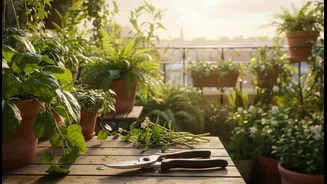
If you've caught root rot, quick action can save your plant. Gently remove the plant from its pot and wash the soil from its roots. Using a sterile pair of scissors or shears, carefully trim away all the brown, mushy, and smelly roots, leaving only the healthy, firm, white ones. It may be necessary to remove a significant portion of the root system. Afterwards, repot the plant in a clean container with fresh, sterile, well-draining potting mix. Water sparingly until the plant shows signs of new growth, as it has a much smaller root system to support it. Moving it to a spot with better airflow and morning sun can also aid its recovery.