





Why Wall Sits Are a Powerhouse Exercise
A wall sit is a simple isometric exercise where you hold a squat position with your back supported by a wall. [2, 8] It’s a static hold, meaning your muscles are contracting without changing length, which is fantastic for building muscular endurance.
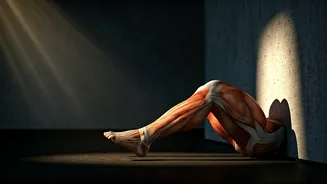
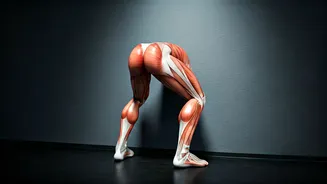
[2, 5, 12] Despite its simplicity, it’s incredibly effective, engaging multiple muscle groups at once. [1, 5] The primary benefit is building strength in the lower body, particularly the quadriceps, glutes, hamstrings, and calves. [2, 3, 5] But it doesn't stop there; wall sits also require you to engage your core for stability, promoting better posture and balance. [3, 5] Because it’s a low-impact exercise with no movement in the joints during the hold, it’s often considered a knee-friendly alternative to squats, strengthening the muscles that support the knee joint. [2, 12]
Your Step-by-Step Guide to the Perfect Wall Sit
Proper form is crucial to maximise benefits and prevent injury. Stand with your back flat against a sturdy wall. Walk your feet forward about two feet, keeping them shoulder-width apart. [2] Slowly slide your back down the wall until your hips and knees form a 90-degree angle, as if you're sitting in an invisible chair. [8] Your thighs should be parallel to the floor. [6] Check your alignment: your knees should be directly above your ankles, not extending past your toes. [8, 10] Keep your back, shoulders, and head pressed against the wall, and engage your core by pulling your belly button toward your spine. [1, 6, 11] Distribute your weight evenly through your feet, pushing through your heels. [1, 6] Hold this position, breathing steadily. Start with a 20-30 second hold and gradually increase the time as you get stronger. [3, 12] To finish, push through your heels to slide back up the wall to a standing position. [2]
Common Mistakes to Avoid
Even simple exercises have common pitfalls. One frequent error is not sinking low enough, which makes the exercise less effective because the legs don't have to work as hard. [2, 6] Your goal should be to get your thighs parallel to the ground. [6] Another mistake is incorrect foot placement, such as having your feet too close to the wall, which causes your knees to travel past your toes and places unnecessary stress on the knee joints. [2, 6] Conversely, having your feet too far out can also cause issues. Aim to keep your shins vertical. [6] Also, watch for your back arching or your shoulders rounding forward; maintain contact with the wall from your head to your lower back. [1, 2] A final temptation is to rest your hands on your thighs. Avoid this, as it takes the tension off your legs and cheats you of the full benefit. [1]
Progressing Your Wall Sit
Once you've mastered the basic wall sit, you can add variations to increase the challenge. For a tougher lower-body workout, try a single-leg wall sit by extending one leg straight out in front of you while holding the position. [1, 7, 14] You can also add weights. Hold dumbbells at your sides for a simple progression, or place a weight plate on your thighs for more direct resistance. [1, 12] Incorporating upper-body movements is another great way to make the exercise a full-body challenge. While holding the wall sit, you can perform bicep curls, overhead presses, or lateral raises with dumbbells. [3, 14, 17] Another advanced option is to perform a marching motion by alternately lifting each foot slightly off the ground, which challenges your core stability and leg strength simultaneously. [3, 4]
Integrating Wall Sits into Your Routine
Thanks to their simplicity and the fact they require no equipment, wall sits can be done almost anywhere. [3, 13] To build strength and endurance, aim to perform them two to three times per week. [3] A good starting point is to perform three sets, holding each for 30 to 60 seconds. [12] As you get stronger, you can increase the duration of the hold. [3] Wall sits can be a great addition to a leg-day workout, used as a finisher to burn out the muscles, or incorporated into a circuit. They also serve as an excellent standalone exercise you can do during a break at work or at home, offering a quick and effective way to activate your lower body and core. [3]