





A Domestic Travel Boom
India's tourism sector is experiencing a remarkable surge, driven overwhelmingly by domestic travellers. In 2025 alone, domestic tourist visits soared to an astounding 4.29 billion, nearly double the pre-pandemic peak, while domestic visitor spending
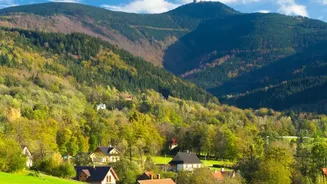
grew by over 10% year-on-year. This massive internal movement is reshaping the industry. While international tourism is recovering, it's the passion of Indian travellers to explore their own country that is fuelling the current expansion. This boom is not just about numbers; it reflects a change in mindset. There is a growing desire for meaningful journeys, leading people to seek out the heart and soul of India far from the traditional tourist circuits.
The Quest for Authenticity
So, what's driving this move towards smaller destinations? Post-pandemic, there's a clear trend towards seeking authentic and immersive cultural experiences. Many travellers are looking to escape the hustle and connect with nature, local traditions, and a slower pace of life. The rise of remote work has also enabled 'workations' and longer trips, making previously inaccessible areas more appealing. Furthermore, government initiatives like Swadesh Darshan and the Vibrant Village Programme are playing a crucial role by improving connectivity and infrastructure in underdeveloped regions, from border villages in Arunachal Pradesh to pilgrimage sites across the country. This improved access, combined with a traveller's desire for unique stories, is putting countless new places on the map.
The Rise of the Homestay
At the heart of this transformation is the humble homestay. Offering more than just a room, homestays provide a genuine connection to the local culture and way of life. This model has become a powerful engine for local economies, especially in rural areas. Revenue from homestays flows directly to families, empowering local communities and particularly women, who often manage these establishments. The growth is explosive; in some recent periods, the increase in homestays has significantly outpaced that of traditional hotels. By providing authentic local food and experiences, homestay owners are not just offering accommodation; they are becoming cultural ambassadors, giving travellers a reason to stay longer and spend more within the community.
New Stars on the Tourism Horizon
This trend is creating a new galaxy of travel hotspots. States are actively promoting rural tourism, with Uttar Pradesh identifying over 200 villages to develop as tourism hubs and supporting the creation of hundreds of farm stays and homestays. In the Northeast, improved accessibility is opening up markets in places like Meghalaya and Arunachal Pradesh, which offer incredible natural beauty and unique cultural encounters. From developing lesser-known destinations in Bihar and Goa to promoting adventure tourism in Madhya Pradesh, the central government has sanctioned projects worth over INR 3,295 crore to develop dozens of new iconic sites, aiming to distribute tourist traffic more evenly and boost local economies.
A Sustainable Path Forward
This decentralisation of tourism holds immense promise. It helps curb migration from villages to cities by creating viable local employment in hospitality, guiding, transport, and handicrafts. The economic impact is significant; for every one unit of output from the homestay sector, the local agricultural sector's output increases by 0.42 units, showing a strong link to the rural economy. However, this growth must be managed sustainably. The focus of new government schemes like Swadesh Darshan 2.0 is on responsible and eco-friendly tourism. For this boom to be a long-term success, the goal is not just to attract more visitors, but to do so in a way that preserves the very culture and nature that make these smaller destinations so special.