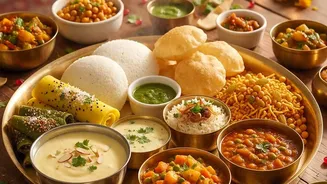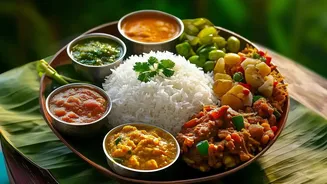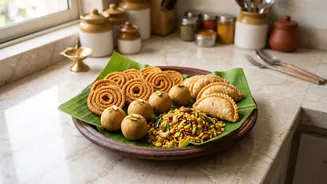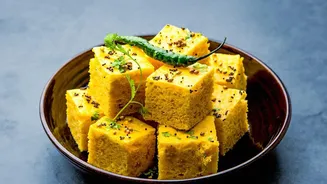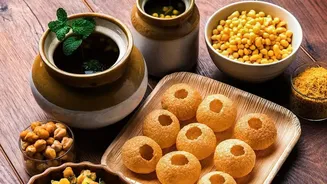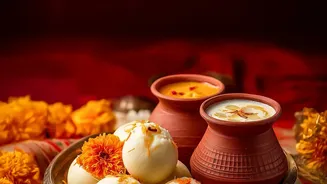

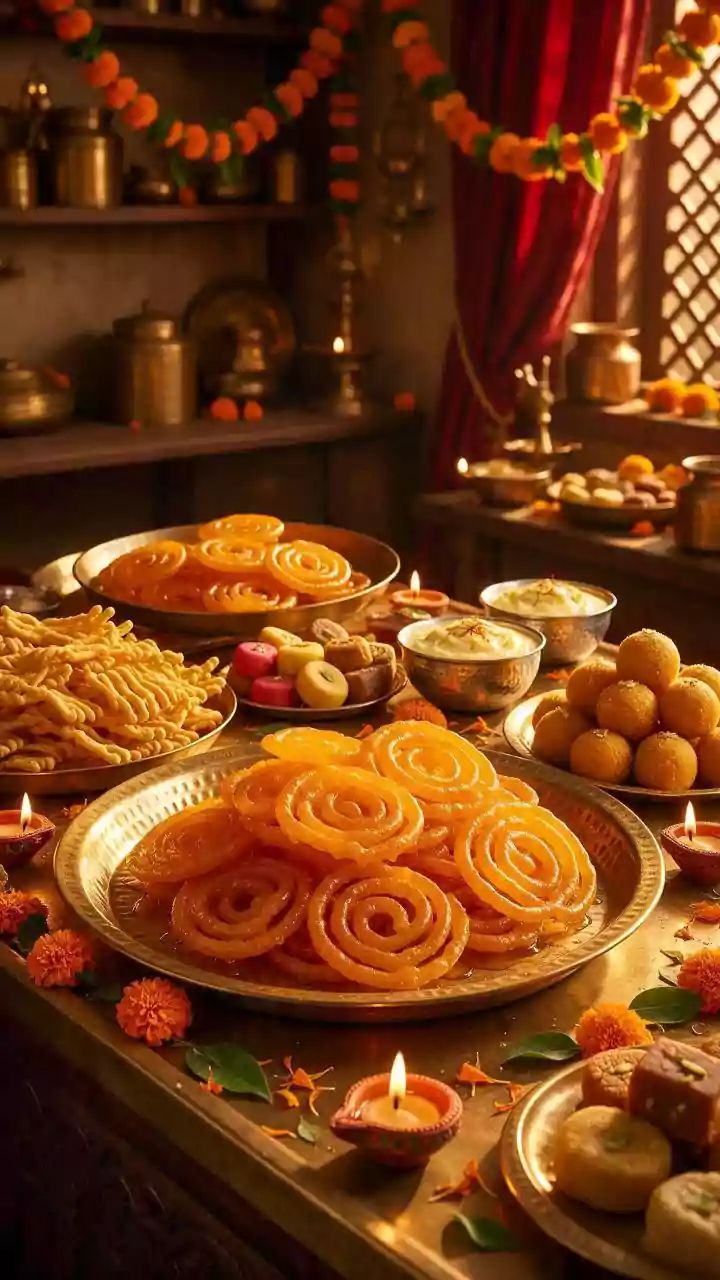


The quintessential urban Indian breakfast is undergoing a quiet revolution. Once dominated by toast, eggs, or a handful of pan-Indian staples, city menus are now celebrating the nation's true culinary diversity, one plate at a time.
The Dawn of a New Breakfast Menu
Walk into a popular
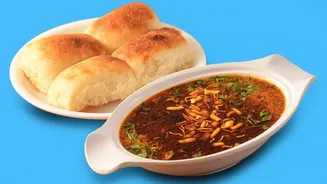
cafe in Bengaluru, Mumbai, or Delhi, and you will notice a significant change. Alongside cappuccinos and croissants, you are now just as likely to find a plate of fluffy poha from Maharashtra, spicy misal pav from Pune, or delicate appams from Kerala. For years, regional cuisines were largely confined to home kitchens or speciality restaurants catering to a specific community. Today, these dishes are taking centre stage in mainstream urban eateries, signalling a broader cultural shift. From hole-in-the-wall joints to trendy bistros, chefs are embracing recipes that reflect the authentic tastes of various Indian states, moving beyond the standard North Indian or generalised 'South Indian' fare.
A Craving for Authenticity and Connection
So, what's driving this change? A major factor is a growing desire among urban Indians, especially millennials and Gen Z, for authenticity. In a globalised world, there is a powerful pull towards culinary experiences that feel real and rooted in heritage. For the vast migrant population in major cities, a plate of their home state's breakfast is more than just food; it's a comforting taste of home and identity. Simultaneously, diners are more adventurous than ever, eager to explore the cultures of other regions through their food. This curiosity is transforming local dishes from niche specialities into celebrated highlights on city-wide menus.
The Modern Appeal of Traditional Health
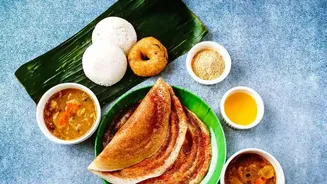
The wellness movement has also played a crucial role. Many traditional Indian breakfasts are inherently healthy, offering a balanced mix of complex carbohydrates, proteins, and fibre. Dishes like idli, which is steamed and made from a fermented batter, are light and easy to digest, providing probiotics that aid gut health. Poha is a light yet energising option often packed with vegetables, while moong dal chilla offers a protein-rich, plant-based start to the day. In an age where consumers are increasingly wary of processed cereals and sugary options, these time-tested recipes feel both nourishing and wise, aligning perfectly with modern health goals.
Social Media's Visual Feast
You cannot discuss modern food trends without mentioning social media. Platforms like Instagram have become visual search engines for food, turning diners into culinary explorers. A vibrant picture of a beautifully garnished plate of Indori poha or a video of spicy 'tarri' being poured over misal can generate immense curiosity and desire. Food bloggers and influencers have amplified this effect, bringing lesser-known regional gems to a national audience. This digital word-of_mouth has created a demand that restaurants are eager to meet, understanding that a visually appealing, authentic dish is also a highly shareable one.
The Smart Economics of Specialisation
This shift also makes good business sense. Instead of competing in the crowded multi-'cuisine space,' smaller cafes and restaurants can carve out a unique identity by specialising in regional fare. Offering a high-'quality,' authentic breakfast menu allows them to stand out and build a loyal following. These dishes often use locally sourced,' affordable ingredients,' and the expertise required to perfect them becomes a valuable asset. This specialisation fosters a more diverse and dynamic food scene,' where success is driven by quality and authenticity rather than scale alone.