




The Monsoon Challenge for Potted Plants
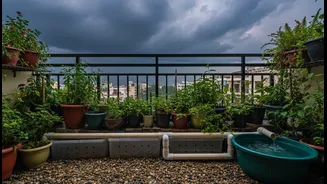
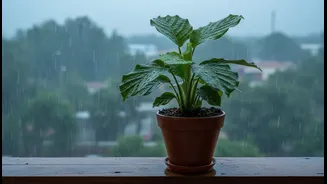
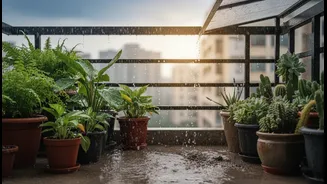
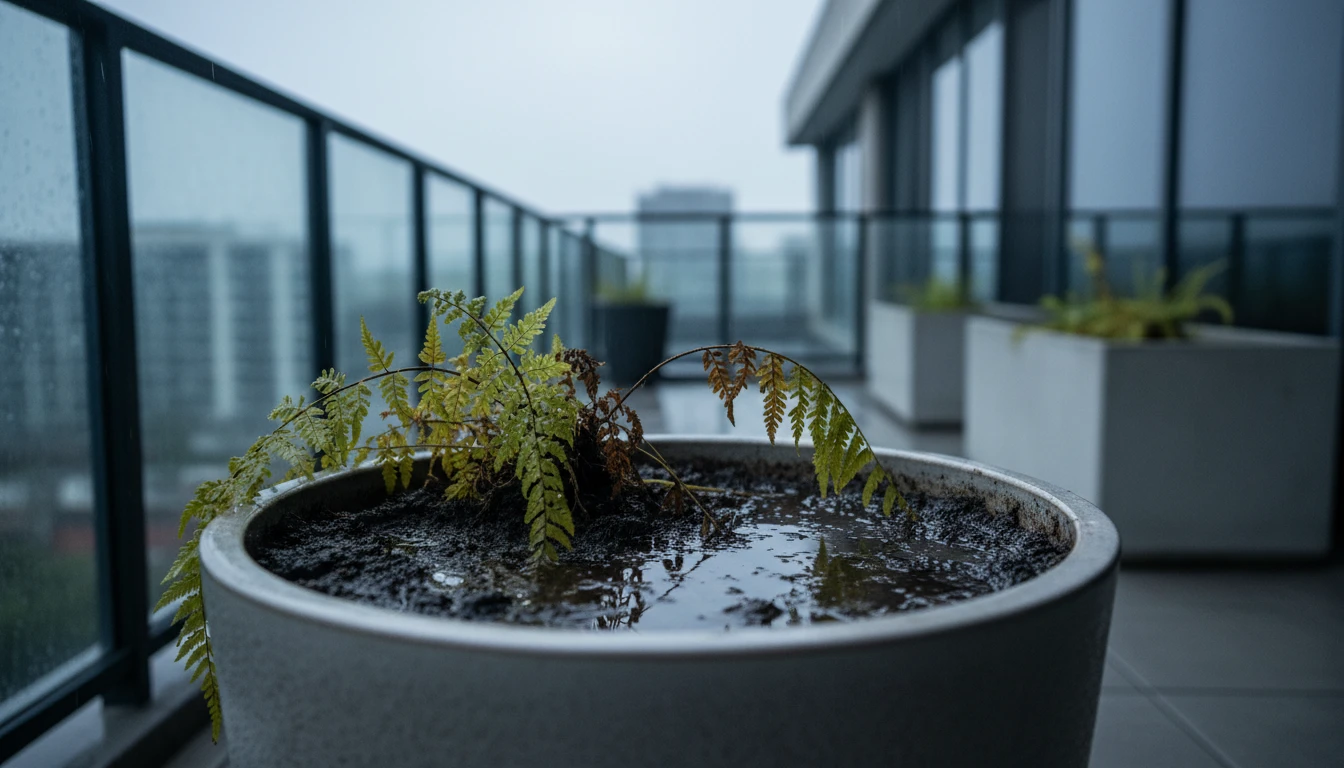
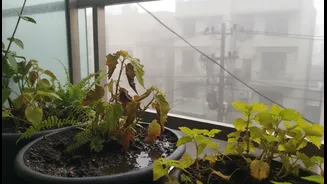
While monsoon rains are a blessing, they pose a significant threat to container gardens. Unlike plants in the ground, balcony plants are confined to pots, making them highly vulnerable to overwatering. When rain is relentless, the soil becomes saturated,
pushing out the oxygen that roots need to breathe. This condition, known as waterlogging, is the primary cause of root rot, a fungal disease that can quickly kill even the hardiest plants. Signs of trouble include yellowing leaves, mushy stems, and a foul smell from the soil, indicating that the roots are suffocating and starting to decay.
Why Good Drainage is Non-Negotiable
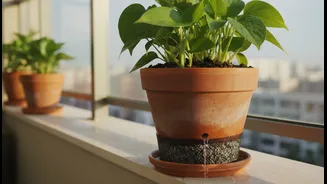
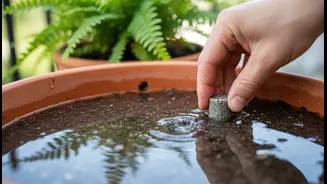
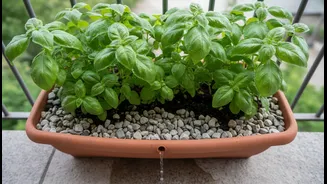
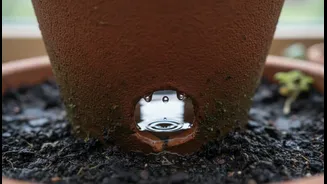
Proper drainage is the single most important factor for surviving the rainy season. The goal is to allow excess water to escape freely and quickly, preventing the soil from becoming a soggy mess. Many gardeners assume that a pot with a hole in the bottom is enough, but during the monsoon, this is often not the case. If a pot sits flat on the balcony floor, water that exits can form a puddle underneath, effectively sealing the drainage hole and allowing moisture to be reabsorbed. This creates a constantly wet environment at the base of the pot, exactly where roots are most sensitive. Effective drainage ensures water moves through and away from the pot, keeping roots healthy.
Start with the Right Foundation
Before you even think about complex setups, success starts with your soil and pots. Regular garden soil is too dense for containers; it compacts easily and retains too much water. Instead, use a well-aerated potting mix. You can create a low-cost version by combining garden soil with compost for nutrients, and sand or coco peat to improve lightness and drainage. Coco peat is excellent as it helps retain moisture during dry spells but also provides structure to prevent waterlogging. Ensure every pot has clear drainage holes; if they are too small, you can carefully widen them with a drill.
Low-Cost DIY Drainage Hacks
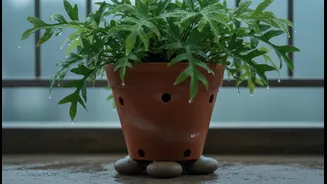
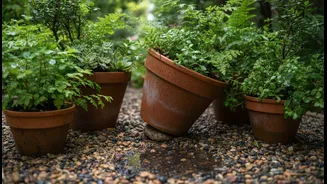
You don’t need expensive equipment to create an effective drainage system. The key is to elevate your pots. Lifting them even slightly allows air to circulate underneath and water to escape. You can use bottle caps, flat stones, or small pieces of broken tile to create simple ‘pot feet’. For a more comprehensive solution, place several pots on a wooden pallet or a simple DIY rack made from bricks and planks. This elevates them from any standing water on the balcony floor. Also, check your saucer trays regularly; during the monsoon, it's best to empty them immediately after a downpour or remove them altogether to prevent plants from sitting in water.
More Than Just Drainage
A good drainage setup is your primary defence, but a few other habits can help your garden thrive. First, stop watering manually unless you are certain a plant is dry. Check the soil by inserting a finger a few inches deep; if it feels damp, leave it alone. High humidity also encourages fungal growth, so ensure there is good air circulation between your plants by not overcrowding them. A preventative spray of neem oil solution every couple of weeks can help keep pests and fungal issues at bay. Finally, consider moving particularly delicate plants to a more sheltered spot during periods of extremely heavy rain.