

The Misleading Myth of 'Zero Gravity'
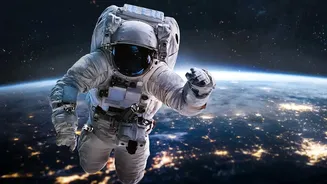
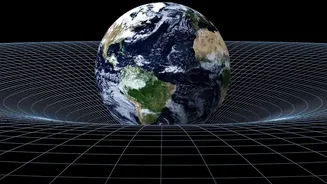
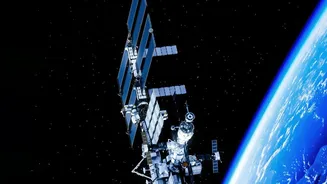
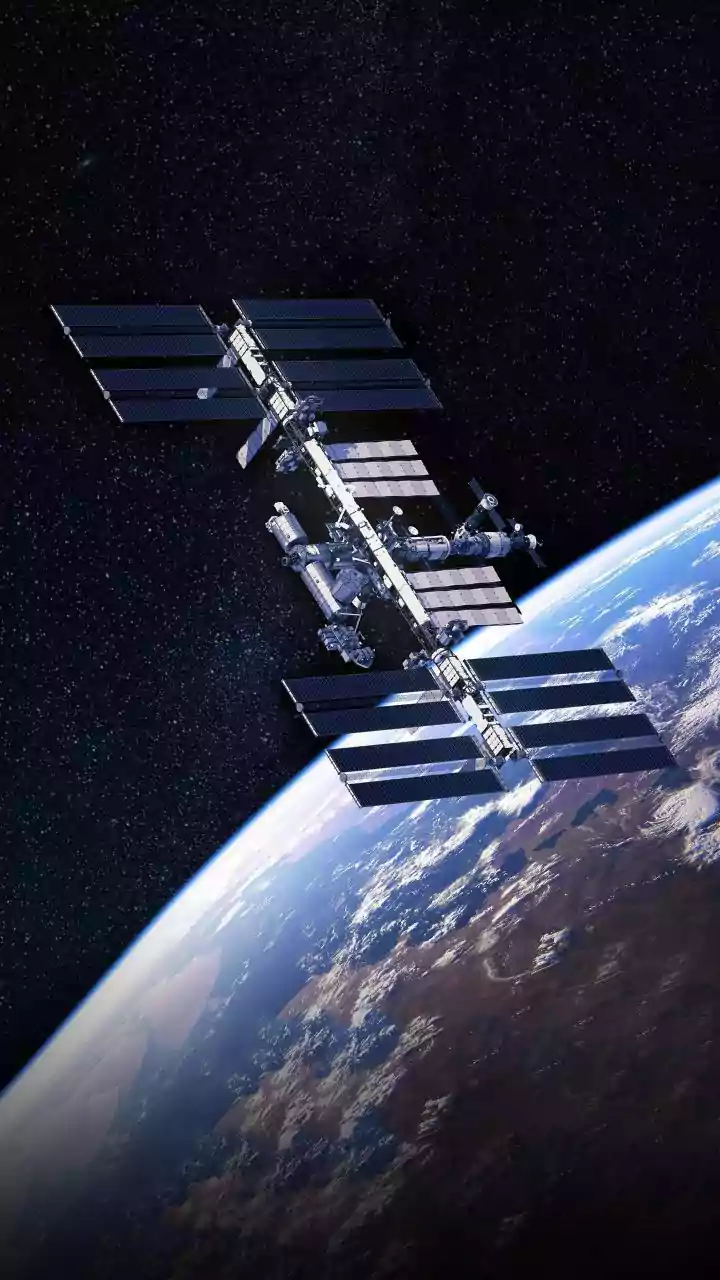
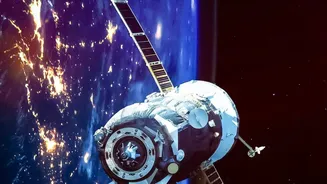
First, let's get a major misconception out of the way. There is no such thing as 'zero gravity' in Earth's orbit. In fact, at the altitude of the International Space Station—about 250 miles up—Earth's gravitational pull is still about 90% as strong as it is on the surface.
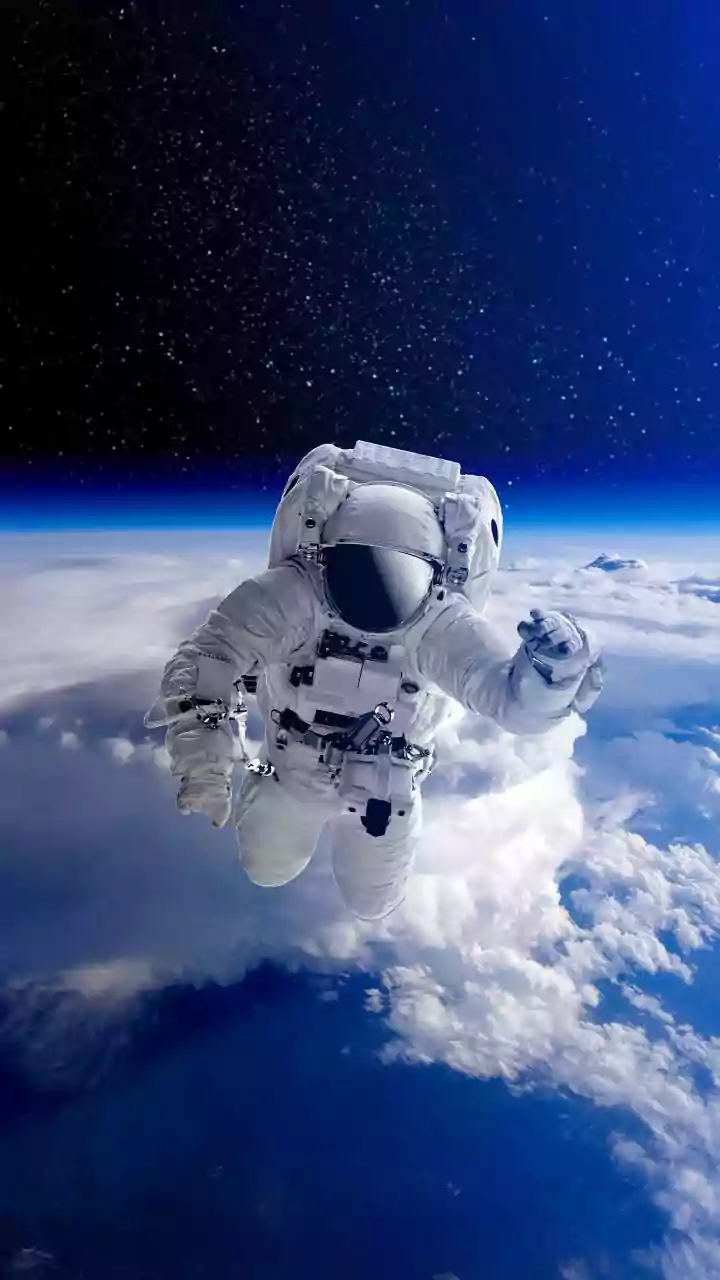
If you could somehow build a tower that high and stand on it, you would feel only slightly lighter than you do right now. Gravity is what keeps the moon tethered to the Earth and the Earth to the sun; it certainly doesn’t just stop a few hundred miles up. So, if gravity is still firmly in charge, why do astronauts float? The answer has less to do with the strength of gravity and everything to do with motion.
It's Not Floating, It's Falling
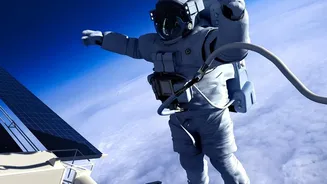
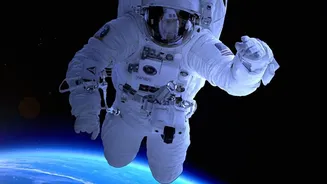
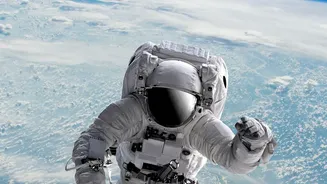
The sensation of weightlessness that astronauts experience is more accurately described as being in a constant state of freefall. To understand this, imagine you're in an elevator and the cable snaps. For the few terrifying seconds before the emergency brakes kick in, both you and the elevator car are falling toward the ground at the exact same rate. If you were to let go of your phone during that fall, it wouldn't drop to the floor of the elevator; it would simply hover in front of you, seemingly weightless. You, your phone, and the elevator are all falling together. This is precisely what is happening on the ISS, just on a much grander and more sustained scale. The station, the astronauts, and every piece of equipment inside are all continuously falling toward Earth under the force of gravity.
The Secret: Falling and Missing
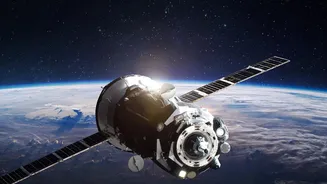
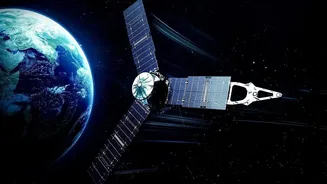
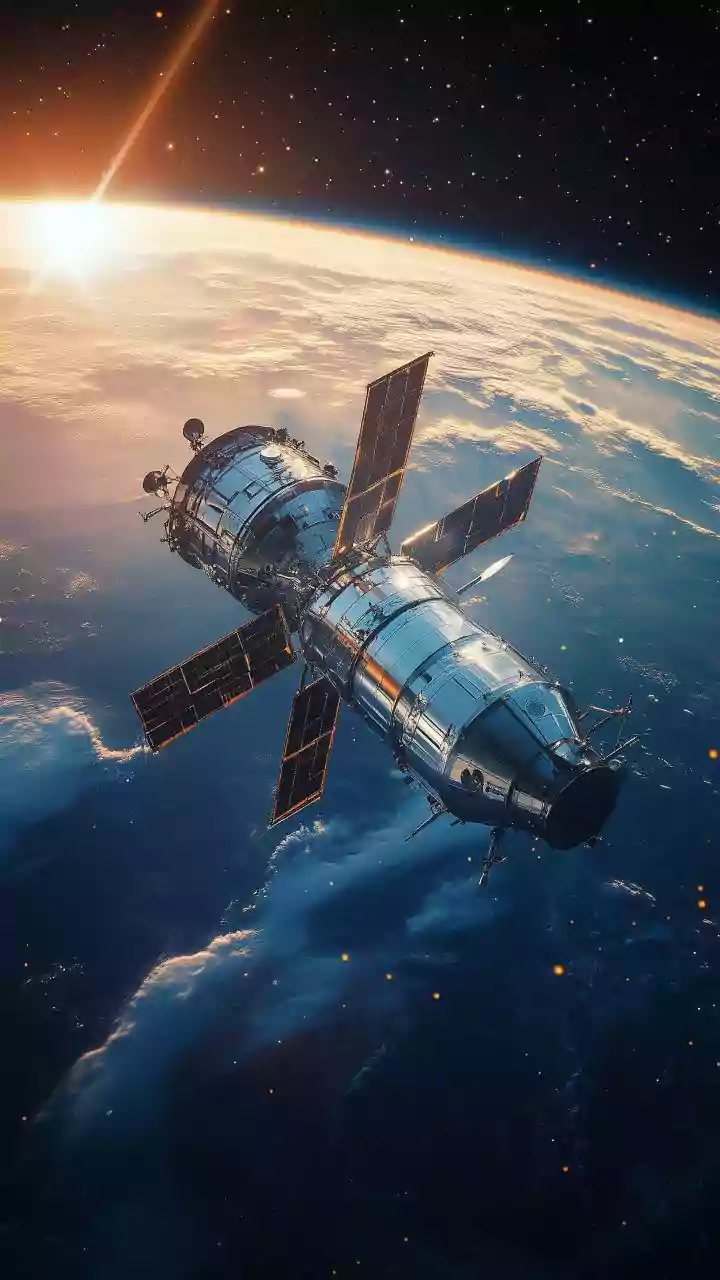
So why doesn't the ISS crash into the planet? This is where high-speed orbital motion comes in. To achieve orbit, a spacecraft must be launched not just up, but sideways at an incredible speed. The ISS, for example, travels at roughly 17,500 miles per hour. At that velocity, as the station is pulled down by gravity, the Earth's surface curves away beneath it at the same rate. Isaac Newton imagined this with a thought experiment: picture a cannon on a very tall mountain. If you fire a cannonball with a little gunpowder, it travels a short distance before gravity pulls it to the ground. Fire it with more gunpowder, and it travels farther. But if you could fire it with enough speed, the cannonball would travel so far, so fast, that as it fell, the Earth would curve away beneath it. It would continuously fall, but never land. It would be in orbit. This is the essence of what keeps the ISS and its crew in a perpetual dance of falling toward Earth but always moving fast enough sideways to miss.
Why It's 'Microgravity,' Not 'Zero'
While 'weightlessness' and 'zero-g' are common terms, scientists prefer 'microgravity.' This is because the environment isn't perfectly free of forces. Tiny factors, like atmospheric drag on the station, vibrations from machinery, or even the movement of astronauts, create minuscule accelerations. Additionally, there are tidal forces; the part of the station closer to Earth is pulled slightly more strongly by gravity than the part farther away. These residual forces are incredibly small, on the order of one-millionth of Earth's surface gravity (hence 'micro'), but they prevent the environment from being one of true, absolute zero gravity. Still, this near-weightless state is what allows for groundbreaking research, from growing perfect crystals for medicine to understanding how the human body adapts to long-duration spaceflight.