




A startling new study has raised serious concerns for people with type 2 diabetes. The findings suggest stopping a specific class of medication could nearly double the risk of a major cardiovascular event like a heart attack or stroke.
Breaking Down the Alarming Findings
A large-scale study
published in The Lancet Regional Health Europe has highlighted a significant risk for type 2 diabetes patients who discontinue their medication. Researchers analyzed the health records of over 80,000 people in Italy and found that those who stopped taking GLP-1 receptor agonists faced approximately double the combined risk of a non-fatal heart attack, non-fatal stroke, or death from any cause compared to patients who continued the treatment. To put it in perspective, the rate of these events was roughly four per 100 people each year among those who stopped, versus two per 100 people among those who stayed on the medication. Experts clarify that this does not mean the drug is dangerous or causes a withdrawal effect. Rather, it points to the sudden loss of a powerful protective shield that these medicines provide for the heart and blood vessels.
Which Medications Are in Focus?
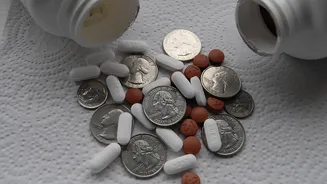
The study specifically examined a class of drugs known as GLP-1 receptor agonists. These breakthrough medications, which include well-known brand names like Ozempic, Wegovy, and Trulicity, mimic a natural hormone to help regulate blood sugar and appetite. While famous for their use in weight management, they have become a cornerstone of type 2 diabetes treatment precisely because they also offer substantial benefits for heart and kidney health. Doctors often prescribe them not just to control blood sugar, but to actively prevent cardiovascular disease in high-risk patients. The study’s findings reinforce how critical these drugs are for their protective qualities beyond glucose management alone.
Why Does the Risk Rebound?
The sharp increase in risk after stopping the medication is best understood as a loss of benefit, not a new harm. Think of it like taking away a shield during a battle; the underlying danger doesn't change, but your protection is suddenly gone. GLP-1 drugs actively work to protect the cardiovascular system. When the medication is stopped, the body’s underlying risk of a heart attack or stroke, which was being actively managed, returns to its natural, unprotected state. Interestingly, the study found that after stopping treatment, factors like weight, blood pressure, and blood sugar only changed slightly, suggesting these factors alone may not fully explain the dramatic increase in risk. This points to the drugs having a more direct protective effect that is lost upon cessation.
The Challenge of Staying on Treatment
This research highlights a major realworld issue in healthcare: medication adherence. A substantial number of patients stop taking these drugs, often within the first year of treatment. The reasons are varied and complex, including uncomfortable gastrointestinal side effects, high costs, supply shortages, or a perception that the drug is no longer needed. This study serves as a crucial reminder that feeling well is often a direct result of the medication working as intended. The protective benefits are not a onetime cure but an ongoing management strategy. Discontinuing treatment without a doctor's guidance effectively undoes the progress made in safeguarding heart health.
What Should Patients Do With This Information?
The single most important message from this study is clear: do not stop or change your diabetes medication without first speaking to your doctor. This news should not cause panic but rather empower you to have a more informed conversation with your healthcare provider. If you are taking a GLP1 drug, it was likely prescribed for its lifesaving cardiovascular benefits. If you're struggling with side effects, costs, or have any other concerns, your doctor can discuss alternative options, explore patient assistance programs, or explain in greater detail why continuing the medication is vital for your longterm health. The decision to stop a medication is a serious one that should always be made in partnership with a medical professional.