




What is This Celestial Event?
The event is a conjunction, which in astronomical terms means that two celestial bodies appear very close to each other in our sky. In reality, the Moon and Jupiter are hundreds of millions of kilometres apart. This is a line-of-sight phenomenon, a beautiful
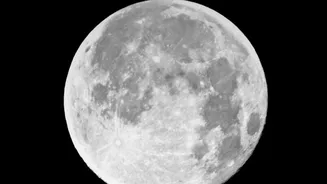
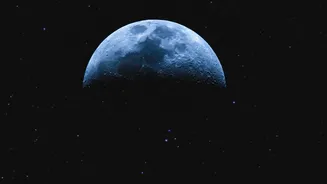
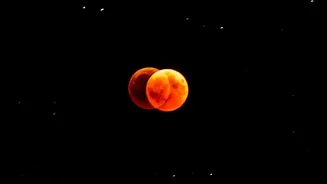
trick of perspective from our vantage point on Earth. On October 6, 2026, the Moon will pass close to Jupiter. In some parts of the world, like North America and Africa, the Moon will actually pass directly in front of Jupiter, an event called a lunar occultation. For observers in India, the two will not occult but will be seen in a very close and striking proximity, making for a memorable sight.
When and Where to Look in India
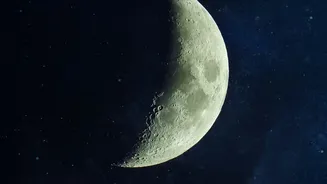
To catch this display in India, you'll need to set an early alarm. The pairing will be visible in the pre-dawn sky on Tuesday, October 6, 2026. The best time to look will be in the hours just before sunrise. You should direct your gaze towards the eastern sky. Jupiter will rise around 2:50 AM IST, so by 4:30 AM or so, it should be high enough above the horizon to be clearly visible, away from trees and buildings. The waning crescent Moon will be nearby, creating a stunning visual duo against the dark morning sky.
No Telescope Needed
One of the best things about this celestial event is its accessibility. Both the Moon and Jupiter are incredibly bright objects in our sky. You will not need a telescope or any special equipment to see them. Simply step outside, find a spot with a relatively clear view of the eastern horizon, and look up. Even in cities with moderate light pollution, this pairing should be bright enough to be easily spotted with the naked eye. Give your eyes a few minutes to adjust to the darkness, and the sight will become even clearer.
Enhancing Your View with Binoculars
While not necessary, a simple pair of binoculars can make the experience even more magical. With binoculars, you might be able to see more detail on the Moon's surface, particularly the line between its dark and illuminated sides. More excitingly, you may be able to spot up to four of Jupiter's largest moons, known as the Galilean moons. They will appear as tiny, star-like points of light in a nearly straight line on either side of the planet. Seeing these moons orbit another world with your own eyes is a profound experience, and this event provides a perfect opportunity.
A Giant in Our Solar System
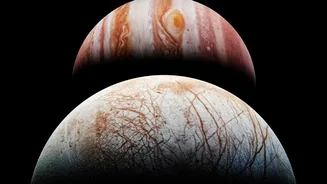
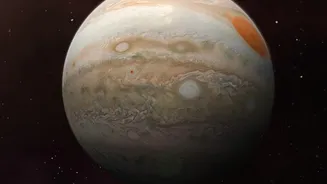
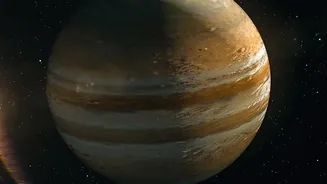
Jupiter is the largest planet in our solar system, a gas giant so massive that all the other planets could fit inside it. It shines with a bright, steady light, unlike stars which tend to twinkle. This is because planets are closer to us, appearing as tiny discs of light rather than pinpoints, which makes their light less susceptible to distortion by Earth's atmosphere. Jupiter is a fascinating world, known for its distinct bands of clouds and the Great Red Spot, a gigantic storm that has been raging for centuries. While you won't see these features without a powerful telescope, knowing they are there adds to the awe of seeing the planet shining brightly in the sky.