

Why Car Prices Are on the Rise Again
If it feels like car prices are constantly inching up, you’re not wrong. This latest round of increases, the third for some companies in 2026, is being driven by familiar pressures. Automakers consistently point to rising input and commodity costs as the primary
reason. This includes the price of essential materials like steel, aluminium, and copper, which have seen significant inflation. Beyond raw materials, companies also cite higher operational expenses and broader macroeconomic and geopolitical uncertainties that disrupt supply chains and increase the cost of doing business. While manufacturers state they absorb a significant portion of these increased costs, they argue that sustained pressure makes it necessary to pass some of the burden onto customers.
Which Brands Will Cost More in September?
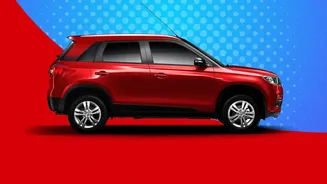
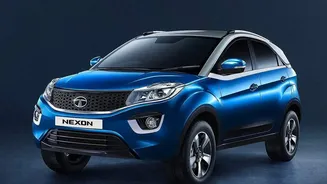
The September price hike is not limited to a single brand. Tata Motors has announced an increase of up to ₹25,000 across its entire portfolio of passenger vehicles, which includes both internal combustion engine (ICE) and electric vehicle (EV) models. Similarly, Hyundai Motor India will implement a price increase of up to 1% across its full range, from the Grand i10 Nios to the Creta and its electric lineup. These two are not alone in the trend. Maruti Suzuki, the country's largest carmaker, already raised prices by up to ₹30,000 in August, citing the same cost pressures. This industry-wide trend suggests that most major brands are feeling the pinch, and more could follow suit as the festive season approaches.
Calculating the Potential Savings
The key question for buyers is: how much can you actually save by purchasing before September 1? The answer depends on the car you choose. For Tata Motors, the hike is “up to ₹25,000,” meaning the full amount will likely apply to higher-end models and variants, while smaller cars may see a more modest increase. For Hyundai, a 1% increase can translate to a wide range. For example, on a car priced at ₹8 lakh, a 1% hike is ₹8,000. On a higher-spec SUV costing ₹20 lakh, that same 1% becomes a ₹20,000 increase. While these amounts may seem small relative to the total cost of the car, they represent real money that could otherwise be spent on accessories, insurance, or extended warranties. Acting before the new prices take effect guarantees you the current, lower ex-showroom price.
Is Waiting Ever the Wiser Move?
While buying early seems like a straightforward way to save money, it isn't always the best decision for everyone. The period leading up to the festive season is often when automakers launch new models or updated facelifts. For instance, a facelift for the Maruti Suzuki Baleno is expected to launch on September 5th. If a new version of the car you want is just around the corner, you might regret not waiting for the latest features, technology, or design. Furthermore, car manufacturers and dealers typically roll out attractive discounts and special offers during the festive period (October-November) to boost sales. These festive deals could potentially outweigh the savings from beating the September price hike. You must weigh the guaranteed savings now against the potential for better deals or a newer model later.
A Checklist for the Undecided Buyer
Feeling stuck? Here's a quick checklist to help you decide: 1. Have you finalized your model? If you know exactly which car and variant you want, and it's available, buying now is a safe bet to lock in the current price. 2. Are new versions launching soon? Do a quick search or ask your dealer if an updated version of your chosen car is expected in the next couple of months. If so, consider if the new features are worth the potential price difference. 3. What's your financial situation? A price hike might stretch your budget. If you have your financing sorted and are ready to buy, moving forward now provides cost certainty. 4. Can you wait for festive offers? If you are not in a hurry and are willing to gamble, waiting until October could bring attractive discounts that might be greater than the announced price hike. However, this is not guaranteed.