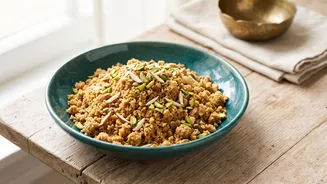



Dhania Panjiri
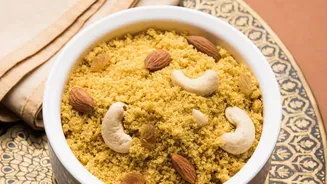
This aromatic and nutritious prasad is a hallmark of Janmashtami celebrations in North India. Made from roasted coriander powder, ghee, and nuts, it's a unique sweet that is both flavourful and significant for breaking the fast. Many families have their
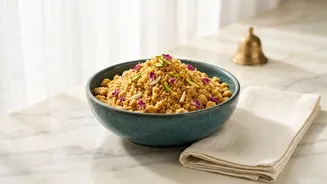
own variations, but this simplified version captures its traditional essence. Ingredients: 1 cup coriander powder, 4-5 tbsp ghee, ¾ cup powdered sugar, ½ cup makhana (fox nuts), and a mix of chopped almonds, cashews, and raisins. Method: Heat 1 tbsp of ghee in a pan and roast the makhana until crisp, then set aside and lightly crush them. In the same pan, add the remaining ghee and roast the coriander powder on a low flame for about 8-10 minutes until it becomes fragrant and golden brown. Turn off the heat and let the mixture cool. Once cooled, add the powdered sugar, roasted makhana, and chopped dry fruits. Mix everything well. Your Dhania Panjiri is ready to be offered as bhog.
Makhana Kheer
A creamy and delightful pudding made from makhana (fox nuts), Makhana Kheer is a light yet rich dessert perfect for festive occasions. Makhana is considered one of Lord Krishna's favourite treats, making this kheer a fitting offering. This simple recipe results in a comforting sweet that can be enjoyed warm or chilled. Ingredients: 1 cup makhana, 1 litre full-fat milk, ½ cup sugar, 1 tbsp ghee, ¼ tsp cardamom powder, and mixed chopped nuts for garnish. Method: Heat ghee in a pan and roast the makhana on low heat until they are crisp. Set aside about one-third of the whole makhana and coarsely grind the rest. Bring the milk to a boil in a heavy-bottomed pot. Add the crushed and whole makhana and let it simmer on low heat until the makhana softens and the milk thickens. Stir in the sugar and cardamom powder. Cook for a few more minutes, then turn off the heat. Garnish with chopped nuts before serving.
Gopalkala (Dahi Poha)
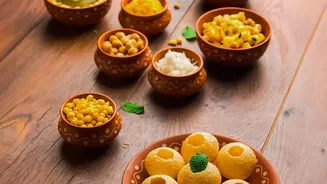
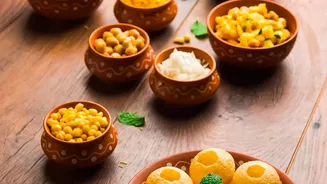
Gopalkala is a refreshing and savoury mixture that is believed to be a favourite of Lord Krishna. Made with poha (beaten rice), yogurt, cucumber, and simple spices, it's a no-cook prasad that is incredibly easy to assemble. It represents the simple, rustic food that Krishna enjoyed with his friends. Ingredients: 1 cup poha (thin or thick), 1 cup yogurt (curd), ½ cup chopped cucumber, 2 tbsp grated coconut, pomegranate seeds, and salt to taste. For tempering: 1 tsp ghee, ½ tsp cumin seeds, 1 chopped green chilli. Method: Wash the poha and drain the water completely. In a bowl, mix the poha, yogurt, cucumber, coconut, pomegranate seeds, and salt. Let it sit for a few minutes. For the tempering, heat ghee in a small pan, add cumin seeds and let them splutter. Add the green chilli and sauté for a few seconds. Pour this tempering over the poha mixture and mix well. Gopalkala is ready to be served immediately.
Panchamrit
No Janmashtami puja is complete without Panchamrit, a sacred concoction of five pure ingredients. The name translates to 'five nectars,' and this offering is used for the ritual bathing of the deity's idol (abhishek) before being distributed as prasad. It symbolizes purity and divine blessing. Ingredients: ½ cup raw milk, ¼ cup curd (yogurt), 1 tbsp honey, 1 tsp ghee, and 1 tbsp sugar. A few Tulsi leaves can be added. Method: In a clean bowl, combine the milk, curd, honey, ghee, and sugar. Stir the mixture gently until all the ingredients are well blended. Do not whisk or whip it. Add a few fresh Tulsi leaves on top before offering it as bhog. It is typically served in small portions as blessed prasad.
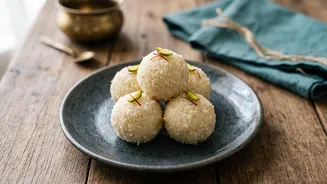
Coconut Ladoo
These quick and delicious ladoos are a festive favourite across India and are incredibly simple to prepare, often requiring just a few ingredients. Their sweet, chewy texture makes them a delightful treat for all ages. This recipe uses condensed milk to make the process even easier, perfect for a last-minute bhog preparation. Ingredients: 2 cups desiccated coconut, 1 can (approx. 400g) condensed milk, and ½ tsp cardamom powder. An extra ½ cup of desiccated coconut for rolling. Method: In a heavy-bottomed pan, add the 2 cups of desiccated coconut and the condensed milk. Cook on low-medium heat, stirring continuously for about 5-7 minutes, until the mixture thickens and starts to leave the sides of the pan. Add the cardamom powder and mix well. Turn off the heat and let the mixture cool slightly, just enough to handle. Grease your palms with a little ghee, take small portions of the mixture, and roll them into smooth balls. Roll each ladoo in the extra desiccated coconut to coat it evenly.
Makhan Mishri
Perhaps the simplest and most significant offering for Janmashtami is Makhan Mishri. Lord Krishna is famously known as 'Makhan Chor' (butter thief), and this dish of fresh white butter mixed with rock sugar (mishri) is considered his absolute favourite. It's less of a recipe and more of an assembly, symbolizing pure, unadulterated devotion. Ingredients: 1 cup fresh white butter (makhan) and ¼ cup mishri (rock sugar), lightly crushed. Method: To make fresh butter, churn full-fat milk cream (malai) with a whisk or in a blender with a little cold water until the butter separates from the buttermilk. Collect the butter and place it in a bowl. Gently fold in the crushed mishri. Garnish with a Tulsi leaf. This divine and simple prasad is now ready to be offered to Lord Krishna, connecting devotees directly to his childhood stories.