





The Rise of the AI Scribe
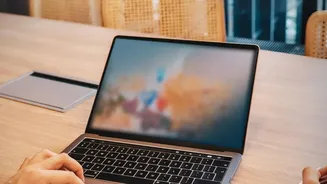
Artificial intelligence has moved from science fiction to a daily workplace reality in India, and note-taking is one of its most practical applications. AI tools like Otter.ai, Fireflies, and Notion AI are becoming common fixtures in virtual and physical
meeting rooms. Their primary promise is simple: to liberate you from the tyranny of manual transcription. These tools can listen to meetings, provide a word-for-word transcript, identify different speakers, and even generate concise summaries with key action items. For professionals who spend hours in back-to-back calls, the appeal is obvious. The ability to give a meeting your full attention, knowing that every detail is being captured, is a powerful proposition. These platforms reduce the administrative burden that follows meetings, where professionals can spend a significant amount of time rewriting and organising notes.
The Enduring Power of Pen and Paper
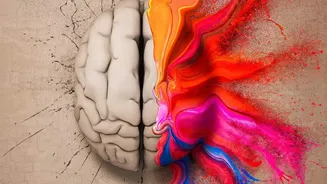
Despite the tech onslaught, the humble notebook and pen refuse to become obsolete. The reason lies in neuroscience. The physical act of writing engages the brain more deeply than typing. Research has consistently shown that when you write notes by hand, you are forced to process and summarise information because you can't possibly write as fast as someone speaks. This slower, more deliberate process activates parts of the brain associated with memory formation and learning. This 'productive constraint' leads to better recall and a deeper understanding of the concepts being discussed. The tactile experience of pen on paper, with its spatial and sensory cues, creates a stronger mental map of the information compared to the uniform, scrolling text on a screen.
The Showdown: Speed vs. Retention
When it comes to speed, there is no contest. Typing is significantly faster than handwriting, and AI transcription is virtually instantaneous. For meetings where capturing every single detail is critical—like legal depositions or detailed client briefings—AI tools are unmatched. They provide a perfect, searchable record that a human note-taker could never replicate. However, the battle for retention is won by pen and paper. Studies show that students and professionals who take notes by hand generally demonstrate better long-term memory of the subject matter. The act of typing can become a mindless transcription, whereas writing by hand forces active listening and cognitive engagement, embedding the knowledge more securely in your memory.
Organisation, Search, and Collaboration
Here, the pendulum swings firmly back to the AI camp. A stack of notebooks on a desk is a black hole of information. Finding a specific note from a meeting three months ago can be a frustrating, if not impossible, task. AI note-taking platforms, on the other hand, offer flawless organisation. Notes are automatically stored in the cloud, tagged, and instantly searchable. You can search for a keyword and find the exact moment it was mentioned in a meeting. Furthermore, collaboration is seamless. A meeting summary and transcript can be automatically shared with all participants, ensuring everyone is on the same page without any extra effort.
The Verdict: A Hybrid Approach for the Indian Professional
Ultimately, the face-off between AI and pen-and-paper isn't about choosing a single winner. The smartest professionals in India are realising the answer isn't 'either/or' but 'both/and'. The new trend is a hybrid approach, using the best tool for the specific task. Use a pen and notebook for brainstorming sessions, creative thinking, and meetings where you need to absorb complex concepts deeply. The act of doodling and manually connecting ideas on a page is something AI cannot yet replicate. Then, deploy an AI scribe for large-scale meetings, webinars, and interviews where a complete and accurate record is paramount. Some modern tools even bridge the gap, allowing you to write on a digital tablet with a stylus, combining the cognitive benefits of handwriting with the organisational power of digital storage.