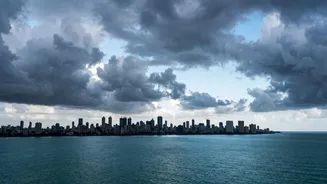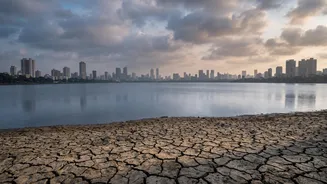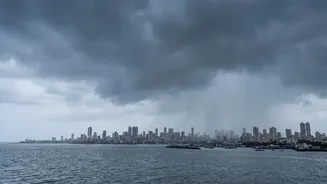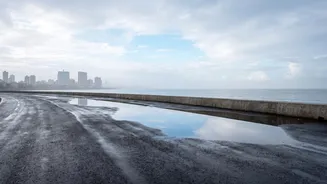





An Unusually Dry August
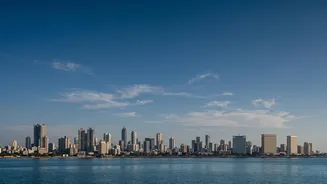
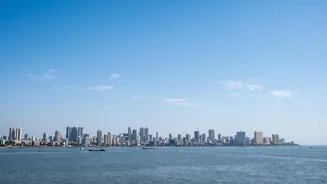
Mumbaikars have been looking at clear skies more often than not this August, a stark contrast to the usual deluge. While the monsoon season started with strong showers in June and July that helped fill the city's water reservoirs, August has seen a significant
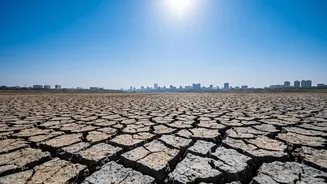
downturn in rainfall. According to weather reports, the Konkan region, including Mumbai, has not received adequate rainfall during the latter half of August. This lull follows an India Meteorological Department (IMD) forecast from late July that predicted below-normal rainfall for the country in August, partly due to strengthening El Niño conditions over the Pacific Ocean. While the season's total rainfall for Mumbai is still significant thanks to the early monsoon, the August deficit is noticeable and has been a topic of discussion among citizens and forecasters alike.
The Science Behind the Lull
So, where has the rain gone? Meteorologists point to a 'monsoon break'. This is a common phenomenon where the monsoon trough, a low-pressure belt that drives rainfall, shifts north to the foothills of the Himalayas. When this happens, rainfall decreases over most of the country, including Maharashtra, while increasing in the northeastern states and along the Himalayan range. Furthermore, weather systems that formed in the Bay of Bengal in August have tracked along the Indo-Gangetic plains, keeping the monsoon activity away from the western coast. This is a change from July, when these systems moved across central India, bringing widespread rain to Maharashtra.
What Forecasters Are Watching
Meteorologists are closely monitoring several key indicators to predict the monsoon's future. The primary focus is on the formation of new low-pressure systems in the Bay of Bengal and their subsequent tracks. For Mumbai to receive heavy rainfall again, one of these systems would need to form and move westward across central India, pulling moisture-laden winds from the Arabian Sea onto the Konkan coast. The IMD's extended-range forecasts currently suggest that a significant revival is unlikely for Maharashtra until the first few days of September. The forecast for the last week of August and the beginning of September indicates below-normal rainfall for the state.
Impact on the City’s Water Supply
Despite the dry August, there is some good news for Mumbai. Thanks to the heavy rainfall in July, the seven lakes that supply drinking water to the city are in a healthy position. As of August 27, the collective water stock in the lakes stood at 95.84% of their total capacity. This is a comfortable level and ensures that the city is not facing an immediate water crisis. Vihar lake is already at 100% capacity, with most other major lakes like Bhatsa, Tansa, and Middle Vaitarna also over 95% full. This healthy buffer is a significant relief, ensuring that the August lull has not yet impacted the city’s essential water supply. However, officials will continue to monitor levels closely as the monsoon season enters its final month.
The Outlook for September
With August ending on a dry note, all eyes are now on September, the final month of the official monsoon season. Forecasters are cautious. While a complete withdrawal of the monsoon is not imminent, the prevailing conditions do not point to an immediate return of the sustained, heavy downpours typical of Mumbai's peak monsoon. The IMD has indicated that the rainfall for the country as a whole is likely to remain below normal in the coming weeks. For Mumbaikars, this means the next few weeks are likely to see a mix of light to moderate showers, with a lower probability of the intense rainfall that the city is known for.