





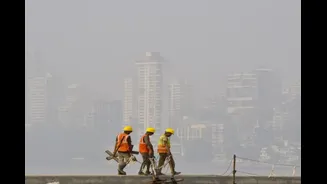
The City That Never Cools
We've all felt it on a sweltering summer night in a major Indian city. The air remains heavy and hot, radiating from the pavement and buildings, making restorative sleep feel impossible. This phenomenon is known as the 'Urban Heat Island' (UHI) effect.
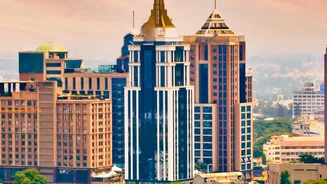
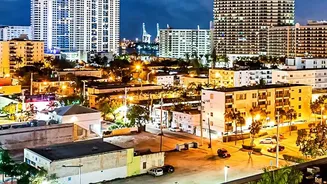
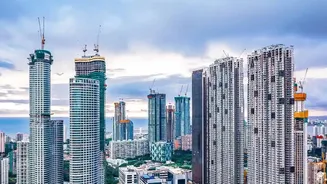
Cities, with their dense concentration of buildings, roads, and other infrastructure, absorb and re-emit the sun's heat far more than natural landscapes. As a result, urban areas can be significantly warmer than their rural surroundings, especially after dark. Studies across India have confirmed that as our cities rapidly expand, this effect is becoming more pronounced, turning our urban centres into islands of persistent heat.
How Concrete Becomes a Giant Radiator
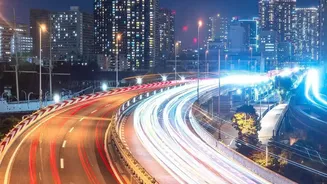
The key culprits are the materials we use to build our cities. Concrete, asphalt, and steel are excellent at absorbing solar radiation. During the day, they act like giant thermal batteries, soaking up the sun's energy. Unlike a grassy field, which cools quickly after sunset, these dense materials release their stored heat slowly and steadily throughout the night. This process is made worse by urban geometry. The tall buildings create 'street canyons' that trap the radiating heat, preventing it from escaping into the upper atmosphere. Add to this the waste heat generated by vehicles, air conditioners, and industrial processes, and you have a recipe for nights that refuse to cool down.
The Link Between Warm Nights and Poor Sleep
This lack of nighttime cooling directly interferes with our biology. To initiate and maintain deep sleep, our body's core temperature needs to naturally drop. A hot and humid environment prevents this crucial cooling process. When your bedroom remains warm, your body struggles to lower its temperature, leading to tossing and turning, frequent awakenings, and less time spent in the deeper, restorative stages of sleep. This results in feeling tired and irritable the next day, even if you were in bed for a full eight hours. Nighttime temperatures consistently above 20-25°C are strongly linked to reduced sleep efficiency and difficulty falling asleep.
More Than Just a Bad Night's Sleep
The consequences of heat-induced sleep deprivation go far beyond next-day fatigue. Chronic poor sleep is linked to a host of serious health issues. It can weaken the immune system, impair cognitive function, and increase the risk of high blood pressure and cardiovascular problems. For vulnerable populations, such as the elderly, young children, and those with pre-existing health conditions, the inability to cool down at night poses a significant risk, increasing the chances of heat stress and heat stroke. Furthermore, fragmented sleep can intensify emotional reactivity, contributing to increased irritability, anxiety, and mood swings.
Building Cooler, Healthier Cities
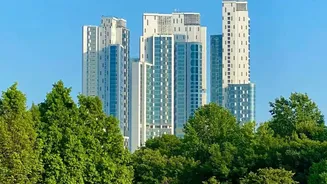
The good news is that we can design our cities to be cooler. The solution lies in consciously breaking up the concrete landscape. Increasing green cover by planting more trees and creating parks provides shade and cools the air through a natural process called evapotranspiration. Innovative building materials, such as 'cool roofs' with reflective surfaces, can bounce sunlight back instead of absorbing it. Similarly, using permeable concrete for pavements allows water to evaporate, which helps cool the surface. Thoughtful urban planning that promotes better wind flow and reduces the 'street canyon' effect can also make a significant difference. By integrating this blue-green infrastructure into urban design, cities can actively combat the heat island effect and improve public health.