








The Digital Safety Net
The primary driver behind this reliance is, unsurprisingly, safety. Traveling alone carries inherent risks, and crowdsourced data provides a powerful, multi-layered safety net. It’s no longer just about telling a friend your itinerary. Modern solo travelers
use apps like Find My Friends or Life360 to share their live location with trusted contacts, providing a real-time digital breadcrumb trail. Beyond personal networks, community-driven platforms offer crucial, on-the-ground intelligence. A solo female traveler can check a hyper-local safety rating on an app like GeoSure or read recent reviews in a Facebook group to learn if a particular neighbourhood is safe to walk through after dark. This isn't paranoia; it's proactive risk management. The collective knowledge of thousands who have gone before you provides a level of situational awareness that a printed guidebook could never offer, transforming anxiety into confidence.
The Search for Authenticity
Paradoxically, in an age of over-tourism and curated Instagram spots, solo travelers use crowdsourced data to escape the crowds. They are on a quest for authenticity, and the hive mind is their best guide. While a travel agency might push a sponsored, tourist-heavy restaurant, a quick search on a local food blog, Reddit’s r/solotravel sub, or a niche forum can reveal a hole-in-the-wall eatery beloved by locals. This is data sharing in its purest form: one traveler sharing a genuine experience to help another. It’s about filtering out the marketing noise to find the signal. Reviews, photos, and tips from fellow travelers are seen as more trustworthy than official promotional material. This allows the solo explorer to make decisions based on shared values—like finding the best dal makhani in Delhi or the quietest beach in Goa—rather than commercial interests.
Mastering Logistics in Real-Time
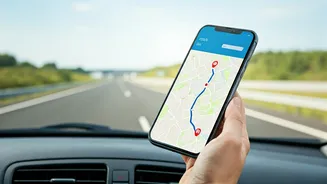
A solo traveler is their own travel agent, planner, and problem-solver. This is where the logistical power of crowdsourced data becomes indispensable. Think about navigating a foreign city’s public transport. An official schedule is one thing, but real-time data from apps like Google Maps or Citymapper, powered by millions of users, can warn you about a sudden delay, a station closure, or a less crowded train car. Similarly, before heading to a popular museum, a quick check of recent visitor posts can reveal the current queue time, helping to decide if the visit is worth it. This extends to everything from finding a co-working space with reliable Wi-Fi (a key concern for digital nomads) to checking the availability of a walk-in table at a cafe. This constant stream of micro-information eliminates friction, saves precious time, and reduces the mental load of managing every detail alone.
A Cure for Loneliness
While solitude is often a goal of solo travel, loneliness can be an unwelcome side effect. Crowdsourced platforms have become a powerful antidote. They facilitate community and connection among people who have never met. A traveler feeling isolated in a new city can post in a ‘Solo Travelers in India’ Facebook group and, within hours, have plans for coffee or a shared walking tour. Apps like Meetup or dedicated features within hostel booking platforms allow travelers to join events and activities with like-minded people. This isn't just about finding company; it's about sharing experiences with others who understand the unique highs and lows of being on the road alone. This digital-first approach to community building makes solo travel more accessible and sustainable for those who crave both independence and connection.