



Start with a Fresh Foundation
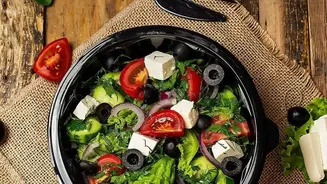
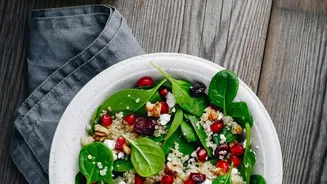
The base of any great Mediterranean salad is an abundance of fresh vegetables. Start with a generous portion of leafy greens; about two handfuls is a good measure. While romaine is a classic for its crunch, don't hesitate to use others like peppery arugula
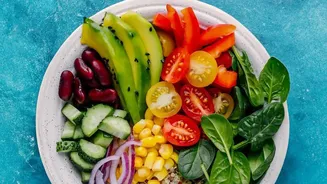
or tender spring mix. The key is variety. From there, build with classic Mediterranean staples like juicy tomatoes, crisp cucumbers, and thinly sliced red onion. A standard serve of salad vegetables is about one cup, providing nutrients and volume to help you feel full with minimal calories. The goal is to fill the majority of your bowl with this colourful, high-fibre foundation.
Power Up with Lean Protein
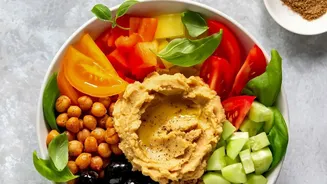
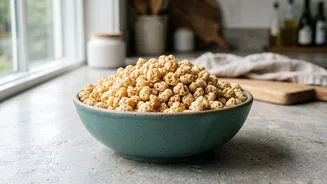
To make your salad a satisfying meal that keeps you full for hours, adding a source of lean protein is non-negotiable. For a plant-based option, chickpeas (garbanzo beans) are a fantastic choice, offering both protein and fibre; a half-cup serving is typically sufficient. Other great options include grilled chicken breast, a small fillet of salmon, or a couple of hard-boiled eggs. A good rule of thumb for meat or fish is a portion about the size of your palm. This protein component is crucial for turning a simple side dish into a balanced main course.
Incorporate Healthy Fats Mindfully
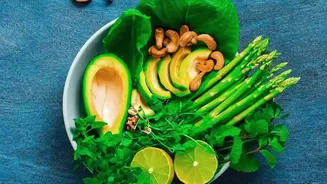
Healthy fats are a cornerstone of the Mediterranean diet, providing flavour, satisfaction, and essential nutrients. However, this is where portion control becomes most important, as fats are calorie-dense. Think of ingredients like olives, feta cheese, nuts, and avocado as flavour-enhancers rather than bulk ingredients. A small sprinkle of crumbled feta (about two tablespoons), a quarter of an avocado, or a handful of Kalamata olives is enough to lend that signature salty, creamy, or buttery richness. For nuts and seeds, which add a wonderful crunch, limit your serving to about a quarter of a cup.
Add Complex Carbs for Sustained Energy
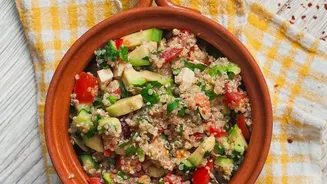
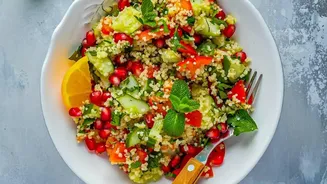
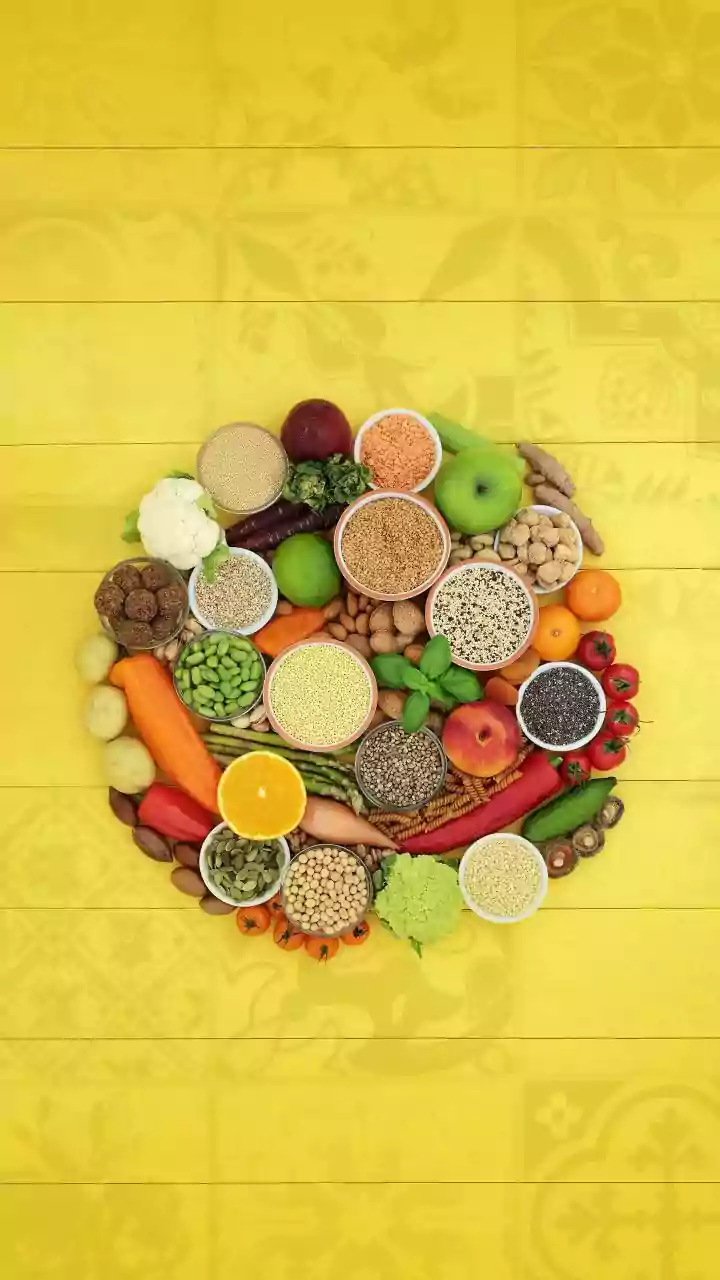
While many salads skip carbohydrates, adding a small portion of a complex carb can provide sustained energy and make the meal more complete. This prevents the feeling of being hungry again shortly after eating. A half-cup of a cooked whole grain like quinoa or a small whole-wheat pita on the side works perfectly. Roasted vegetables like sweet potato can also serve as a source of healthy carbs. By including a measured amount, you ensure your salad provides long-lasting fuel without turning into an overly heavy meal.
Dress it Up, the Lighter Way
A heavy, creamy dressing can quickly undo all your careful portioning. The best Mediterranean salad dressing is one you can whisk together in minutes. A classic vinaigrette combines extra virgin olive oil, a splash of red wine vinegar, and the juice of a fresh lemon. Seasonings like dried oregano, a touch of Dijon mustard, and minced garlic add layers of flavour without adding calories. A good ratio is about three parts oil to one part acid (vinegar or lemon juice). For a single serving, aim for no more than two tablespoons of dressing. Always dress the salad just before serving to keep the greens from becoming soggy.