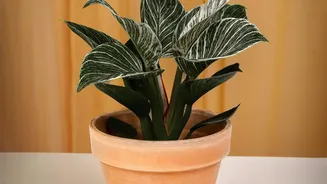




The Origin of the Green Myth
The idea that houseplants can scrub the air clean has its roots in a 1989 NASA study. Researchers, looking for ways to purify air in sealed environments like space stations, placed various common houseplants in small, sealed plexiglass chambers. They
then pumped in volatile organic compounds (VOCs) like formaldehyde and benzene. The results were promising: some plants were able to remove a significant percentage of these chemicals from the sealed chambers. This finding was widely publicised and quickly entered the popular imagination, creating the persistent belief that a few pots of greenery could detoxify our homes and offices.
Reality Check: A Forest in Your Living Room?
Subsequent research has revealed a major caveat to the NASA findings: they don't apply to a typical house or office. The original experiments were conducted in small, airtight containers, which have very little in common with the dynamic, ventilated spaces we live and work in. In a normal room, air is constantly being exchanged with the outside, a process that dilutes indoor pollutants far more effectively than plants can. Studies that re-analysed the data concluded that for houseplants to have a meaningful impact on air quality, you would need an impractically large number of them. Estimates range from 10 to as many as 1,000 plants per square metre of floor space to compete with a building’s natural ventilation. For the average home, that would mean creating a dense indoor jungle just to make a small dent in air pollution levels.
The Real, Proven Benefits of Indoor Plants
Just because they aren't miracle air purifiers doesn't mean you should discard your leafy friends. The documented benefits of indoor greenery are substantial, focusing primarily on mental and psychological well-being. A host of studies have shown that interacting with and even just being in the presence of indoor plants can reduce stress and anxiety. One 2015 study found that caring for plants helped lower physiological stress by suppressing blood pressure and heart rate. Participants reported feeling more comfortable and relaxed when working with plants compared to completing a task on a computer. Other research suggests plants can improve focus, attention span, and even aid in recovering from mental fatigue. The simple act of nurturing a living thing can bring joy, a sense of pride, and a vital connection to nature, especially for those without access to outdoor garden spaces.
How to Actually Improve Your Air
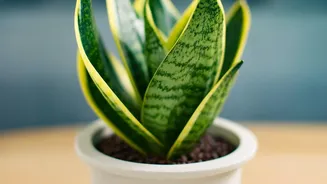
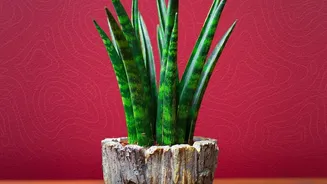
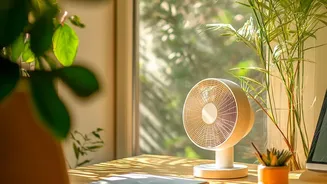
If your primary goal is cleaner indoor air, there are far more effective strategies than stocking up on snake plants and peace lilies. The most effective method is also the simplest: ventilation. Opening windows to allow fresh air to circulate is crucial for diluting and removing indoor pollutants. For those living in areas with high outdoor pollution or for whom opening windows isn't always practical, a good quality air purifier with a HEPA filter is a powerful tool. These devices are specifically designed to capture fine particulate matter, allergens, and VOCs from the air. Finally, controlling pollution at its source is key. This can mean using low-VOC paints and furniture, ensuring proper ventilation when cooking, and avoiding the use of harsh chemical cleaners and air fresheners.