


The Late Monsoon Challenge
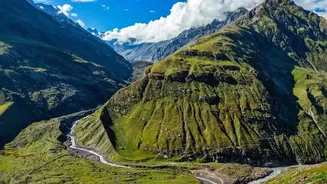
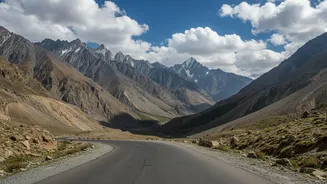
While Ladakh itself is in a rain-shadow region and remains relatively dry, the approach via the Manali-Leh highway is a different story. The late monsoon period, typically from mid-August through September, is a time of transition. The rains in the lower
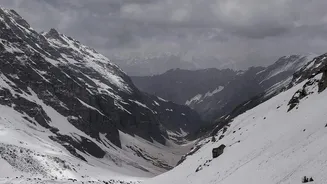
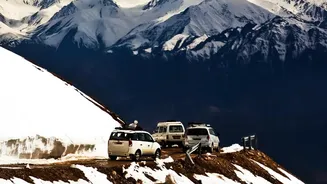
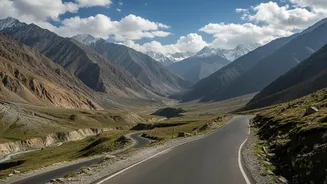
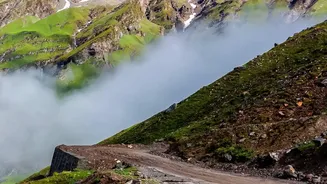
Himalayan hills of Himachal might be decreasing, but the danger is far from over. This period is notorious for a combination of hazards: sudden heavy downpours can trigger flash floods and landslides, especially on the stretches between Manali and Sarchu. Furthermore, as temperatures begin to drop at high altitudes, overnight frost and black ice can form on the roads, creating treacherous, invisible skid pans, particularly in the early mornings.
Monitor Conditions Religiously
The first rule of a safe trip is to stay informed. Road conditions can change in an instant. Before you even leave Manali, check the latest advisories from the Border Roads Organisation (BRO) and local police in both Manali and Leh. The highway's status is not a constant; a road that is open in the morning can be blocked by a landslide by the afternoon. Follow official social media handles and consult reliable travel forums for real-time updates from fellow travellers who are on the route. Do not rely on information that is more than a day old. Adding two to three buffer days to your itinerary is not just a suggestion, it's a necessity to account for potential closures.
Mastering Water Crossings (Nalas)
Glacial melts and rainwater create numerous water crossings, or 'nalas', on the highway. Their flow is weakest in the early morning and can swell to a raging torrent by the afternoon as the sun melts ice and snow. Always plan to cross major nalas, especially those around Rohtang, Jispa, and Baralacha La, before 10 or 11 AM. Before entering a crossing, take a moment to assess its depth and current. Watch another vehicle go through if possible. It is often best to follow the track marks left by larger trucks. Maintain a steady, low-gear momentum without splashing aggressively. If a stream looks too deep or fast, it is always wiser to wait.
Vehicle and Personal Preparedness
Your vehicle is your lifeline. Ensure it's in top condition with a thorough service, paying special attention to brakes, tyres (good tread is crucial for grip on slush and gravel), and all fluids. A 4x4 or a vehicle with high ground clearance is highly recommended. Pack for every eventuality. This includes warm layers, waterproof outer shells, and waterproof shoes. Carry an emergency kit containing a first-aid box, essential medicines (especially for altitude sickness), a powerful torch, a power bank, and extra food and water for at least 24 hours. Cash is king in these remote areas, as ATMs are scarce and often non-functional.
Respect the Altitude
Acute Mountain Sickness (AMS) is a serious risk on this route, which crosses several passes above 16,000 feet. The rapid ascent from Manali makes travellers particularly vulnerable. Plan your journey to allow for gradual acclimatisation. An overnight stay in Jispa or Keylong (around 10,000-11,000 feet) is far safer than pushing on to Sarchu (over 14,000 feet) on the first day. Stay hydrated by drinking plenty of water, and avoid alcohol and smoking. If you or a passenger experiences symptoms like severe headache, dizziness, nausea, or extreme fatigue, do not ascend further. Descend to a lower altitude immediately.