






Beyond Paneer and Ghee
For generations, Indian cuisine has been a haven for vegetarians. Our thalis are rich with dals, sabzis, and grains that celebrate the earth’s bounty. Yet, a new chapter is being written. The modern ‘plant-powered’ movement is subtly different from traditional
vegetarianism. It often involves reducing or eliminating all animal-derived products, including dairy and honey, pushing culinary boundaries beyond the familiar comfort of paneer, ghee, and dahi. This isn't about restriction; it's about expansion. It’s a conscious choice driven by a modern blend of health consciousness, environmental ethics, and a renewed excitement for culinary innovation that’s capturing the imagination of home cooks and chefs across the country.
The Health-First Motivation
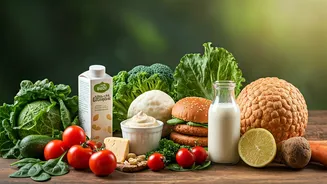
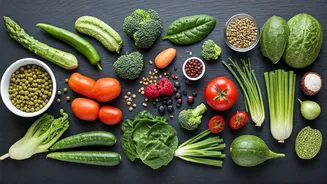
One of the biggest drivers of this shift is the pursuit of better health. A growing body of research links plant-centric diets to a lower risk of chronic diseases, improved gut health, and better weight management. For many Indians, this isn't just an abstract concept. It's a practical response to lifestyle concerns. Urban Indians are increasingly looking for ways to eat cleaner, reduce inflammation, and boost their energy levels. Swapping dairy milk for oat or almond milk in their morning chai, choosing a lentil-based burger over a processed one, or simply loading their plate with more colourful vegetables is an empowering way to take control of their well-being. The focus is on adding nutrients, not just removing food groups.
Our Planet on a Plate
The conversation around climate change has officially reached the dining table. Younger generations, in particular, are acutely aware of the environmental footprint of their food choices. The production of meat and dairy is resource-intensive, contributing significantly to greenhouse gas emissions and water usage. For many, choosing a plant-based meal is a small but meaningful act of environmental stewardship. This ethical consideration adds a powerful layer of purpose to eating. It transforms a simple meal into a vote for a more sustainable future, aligning personal habits with global well-being. This consciousness is amplified through social media, creating a community of informed consumers who inspire each other to make more planet-friendly choices.
Innovation in the Indian Kitchen
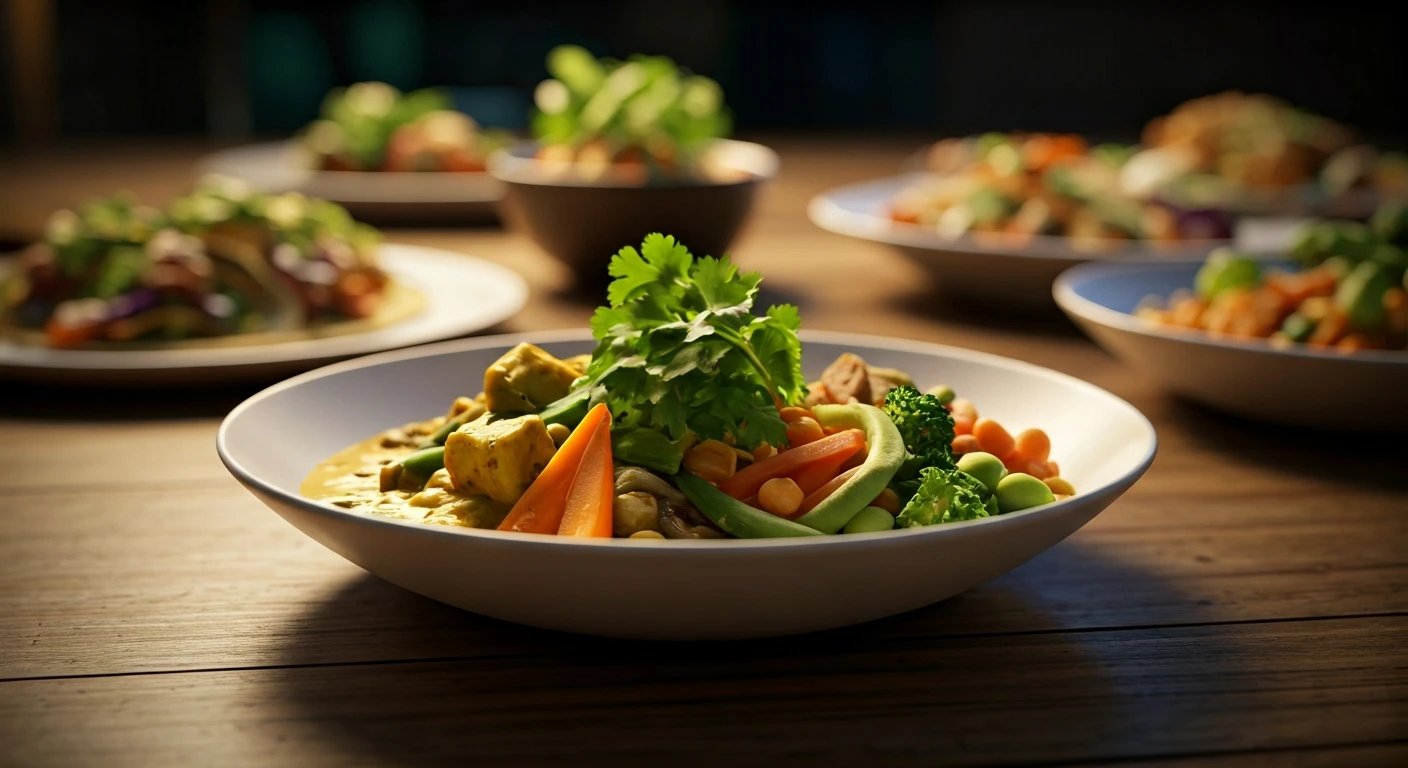
This movement would not be gaining such momentum without delicious and accessible alternatives. The market has exploded with innovation. Supermarket aisles now feature everything from plant-based milks made of soy, almond, and oats to mock meats that convincingly replicate the texture and taste of chicken or mutton. Indian startups are creating incredible plant-based cheeses, yogurts, and even ghee alternatives. This allows cooks to recreate beloved dishes without compromise. Think of a creamy ‘butter chicken’ made with plant-based chunks and a cashew cream sauce, or a decadent gajar ka halwa made with almond milk and coconut oil. This innovation makes the transition not only easy but also exciting.
Reimagining Our Classic Comforts
The real magic is happening in everyday kitchens where traditional recipes are being brilliantly reinterpreted. Home cooks are rediscovering the versatility of ingredients that have always been part of our culinary heritage. Scrambled tofu or crumbled chickpeas make for a fantastic ‘anda bhurji’ substitute. Jackfruit, with its fibrous texture, is being hailed as the perfect stand-in for pulled meat in biryanis and curries. Creamy sauces for kormas and dals are being crafted from soaked cashews or melon seeds instead of dairy cream. This isn't about replacing our food culture; it's about evolving it. It proves that the core flavours and techniques of Indian cooking are robust enough to adapt and shine in a fully plant-powered context.