







The Great Ventilation Debate
It’s a common instinct to throw open the windows when it rains, letting in the cool, clean-smelling air. Rain can wash dust and pollutants from the outdoors, making the air feel fresher. However, doing so during the monsoon is a double-edged sword. While
you let fresh air in, you also invite in the primary troublemaker of the season: humidity. When outdoor humidity is high, as it almost always is during a downpour, you allow all that moisture to enter your home, creating a damp indoor environment.
Why High Humidity is Bad News
When the relative humidity inside your home consistently exceeds 60%, it creates the perfect breeding ground for a host of unwelcome guests. Mold and mildew thrive in damp conditions, often growing unseen in corners, behind furniture, or inside wardrobes. These fungi release spores that can trigger allergies, worsen asthma, and cause respiratory issues. Dust mites, another common allergen, also multiply rapidly in humid environments. Furthermore, high moisture levels can cause building materials to off-gas harmful chemicals like formaldehyde more readily.
Strategic Ventilation: When to Open Windows
So, should you keep your home sealed shut? Not entirely. The key is to be strategic. The best time to ventilate is during breaks in the rain when the sun is out and the outdoor humidity has dropped. Even a short window of 15-30 minutes can be enough to flush out stale indoor air without bringing in excessive moisture. Cross-ventilation, where you open windows on opposite sides of the house, is particularly effective at creating a breeze that quickly exchanges the air. If it's raining heavily, it is best to keep windows closed to prevent moisture from creating a damp environment ripe for mold growth.
Beyond the Window: Other Ways to Improve Air Quality
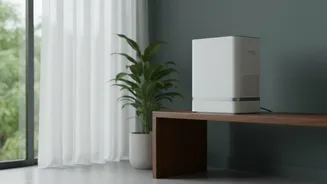
Ventilation isn't your only tool for combating monsoon air issues. Using exhaust fans in kitchens and bathrooms is crucial for removing moisture at its source. If your home feels persistently damp, a dehumidifier is an excellent investment to maintain ideal humidity levels, generally between 40-60%. Many air conditioners also have a 'Dry Mode' that effectively removes moisture from the air without over-cooling the room. For tackling airborne pollutants like dust, spores, and other allergens, an air purifier with a HEPA filter can make a significant difference, especially in bedrooms or for family members with respiratory sensitivities.
Simple Habits for a Healthier Monsoon Home
A few small adjustments to your daily routine can have a big impact. Avoid drying clothes indoors if possible, as this releases a large amount of moisture into the air. If you must, do it in a well-ventilated room or use a dehumidifier nearby. Regularly clean and dust surfaces, especially soft furnishings like curtains and sofas, which can trap moisture and allergens. Also, pulling furniture a few inches away from walls allows air to circulate and prevents mould from growing in hidden spots. Finally, ensure any leaks in your roof or plumbing are fixed promptly, as these are direct entry points for moisture.