

What Is Nordic Walking?
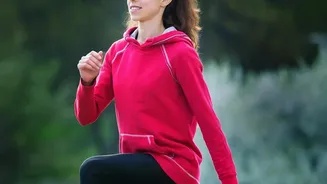
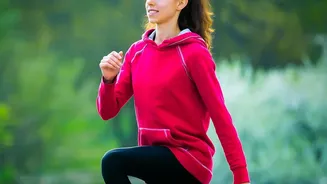
At first glance, Nordic walking looks like hiking, but with a city-stroll backdrop. However, it's a distinct fitness technique with specific gear and powerful benefits. Originally developed in Finland as a summer training method for cross-country skiers,
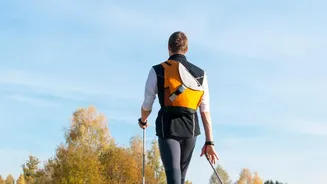
this exercise uses specially designed poles to transform regular walking into a comprehensive workout. Unlike trekking poles used for stability, Nordic poles are used to propel you forward. The basic motion mimics cross-country skiing: as you step forward with one foot, you plant the opposite pole behind you and push off. This simple addition engages your upper body, turning a lower-body exercise into one that activates up to 90% of your body's muscles.
The Fitness Revival
So why is this decades-old technique experiencing a resurgence? The modern fitness landscape provides the perfect conditions. After years of high-intensity interval training (HIIT) and complicated gym routines, many people are seeking sustainable, low-impact alternatives. Nordic walking fits the bill perfectly. It's accessible, can be done almost anywhere, and appeals to all ages and fitness levels, from athletes cross-training to older adults seeking stability and strength. The global interest in outdoor activities has also fuelled its comeback, with more people looking for ways to exercise in nature. This has led to a growing community, with new clubs and even night-time Nordic walking sessions becoming popular.
A Full-Body Workout in Disguise
The biggest draw of Nordic walking is its efficiency. While regular walking is great for cardiovascular health, it primarily uses muscles below the waist. By adding the push-off motion with poles, you engage your arms, shoulders, chest, and back muscles. This increased muscle engagement means you burn significantly more calories—studies show an increase of anywhere from 20% to over 46% compared to regular walking. It also enhances cardiovascular fitness more effectively. One study even found it improved functional capacity in heart patients more than other forms of training. Despite the increased effort, many practitioners report that it doesn't feel significantly harder, as the poles provide support and rhythm.
The Beginner's Advantage
Many workouts can feel intimidating, with steep learning curves or high fitness prerequisites. Nordic walking stands out for being exceptionally beginner-friendly. The fundamental technique is an extension of your natural walking motion, making it easy to learn. For those new to exercise, or concerned about joint pain, it offers a gentle yet effective option. The poles help distribute body weight, reducing the impact and stress on the knees, hips, and back. This added support also improves balance and posture, helping you walk with more confidence and stability, which is particularly beneficial for older adults or anyone with balance concerns.
Getting Started: Poles and Posture
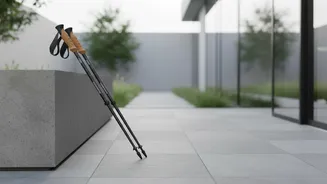
Ready to give it a try? The most important piece of equipment is a pair of proper Nordic walking poles, which differ from trekking poles in their design and strap system. The basic technique focuses on a few key points. Maintain an upright posture, leaning slightly forward from the ankles. Your arms should swing from the shoulder in opposition to your legs—right arm forward with left leg, and vice versa. Plant the pole at an angle behind you, roughly in line with the heel of your opposite foot. As you move past the pole, push through the strap to propel yourself forward, opening your hand on the follow-through. It’s a rhythmic, flowing movement that quickly becomes second nature.