



Understanding the Source of the Smell
The primary cause of bad smells in your bin is the decomposition of organic or 'wet' waste when it's mixed with everything else. When food scraps like vegetable peels, leftover food, and fruit rinds are trapped in a plastic bag with dry items like paper
and plastic, they break down without oxygen. This process, called anaerobic decomposition, releases smelly gases like methane and other volatile organic compounds, creating that distinct 'garbage' odour. The moisture from wet waste also creates a breeding ground for bacteria, which accelerates the decomposition and intensifies the smell, especially in warmer climates.
The Two-Bin System: A Simple Start
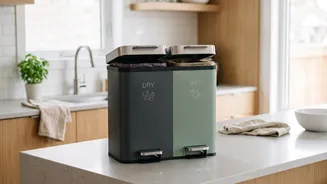
The solution begins with a simple two-bin system: one for wet waste and one for dry waste. This practice is known as waste segregation at the source, and it's the foundation of effective waste management. Your 'wet waste' bin is for all things biodegradable: fruit and vegetable peels, tea leaves, coffee grounds, eggshells, and leftover food. Your 'dry waste' bin is for materials that can be recycled or are non-biodegradable, such as paper, cardboard, plastics, metal, and glass. Keeping these two streams separate from the moment you discard them is the most critical step.
How Segregation Defeats Odours
By separating your waste, you immediately tackle the root causes of odour. When wet waste is kept in its own container, you can manage it more effectively. Many households choose to empty their small wet waste bin daily, preventing organic matter from sitting around long enough to produce foul smells. This separation also keeps your dry waste clean and free from contamination from food residue, making it easier to recycle and preventing it from developing musty odours. With no food breaking down anaerobically in a mixed-waste bag, your kitchen stays noticeably fresher.
The Natural Bridge to Easy Composting
Once you've mastered separating wet waste, you've already taken the biggest step toward home composting. The dedicated wet waste you collect daily is the primary ingredient for creating nutrient-rich compost, often called 'black gold' by gardeners. Instead of being a smelly problem destined for the landfill, your kitchen scraps become a valuable resource for your plants, garden, or balcony pots. You've already done the hard part of sorting; the next step is simply to put that sorted waste to good use.
Your First Steps in Home Composting
Composting at home is simpler than it sounds, especially when you have your wet waste ready. The basic recipe for healthy compost is to balance your 'greens' (the nitrogen-rich wet waste from your kitchen) with 'browns' (carbon-rich dry materials). For every part of kitchen scraps you add to your compost pile or bin, aim to add about two to three parts of browns. Great sources of browns include dry leaves, shredded newspaper, cardboard, and small twigs. This mixture ensures there's enough air, prevents the pile from becoming a soggy, smelly mess, and helps the microorganisms do their work efficiently.
Common Mistakes to Avoid for a Smell-Free Bin
To keep your compost journey smooth and odour-free, avoid a few common pitfalls. Do not add meat, fish, bones, dairy products, or oily/greasy foods to your beginner compost pile. These items can create strong, unpleasant odours and attract pests. Also, while many products are labelled 'compostable', most require industrial composting facilities and won't break down properly in a home setup. Finally, ensure your pile or bin isn't too wet; it should feel like a wrung-out sponge. If it gets too soggy, simply mix in more dry 'brown' materials to absorb the excess moisture and restore balance.