





A small bedroom can feel like a puzzle with too many pieces. The good news? The solution isn't about getting rid of things, but rethinking storage. Smart choices don't just hide clutter; they actively give you your floor space back.
The Psychology of an Open Floor
Before we talk about
furniture, let's talk about brains. A cluttered room, especially one with a crowded floor, has a real psychological impact. Research shows that visual disorganisation can increase levels of cortisol, the stress hormone, making it harder to relax and focus. Our brains interpret a clear floor as open, safe, and navigable. When your storage choices lift items off the ground, you're not just creating physical space; you're creating mental space. This makes the room feel instantly larger and more serene, even if the actual square footage hasn't changed.
Think Vertically, Not Horizontally
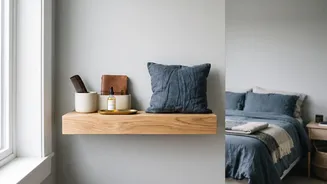
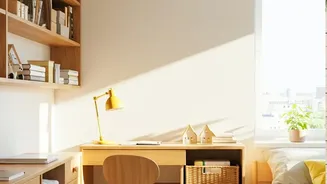
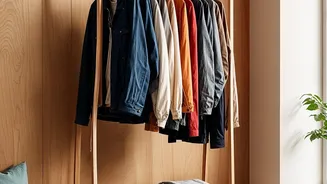
The most underutilised real estate in any small room is the wall space above your furniture. Instead of wide, low bookcases or dressers that eat up precious floor area, the single most effective change is to go vertical. Tall, narrow shelving units, floating shelves, and wall-mounted cabinets draw the eye upward, creating an illusion of height and spaciousness. These pieces use a smaller floor footprint while often providing more storage than their bulky, horizontal counterparts. Consider installing shelves above your headboard or using over-the-door organisers for shoes and accessories; these tricks use 'dead zones' to your advantage, keeping the floor clear for movement.
Choose Furniture That Works Harder
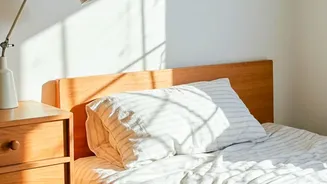
In a small bedroom, every piece of furniture should ideally serve more than one purpose. This is the core principle of multifunctional design. A bed, which is the largest item in the room, presents the biggest opportunity. A storage bed with built-in drawers or a hydraulic lift mechanism can often eliminate the need for a separate dresser entirely. This one swap can free up a significant patch of floor space, transforming how the room feels and functions. Similarly, a storage bench at the foot of the bed provides both seating and a place to hide extra bedding, while a nightstand with drawers is far more efficient than an open-shelf table.
Unlock Hidden Real Estate
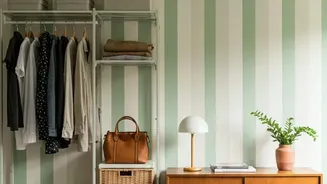
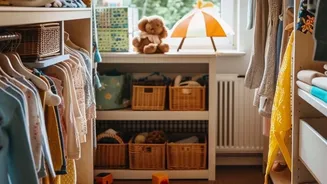
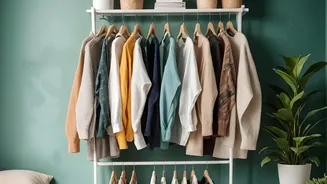
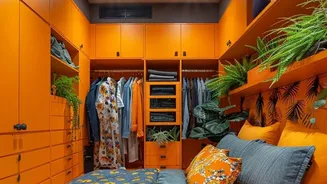
Beyond the obvious, small bedrooms are full of hidden storage opportunities. The space under a standard bed frame is a prime example. Even if you don't have a dedicated storage bed, using low-profile rolling bins or vacuum-sealed bags for seasonal clothing can effectively clear out an entire closet shelf. Another often-ignored area is the closet itself. Most closets have a single rod and a high shelf, wasting a lot of vertical volume. Adding a second rod, hanging fabric organisers, or placing a small set of drawers inside the closet can double its capacity, preventing clothes from spilling out onto chairs and floors.
Visual Tricks to Amplify Space
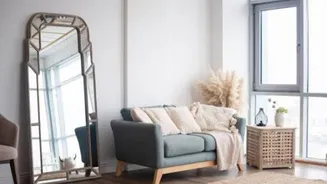
Once your storage is sorted, a few visual strategies can enhance the feeling of spaciousness. Furniture with raised legs, like a midcentury modern dresser or nightstand, allows you to see the floor underneath, which makes the room feel more open. Wallmounted desks or nightstands have a similar 'floating' effect that eliminates visual bulk. Using mirrors is another classic designer trick; placing a large mirror opposite a window can dramatically boost light and create a sense of depth. Finally, opting for builtin or walltowall wardrobes in a colour that matches the walls can make them visually recede, feeling less like bulky furniture and more like part of the room itself.