






The QR Code Takeover
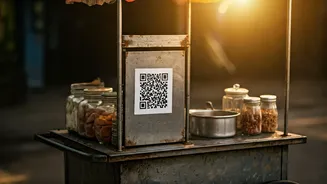
Not long ago, a trip to a local chaatwala or momo vendor was a strictly cash-only affair. Today, it’s common to see a laminated QR code dangling from the side of a food cart, a testament to the sweeping impact of the Unified Payments Interface (UPI).
This digital payment system has become a universal service, making transactions as instant and easy as sending a text message. This shift has been instrumental in bringing a massive segment of the informal economy into the digital fold. For vendors, it means no more fumbling for change, easier tracking of daily sales, and a reduced reliance on physical cash. For customers, it offers a seamless way to pay for their favourite snacks, a convenience that is rapidly becoming an expectation rather than a novelty. This widespread adoption is changing daily commerce, with low-value, frequent payments now mirroring traditional cash usage patterns.
From Street to Screen
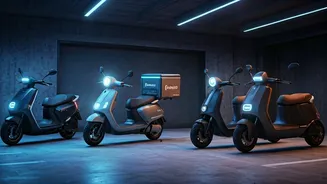
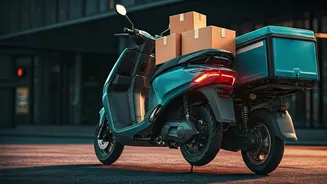
The convenience wave extends beyond just payments. Major food delivery platforms like Zomato and Swiggy are increasingly partnering with street food vendors, bringing their offerings online. This evolution was accelerated by government initiatives like the PM SVANidhi Scheme, which was launched to help street vendors recover from the economic impact of the pandemic by providing them with micro-loans and facilitating their entry into the digital marketplace. By joining these platforms, vendors gain access to a much wider customer base, reaching people who may not have otherwise visited their physical stall. For consumers, it means their beloved street-side delicacies are now just a few taps away, delivered directly to their homes. This has been a significant boon for many small entrepreneurs in tier-II and tier-III cities, who report that these apps can contribute to a huge percentage of their sales.
A Mixed Blessing for Vendors
While the move toward a digital-first model offers undeniable benefits, it's not without its challenges. Many vendors still grapple with a lack of technological awareness, unreliable internet connectivity, and concerns over transaction security and privacy. Studies show that despite an openness to new technology, a preference for cash can persist due to these barriers. Furthermore, partnering with delivery aggregators introduces new complexities. While they increase visibility, these platforms charge commissions of 30-35%, which can be a significant cost for a small-scale business. Vendors must also adapt to new standards for packaging, hygiene, and menu digitization. The digital trail created by online payments can improve a vendor's creditworthiness and access to formal loans, but the initial hurdles of digital literacy and trust remain significant.
The Future of the Footpath Feast
The integration of technology is fundamentally altering the character of Indian street food. The “convenience economy,” where consumers are willing to pay more for speed and comfort, is a powerful force. This trend is pushing the traditionally informal street food sector toward greater formalization. On one hand, this leads to better hygiene standards, business accountability, and economic growth. On the other hand, there are concerns about whether this shift will dilute the authentic, impromptu nature that makes street food so special. The evolution from a simple handcart to a digitally integrated business is a complex one. The challenge lies in balancing the undeniable advantages of convenience with the preservation of the cultural heritage and personal connection that define India’s vibrant street food scene.