




The New Appeal of the Monsoon
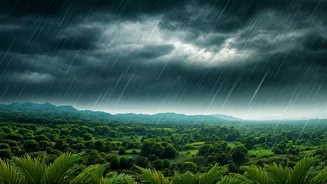
For years, the narrative around monsoon travel was one of caution and compromise—a time of cancelled plans and indoor confinement. But that perception is undergoing a significant transformation. Instead of seeing the rain as an obstacle, a wave of Indian
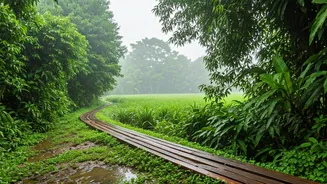
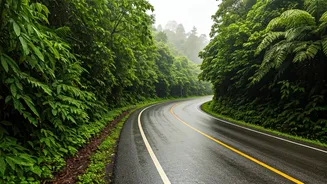
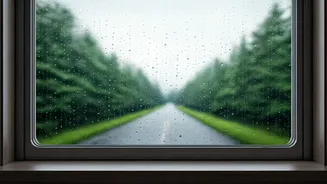
travellers is embracing it as the perfect backdrop for wellness and introspection. [16] The frantic pace of peak-season, checklist-driven tourism is being traded for a slower, more intentional approach. [16] This shift is not just about avoiding crowds; it's a conscious decision to use the season's quiet, restorative atmosphere to focus on personal well-being. The very elements that once deterred tourists—the downpours, the lush and damp earth—are now central to the appeal of a monsoon wellness retreat.
Why Rain Equals Rejuvenation
The logic behind this trend is deeply rooted in India’s ancient healing traditions, particularly Ayurveda. According to Ayurvedic texts, the monsoon season, or 'Varsha Ritu', is the most potent time for therapeutic treatments. [4, 19] The reasoning is both poetic and practical: the cool, humid air and moist earth open up the body's pores and soften tissues, making the skin more receptive to medicinal oils and herbal therapies. [2, 4, 7] This enhanced absorption allows treatments like Panchakarma—a comprehensive detoxification program—to be more effective at eliminating toxins from the body. [2, 6] The natural slowdown effect of the monsoon also creates an ideal environment for relaxation, helping to reduce stress hormones and reset the immune system. [2, 7]
Beyond the Yoga Mat
Modern wellness breaks are far more than just a series of spa treatments. They are holistic experiences designed to combat the burnout and stress of contemporary life. [21] Travellers are signing up for curated programs that often include a digital detox, personalized nutrition plans featuring easy-to-digest Sattvic meals, and a variety of healing modalities. [13, 23] A typical retreat might blend daily yoga and meditation with guided nature walks in the rain-washed forests, art therapy, sound healing, and workshops on mindful living. [3, 13] The goal is to move beyond short-term relaxation and equip individuals with practices they can integrate into their daily lives long after the retreat is over. [12]
Rain-Washed Sanctuaries
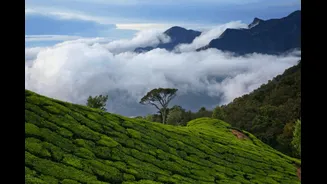
Kerala, often called the Mecca of Ayurveda, is at the heart of this monsoon wellness boom. [5, 10] Its green landscapes, backwaters, and long tradition of Ayurvedic practice make it a natural hub. [19] Resorts and retreats from Kovalam to Palakkad offer specialized monsoon packages. [10, 11] But the trend extends far beyond. The Western Ghats in Maharashtra and Karnataka, with their cascading waterfalls and lush scenery, are also becoming popular. [5, 19] Destinations like Rishikesh in the Himalayan foothills, Goa, and even boutique sanctuaries near Rajkot and Bengaluru are attracting travellers seeking a serene, rain-soaked reset. [3, 17] These locations offer the perfect combination of natural beauty and expert-led wellness programs, providing a true escape and a chance to heal. [3, 9]
A Meaningful Shift in Travel
The rise of monsoon wellness travel reflects a broader, more profound shift in how people view their holidays. The post-pandemic era has intensified the focus on health, both mental and physical, leading many to seek more meaningful travel experiences. [23] According to recent travel data, there's a growing preference for experience-led travel, where the destination is chosen to align with personal interests like wellness, spirituality, and cultural immersion. [18] This trend is not just about personal health; it's also about a connection to nature and a desire to travel more responsibly. By embracing the off-season, travellers are contributing to a more sustainable tourism model while discovering that the most profound journeys are often the ones that lead inward.