



Start with a Sustainable Star: The Succulent
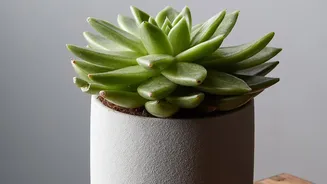
The heart of your hamper is a beautiful, low-maintenance succulent. These hardy plants symbolise growth and resilience, making them a truly thoughtful gift. To keep it budget-friendly, skip the fancy garden centres and head to your local nursery, which
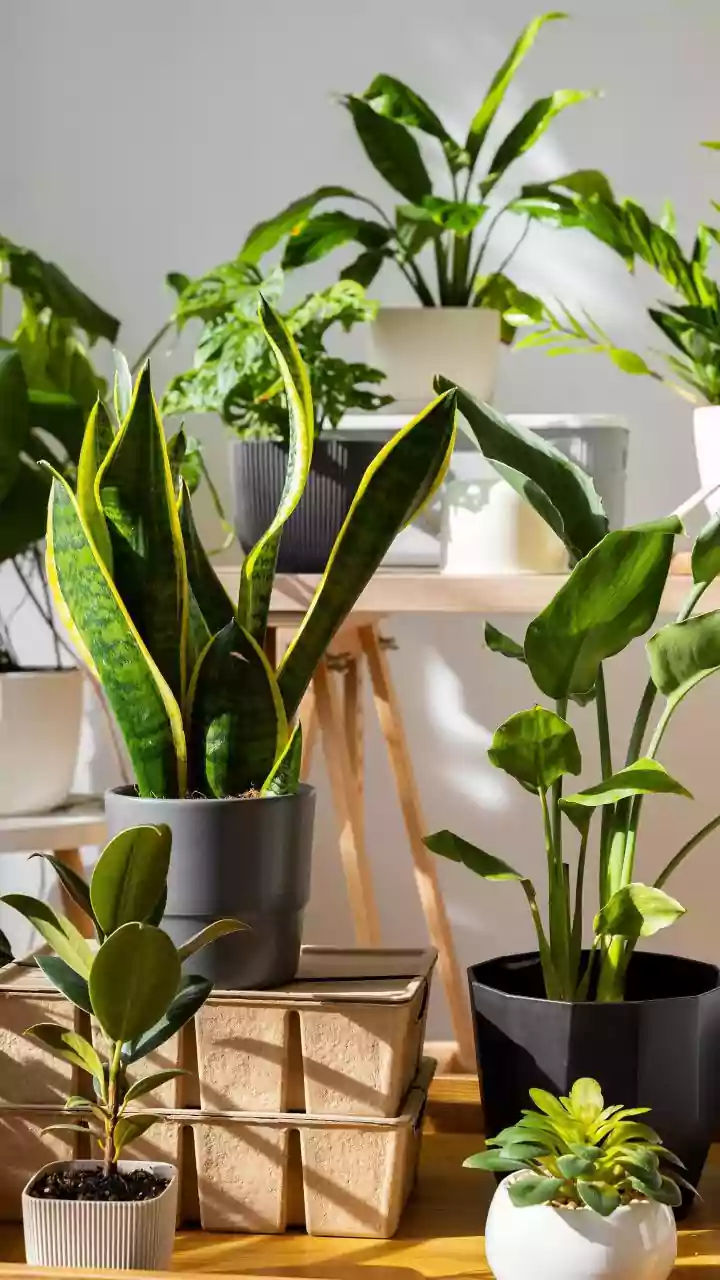
often sells small succulents or even rooted cuttings for a fraction of the price. Many online sellers in India also offer a wide variety of succulents at affordable prices. When choosing, look for plants with firm, vibrant leaves and no signs of pests. Popular, easy-care options perfect for Indian homes include varieties of Echeveria, Haworthia, Jade, and Sedum. Don’t be afraid to pick a few different small ones to create a mini garden.
Choose an Earth-Friendly Pot and Hamper
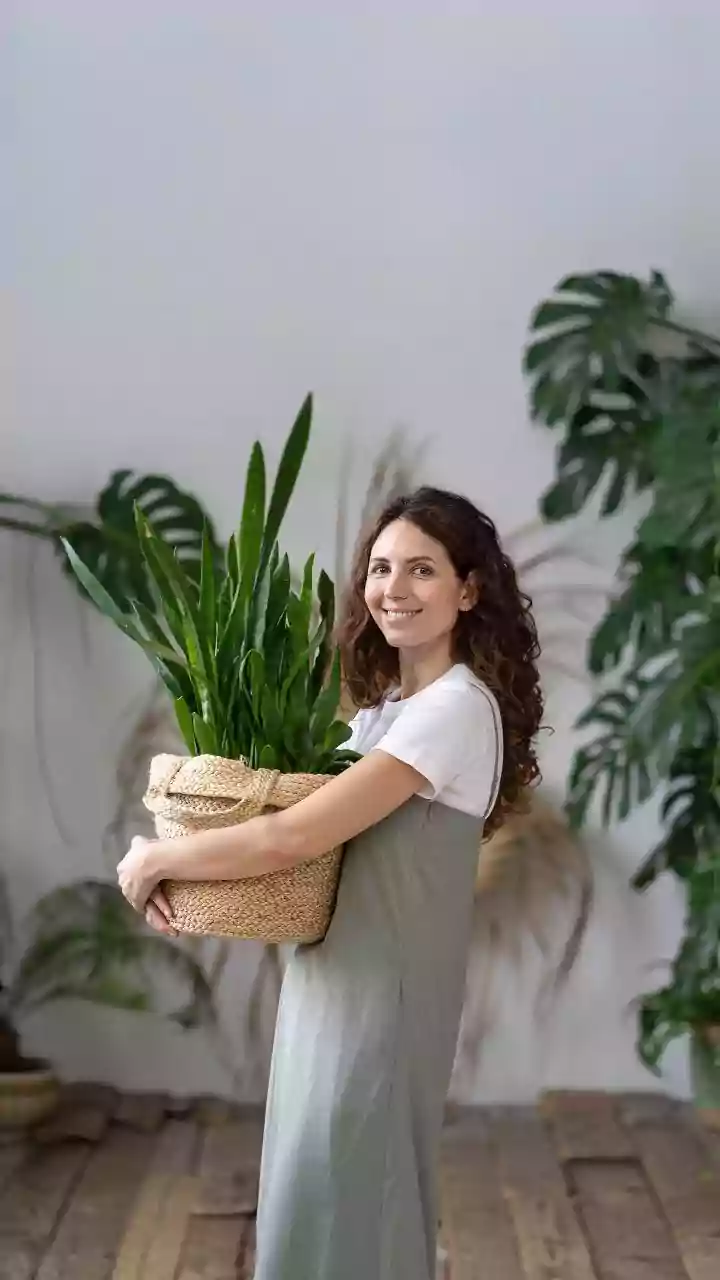
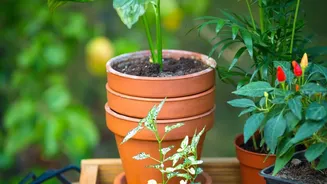
The container sets the tone for your eco-hamper. For the pot itself, classic terracotta is a fantastic, breathable, and inexpensive choice. You can also get creative by upcycling items like old ceramic mugs, tins, or small wooden boxes. Just ensure your chosen pot has a drainage hole at the bottom, as succulents hate waterlogged soil. For the main hamper, look for reusable options. A wicker basket, a small wooden crate, or even a sturdy cardboard box can be beautifully repurposed. To hold everything in place, use natural fillers like wood wool, shredded kraft paper, or even dried leaves instead of plastic foam.
Add Thoughtful, Eco-Conscious Extras
Elevate your hamper by including a few small, sustainable treats. This is where you can truly personalise the gift. Consider adding items like a bar of natural, handmade soap, a small soy wax candle, or a packet of organic herbal tea. For a gardening theme, you could include a small bag of special succulent soil mix or decorative pebbles. Other ideas include bamboo toothbrushes, a reusable cotton tote bag, or fair-trade chocolates. The goal is to curate a small collection of useful, beautiful items that align with an eco-conscious lifestyle, avoiding single-use plastics and unnecessary packaging.
Master the Art of Plastic-Free Wrapping
Forget shiny, non-recyclable wrapping paper and plastic ribbons. Eco-friendly wrapping is not only better for the environment but also adds a rustic, elegant charm. One of the most beautiful techniques is Furoshiki, the Japanese art of wrapping with fabric. Use a square of cotton fabric—like a colourful napkin or a repurposed scarf—to wrap your hamper. Alternatively, plain brown kraft paper is a versatile and recyclable option that you can decorate yourself. Use jute twine or natural raffia instead of plastic tape and ribbon. For a final flourish, tuck in a sprig of fresh greenery, a dried flower, or a slice of dried orange. This natural touch makes the gift look and feel extra special.
Include a Simple Care Card
The final touch is a small, handwritten note with basic care instructions. This ensures your thoughtful gift will continue to thrive long after it’s received. Keep it simple and clear. Key points to include are: place the succulent in bright, indirect sunlight; water only when the soil is completely dry to the touch; and ensure the pot has good drainage. This small gesture shows you care about the plant's future and empowers the recipient, even if they're a complete beginner with plants. You can write this on a small piece of recycled cardboard to maintain the eco-friendly theme.