
The Myth of Tiny Furniture
The logic seems sound. If you have a small living room, buying a tiny sofa, a miniature coffee table, and a petite armchair should make it feel bigger, right? This approach, however, often backfires. A room filled with undersized furniture can feel disjointed
and, ironically, highlight the lack of space. It can create a cluttered, dollhouse effect that is neither comfortable nor visually calming. Instead of a cohesive living area, you end up with several small items floating in a space, which can make it feel more cramped and impractical for everyday living. After all, a two-seater that barely fits one person comfortably isn't a functional solution.
The New Philosophy: Smarter, Not Smaller
Enter the era of double-duty design. Instead of just shrinking furniture, current design advice focuses on maximizing every square inch with pieces that are intelligent, adaptable, and multifunctional. The core idea is to have fewer items in a room, but for each item to serve multiple purposes. This isn't just about hiding clutter; it's about making your furniture work as hard as you do. Think of a storage ottoman that holds blankets and also serves as extra seating, or a sleek console table that expands to become a dining table for six. This approach values utility and intelligence over sheer smallness.
Creating an Illusion of Space
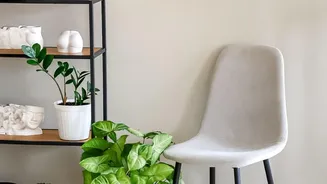
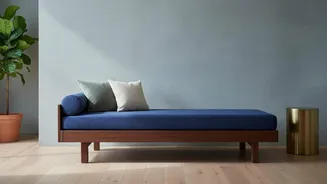
One of the biggest paradoxes in small-space design is that a few larger, well-chosen pieces often make a room feel more expansive than many small ones. A single, properly scaled sofa, for instance, creates a cleaner, more unified look than a tiny loveseat paired with two small chairs. This is because it reduces visual clutter. Your eye sees one large, anchored piece rather than a jumble of smaller items, which makes the room feel calmer and less busy. Furniture with exposed legs also contributes to this illusion by allowing light and sightlines to pass underneath, making the floor area appear larger.
Prioritising Real-World Functionality
Small-home living doesn't mean you have to sacrifice comfort or the ability to host friends. This is where double-duty furniture truly shines. A high-quality sofa bed offers a comfortable night's sleep for guests without permanently occupying a room. A coffee table that lifts to become a work-from-home desk provides a dedicated workspace that can be tucked away at the end of the day. These pieces acknowledge that modern homes need to be flexible. They are designed for real-life scenarios, from impromptu dinner parties to remote work, ensuring that your home supports your lifestyle, no matter its size.
Key Double-Duty Pieces to Consider
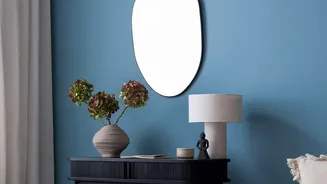
Ready to embrace the multifunctional mindset? Start by identifying the areas in your home that need to work harder. For the living room, consider a sofa with built-in storage or a modular design that can be reconfigured. An ottoman with a removable top is a classic for a reason, hiding everything from magazines to gaming controllers. In the bedroom, a bed frame with integrated drawers can eliminate the need for a bulky dresser. For dining, look into extendable tables or drop-leaf designs that can sit compactly against a wall when not in use. Even mirrors can do double duty, making a space feel larger and brighter while also serving their primary function.
Where Tiny Furniture Still Fits
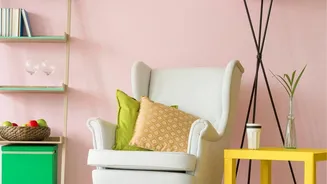
This shift towards multifunctional pieces doesn't mean there's no place for smaller items. The key is balance and intention. While your main seating should be properly scaled, a slim side table can be the perfect companion, holding a drink without taking up much floor space. A single, elegant, and small-scale accent chair can add a pop of colour or fill an awkward corner without overwhelming the room. The strategy is to use these smaller pieces as accents to complement a few larger, harder-working anchor pieces, rather than making them the foundation of your entire design scheme.