



The Hug in a Bowl
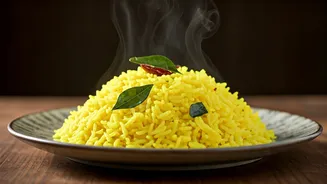
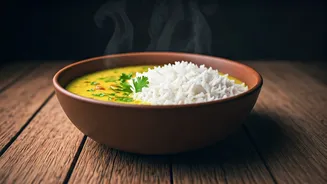
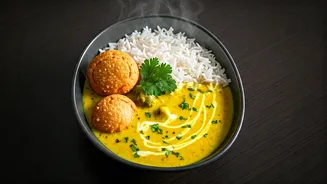
Let’s be honest, kadhi chawal was never really gone. It has always been the dependable anchor of Indian home cooking. A bowl of steaming rice drowned in a velvety, tangy yogurt-based curry, punctuated by crispy pakoras or simple boondi—it’s the definitive
taste of home for millions. From the sweet Gujarati kadhi to the spicy Punjabi version or the subtle Rajasthani variant, every region has its own signature. This diversity is its strength. It’s the meal your mother made when you were sick, the simple lunch on a lazy Sunday, or the quick dinner after a long day. It doesn't demand fancy ingredients or complex techniques; its currency is comfort, pure and simple.
Nostalgia on the Menu
In our hyper-globalised, fast-paced world, there's a growing hunger for authenticity and connection. For urban millennials and Gen Z, many of whom live away from home, food has become a primary way to connect with their roots. The complex flavours of a fusion taco are exciting, but the simple taste of kadhi chawal can transport you back to your childhood kitchen in an instant. It’s a culinary time machine. This craving for nostalgia isn't just about sentimentality; it's a response to the overwhelming pace of modern life. People are seeking out foods that are emotionally grounding, and kadhi chawal, with its deep-seated association with family and care, fits the bill perfectly. It’s a dish that remembers a simpler time, and in eating it, so do we.
The Surprise Wellness Star
For years, traditional Indian food was unfairly painted as being heavy or unhealthy. But the wellness narrative is changing, and kadhi is suddenly a superstar. At its core, kadhi is made from yogurt, a powerful probiotic that's great for gut health. The besan (chickpea flour) provides protein and fibre. And then there's the generous dose of turmeric, a celebrated anti-inflammatory. When you break it down, kadhi chawal is a balanced, nourishing meal. It’s light on the stomach, easy to digest, and hydrating. As people become more mindful about what they eat, they are rediscovering the inherent wisdom in their grandmothers' kitchens. Kadhi is no longer just ‘simple’ food; it’s being rightly recognized as ‘smart’ food that's been part of our culture all along.
A Social Media Glow-Up
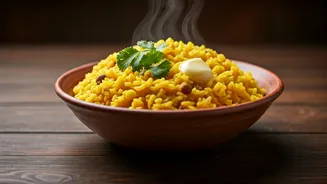
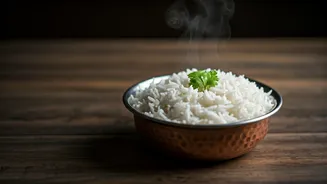
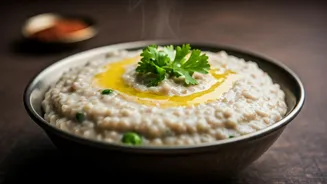
Let's face it, a humble bowl of yellow curry and white rice isn't traditionally the most 'Instagrammable' dish. But that has changed. Food bloggers and content creators are now giving kadhi chawal a visual makeover. They plate it in beautiful ceramic bowls, garnish it with fresh coriander, a swirl of ghee, and perhaps a bright red chilli tadka. Suddenly, this homely dish looks aspirational. Short-form videos on Instagram and TikTok showing the simple, satisfying process of making kadhi or the perfect 'kadhi chawal pour' have gone viral. This social media spotlight has introduced the dish to a new generation and reminded everyone else of its simple charm. It’s proof that even the most traditional foods can find a vibrant new life online.
From Home Kitchens to Hip Restaurants
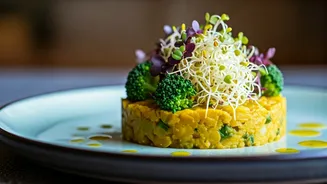
Perhaps the clearest sign of kadhi chawal’s resurgence is its journey from the private dining table to the public menu. Once a rarity in restaurants, it is now proudly featured in cloud kitchens, trendy cafes, and even upscale Indian eateries. Some offer classic, 'homestyle' versions, while others experiment with gourmet twists—think avocado pakoras or artisanal rice pairings. This commercial embrace has made the dish more accessible than ever. You no longer need to wait for a trip home to satisfy a craving; a perfect bowl of kadhi chawal is just a tap away on a food delivery app. This shift signals that kadhi chawal is not just a personal comfort food but a collective cultural icon worth celebrating—and selling.