




A Cherished Comfort Food
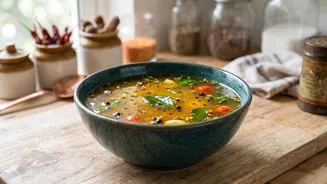
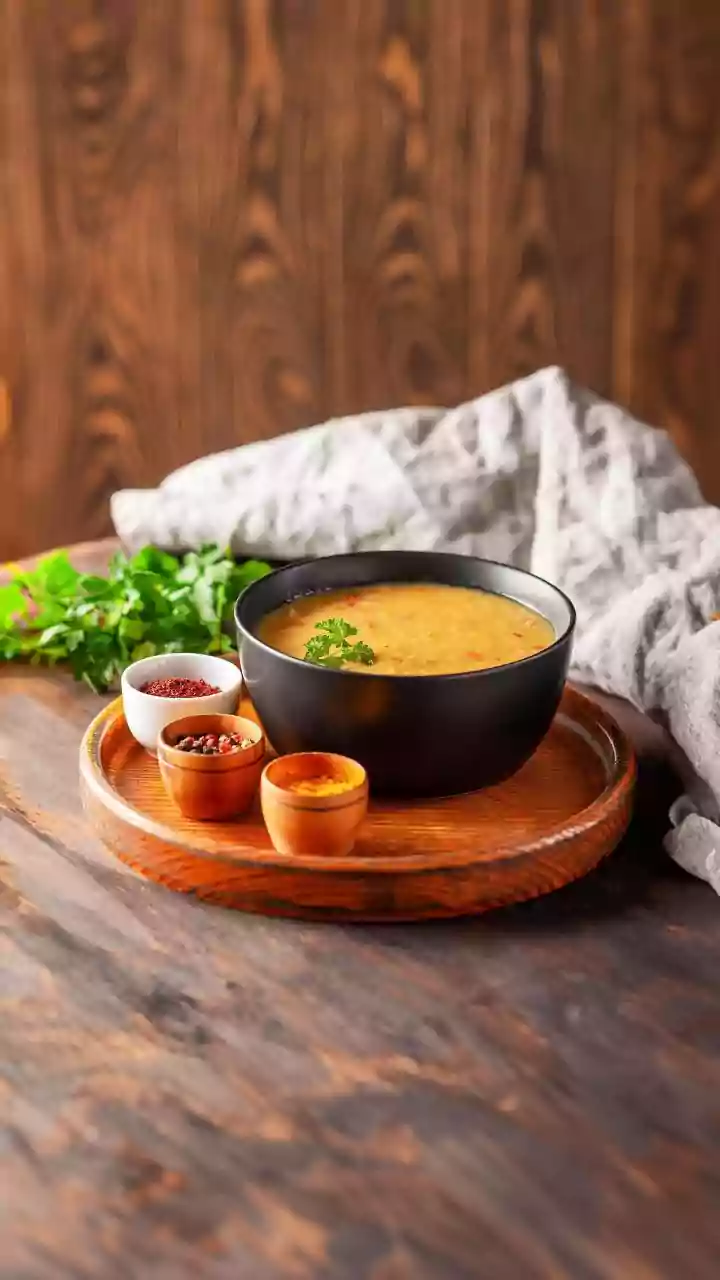
In countless South Indian homes, pepper rasam, or 'milagu rasam', is the go-to food when someone has a cold or fever. It's a light, brothy soup made from a base of tamarind juice and tomatoes, spiced generously with black pepper, cumin, and garlic. Served
hot with rice or sipped on its own, it’s cherished as a food that is both easy to digest and deeply warming. This tradition is rooted in the belief that its ingredients have properties that can help a person feel better during an illness. For generations, it has been seen as the first line of defence in the kitchen pharmacy, long before anyone reaches for medicine.
The Power of Its Ingredients
The health-giving reputation of rasam comes from its potent blend of spices. Black pepper, the star ingredient, contains piperine, which is responsible for its pungency and is believed to help clear congestion. Garlic contains allicin, a compound known for its potential immune-supporting properties. Cumin is traditionally used to aid digestion, while tamarind provides a dose of antioxidants. Turmeric, another common ingredient, is well-regarded for its anti-inflammatory effects. Together, these components create a nourishing broth packed with vitamins and minerals like Vitamin C, Vitamin A, iron, and calcium, which are beneficial for overall nutrition.
Symptom Soother, Not a Virus Killer
Here is the crucial distinction: while pepper rasam is excellent for managing symptoms, there is no scientific evidence that it can cure a viral infection like the flu. The flu is caused by the influenza virus, and only antiviral medications can treat the virus itself. What rasam does effectively is provide supportive care. The warm liquid soothes a sore throat and can help thin mucus, making it easier to clear congestion. The spices can create a warming sensation and temporarily open up nasal passages, providing relief from a stuffy nose. It helps you feel better, but it does not eliminate the underlying cause of the illness.
The Importance of Hydration and Nourishment
When you have the flu, doctors universally recommend rest and plenty of fluids. Fever and other symptoms can lead to dehydration, which can worsen your condition and slow down recovery. This is where rasam truly shines. As a light, water-based soup, it is an excellent way to stay hydrated. It also provides electrolytes and essential nutrients that your body needs to fuel its immune response, especially when your appetite is low. Consuming warm broths is a recommended strategy for rehydrating and getting vital nutrients when sick, making rasam a perfect fit for a flu recovery diet.
Food as Support, Not a Substitute
It’s helpful to think of pepper rasam not as 'medicine', but as a functional food that supports the body's natural healing process. The ingredients contribute to overall well-being and may boost the body's ability to fight infection, but they are not a replacement for medical treatment. Enjoying a bowl of hot pepper rasam is a deeply comforting and beneficial practice during flu season. It aligns perfectly with modern advice to stay hydrated and nourished during illness. However, it should be seen as part of a broader care plan that includes rest and consulting a doctor if symptoms are severe or persistent.