






Rajasthan: The Desert in Bloom
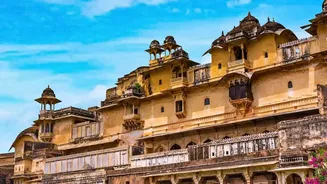
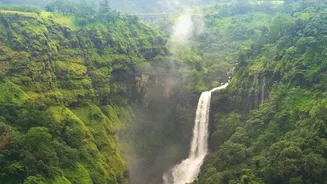
September is a magical time to visit Rajasthan. The monsoon, which typically begins its withdrawal from the western parts of the state first, leaves behind a landscape that is unusually green and vibrant. Cities like Udaipur and Jaipur, while always majestic,
take on a fresh, clean look with their lakes full and the Aravalli hills washed in green. Temperatures are more forgiving than the scorching summer months, hovering around a pleasant 30-33°C, making sightseeing enjoyable. What's more, this is a shoulder season, so you can explore iconic forts and palaces with fewer crowds than in the peak winter tourist rush. It’s a rare opportunity to see the desert state in a different, more verdant light.
Kerala: God’s Own Country Reawakens
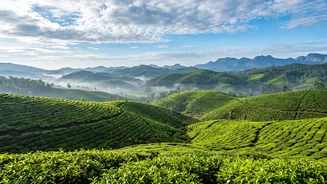
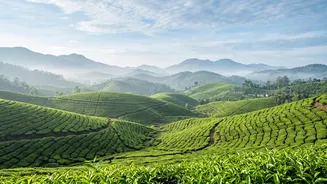
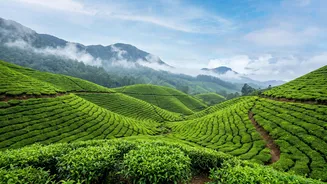
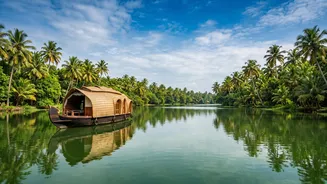
While the heaviest of the monsoon showers are over by September, their magnificent after-effects are on full display in Kerala. The entire state is a canvas of brilliant greens, from the rolling tea plantations of Munnar to the tranquil backwaters of Alleppey. Waterfalls are at their most powerful and dramatic, and the air is fresh and clean. This month often coincides with the vibrant Onam festival, offering a spectacular glimpse into local culture, complete with elaborate feasts, traditional dance performances, and snake boat races. With rainfall becoming more intermittent, it's an ideal time to enjoy the lush scenery without the constant downpours of the preceding months, and often with better deals on accommodation.
Spiti Valley: The High-Altitude Haven
For those seeking adventure and dramatic landscapes, September is arguably one of the best months to visit Spiti Valley in Himachal Pradesh. Located in a rain-shadow region, Spiti is largely sheltered from the heavy monsoon rains that affect other parts of the Himalayas. By September, the weather is typically clear and dry, offering crisp, unobstructed views of the stark, beautiful mountains and deep blue skies. The roads, including the access from Manali, are generally more reliable than in the peak monsoon months, though it's always wise to check current conditions before you travel. It's an excellent window for trekking and exploring ancient monasteries before the winter snows arrive and cut off access.
Madhya Pradesh: Heritage Amidst Nature
Often overlooked, the heart of India offers some truly stunning post-monsoon sights. Destinations like Orchha and Mandu are transformed in September. The ancient forts, palaces, and cenotaphs are set against a backdrop of lush greenery, with the Betwa and Narmada rivers flowing full and fast. The rain washes the stone clean, revealing the intricate details of the architecture. The weather is cooler and more pleasant, making it ideal for exploring these vast historical complexes. Unlike the more famous tourist circuits, these spots remain relatively uncrowded, offering a sense of discovery and a peaceful, romantic atmosphere that is hard to find elsewhere.
The East Coast: A Different Monsoon Story
While the west coast is just drying out, the east coast, particularly Tamil Nadu and Puducherry, operates on a different monsoon calendar. The primary northeast monsoon for this region arrives later in the year. This means September is a relatively dry and pleasant month here. You can explore the French colonial architecture and charming cafes of Puducherry or the ancient temples of Tamil Nadu without the intense heat of summer or the heavy rains that are yet to come. The landscape is still reaping the benefits of earlier showers, making it a great time for a coastal or cultural holiday.