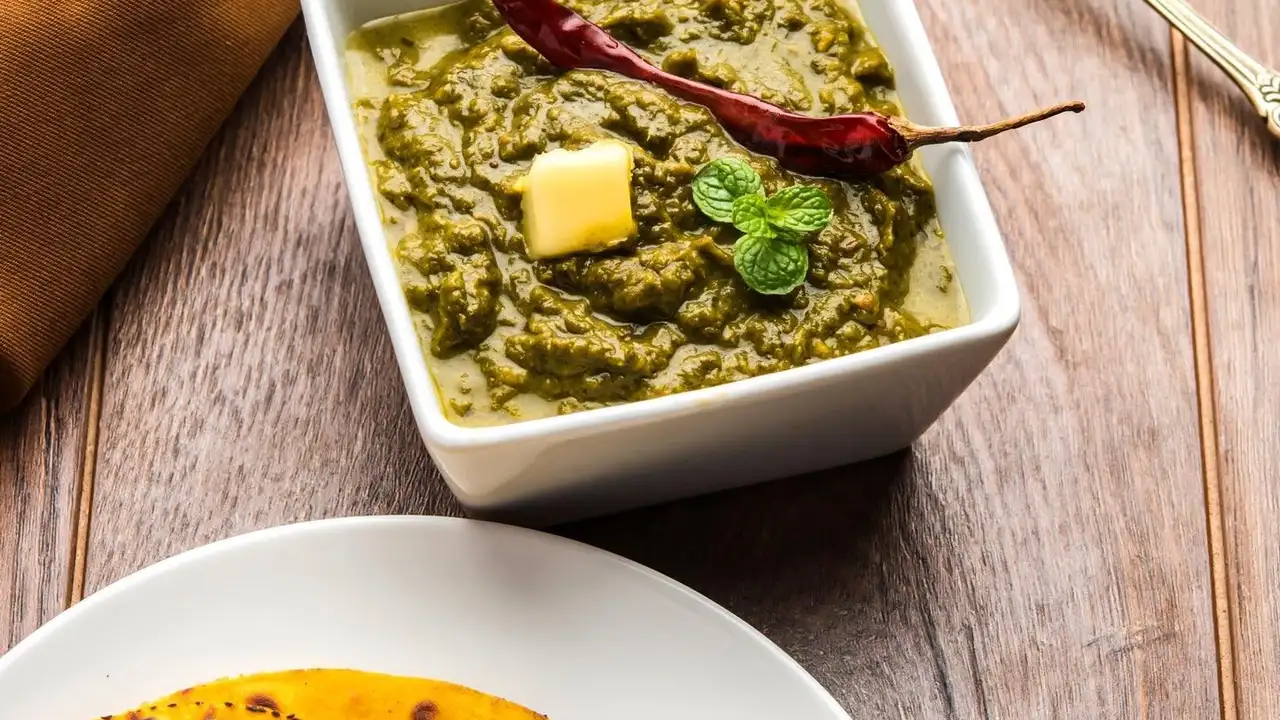






As a chill settles in the air, our cravings turn to meals that offer more than just taste; they must provide warmth and comfort. In North India, the undisputed champion of winter cuisine is the pairing of Sarson Ka Saag with rustic, hearty rotis.
A Taste of the Winter Harvest
The magic
of this combination begins in the fields. Sarson, or mustard greens, is a winter crop, thriving in the cool temperatures of North India. The dish is a direct reflection of the region's agricultural cycle, traditionally prepared when the leaves are fresh and abundant. This practice of eating seasonally is not just a tradition but a form of culinary wisdom. The saag itself is often a blend of mustard leaves with other winter greens like spinach (palak) and bathua (pigweed), each adding a layer of complexity to the final flavour. The result is a slow-cooked, creamy green curry that is deeply earthy and slightly pungent, a true taste of the winter harvest.
The Ancient Wisdom of 'Warming' Foods
According to Ayurveda, winter is a time when our digestive fire (agni) is strong, and the body requires nourishing, 'warming' foods to stay balanced. Both mustard greens and pearl millet (bajra) are considered warming in nature, helping the body generate internal heat to combat the cold. This traditional pairing provides the body with exactly what it needs to endure lower temperatures. Modern nutrition supports this ancient wisdom. Mustard greens are packed with vitamins A, C, and K, as well as minerals like iron and calcium, which are crucial for boosting immunity during the cold and flu season. Ghee, generously used in the saag's preparation, is a healthy fat that not only adds flavour but also helps the body absorb these fat-soluble vitamins.
The Perfect Partnership: Bajra and Saag
While Sarson Ka Saag is most famously paired with Makki di Roti (maize flatbread) in its native Punjab, the combination with Bajra Roti is a beloved and equally nutritious alternative, popular across North India. Bajra, or pearl millet, is a gluten-free grain that is a powerhouse of nutrients. It is rich in protein, magnesium, iron, and dietary fibre. This high fibre content aids digestion, which can become sluggish in winter, and promotes a feeling of fullness, preventing overeating. The slightly sweet, nutty flavour of a hand-patted bajra roti perfectly complements the sharp, robust taste of the saag. The dense texture of the roti is ideal for scooping up the creamy greens, creating a satisfying and balanced meal in every bite.
More Than a Meal, It's an Experience
The enduring appeal of Sarson Ka Saag and Bajra Rotis goes beyond nutrition. It’s about the entire experience. The preparation of the saag is a labour of love, involving hours of slow cooking until the greens become incredibly tender and creamy. The process is often a communal activity, bringing families together in the kitchen. The final dish, tempered with fragrant garlic, ginger, and onions, and topped with a generous dollop of white butter (makkhan), is a feast for the senses. Served alongside jaggery (gur) to balance the flavours, this meal is not just food; it's a celebration of heritage, a connection to the land, and the ultimate expression of winter comfort.