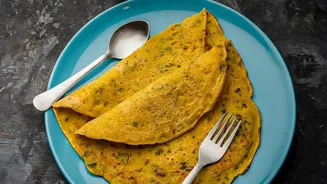



The search for a breakfast that is both deeply satisfying and genuinely healthy can feel endless. Enter Oats Adai, a modern twist on a South Indian classic that expertly combines tradition with nutrition for a truly powerful start to your day.
Understanding the Traditional Adai
Before we
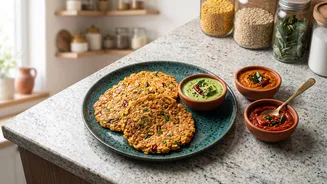
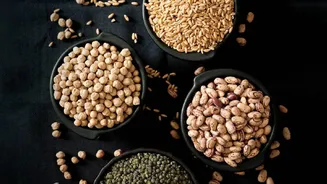
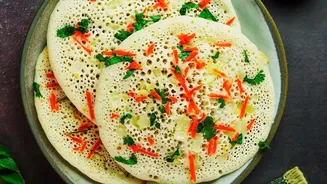
add the oats, it's important to appreciate the original. Adai is a beloved savoury pancake from South Indian cuisine, particularly Tamil Nadu. Unlike its more famous cousin, the dosa, adai is made from a hearty, coarsely ground batter of mixed lentils (dals) and rice. Typically, it includes a combination of toor dal, chana dal, and urad dal. A key advantage is that the batter requires no fermentation, making it a quicker and more spontaneous option than a dosa when you haven't planned the night before. Traditionally made to be thicker and denser than a dosa, it's packed with flavour from ingredients like dried red chillies, asafoetida, and sometimes onions or moringa leaves mixed into the batter.
The Modern Twist: Why Add Oats?
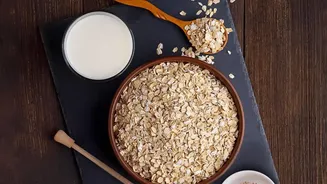
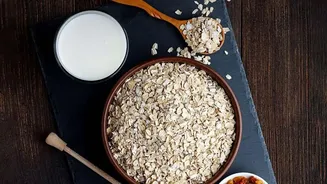
The introduction of oats is where this traditional dish gets a contemporary, health-focused upgrade. Oats are celebrated for their impressive nutritional profile. By replacing some or all of the rice in a traditional adai recipe with oats, the dish becomes lighter and gains a significant health boost. Oats are an excellent source of a soluble fibre called beta-glucan, which is well-known for its ability to help manage cholesterol levels and support heart health. This fibre also promotes a feeling of fullness, helping to control appetite and manage weight. Furthermore, oats are packed with essential nutrients like manganese, phosphorus, iron, and B vitamins, enhancing the overall nutritional value of the breakfast. This simple swap makes the adai even more suitable for a modern, health-conscious diet without sacrificing its comforting essence.
A Breakfast Powerhouse of Nutrition
The combination of lentils and grains creates a complete protein, a concept that is fundamental to a balanced diet. Lentils are rich in protein but can be low in certain essential amino acids, which grains like oats or rice happen to be rich in. When you eat them together in a dish like oats adai, you get a high-quality protein comparable to that from animal sources, which is crucial for building muscle, bone, and skin. This pairing also delivers a powerful mix of complex carbohydrates and fibre. The complex carbs provide sustained energy, preventing the mid-morning slump, while the high fibre content from both the lentils and oats aids digestion, helps regulate blood sugar levels, and keeps you feeling full and satisfied for hours.
How to Make Oats Adai
Making Oats Adai at home is simple. While recipes vary, here is a foundational approach:
Ingredients:
½ cup toor dal (split pigeon peas)
½ cup chana dal (split bengal gram)
¼ cup urad dal (split black gram)
¼ cup moong dal (split green gram)
1 cup rolled oats, powdered
2–3 dried red chillies
1–inch piece of ginger
1 teaspoon fennel seeds (optional)
½ teaspoon asafoetida (hing)
Salt to taste
1 onion, finely chopped (optional)
Coriander leaves or curry leaves, chopped
Oil or ghee for cooking
Method:
1. Wash and soak all four dals together in water for at least 3–4 hours.
2. In a blender, first grind the dried red chillies, ginger, and fennel seeds into a rough paste.
3. Drain the soaked dals and add them to the blender. Grind to a coarse batter, adding a little water as needed. Do not make it too smooth; a gritty texture is key for adai.
4. Transfer the batter to a bowl. Add the oats powder, asafoetida, salt, chopped onions, and leaves. Mix everything together thoroughly. The batter should be thick but pourable, similar to pancake batter. Let it rest for 15–20 minutes.
5. Heat a tawa or flat pan over medium heat and lightly grease it. Pour a ladleful of batter and spread it into a thick circle. You can make a small hole in the centre, which is traditional and helps it cook evenly.
6. Drizzle a little oil or ghee around the edges and cook for a few minutes until the bottom is golden brown and crisp.
7. Flip the adai and cook the other side until it is also cooked through and golden. Serve hot.
Serving Suggestions and Variations
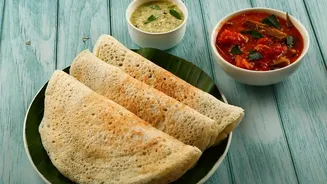
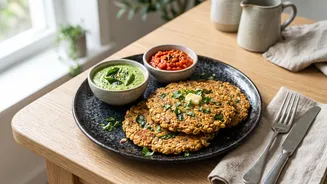
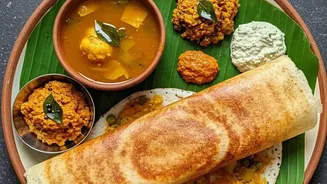
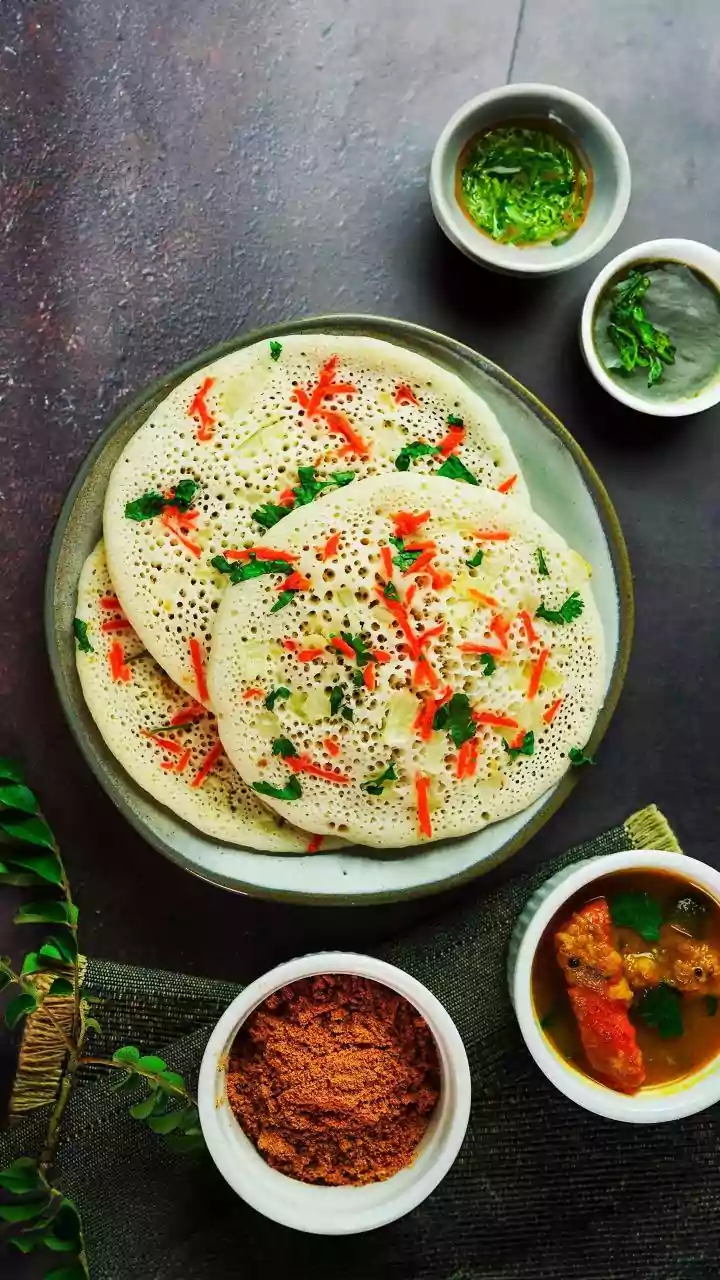
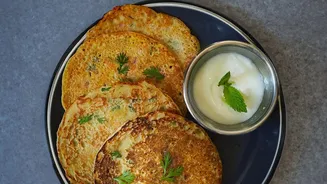
Oats Adai is incredibly versatile and pairs well with a variety of accompaniments. It is traditionally served with avial (a mixed vegetable curry), jaggery, or a simple white butter. Modern pairings that work wonderfully include coconut chutney, tomato chutney, or even just a bowl of plain curd. The recipe itself is also highly adaptable. You can enrich the batter by adding finely grated vegetables like carrots, cabbage, or zucchini for an extra dose of vitamins. For a different flavour profile, add finely chopped drumstick leaves (moringa) to the batter, which is a traditional addition that lends a unique taste. Don't hesitate to adjust the spice levels by increasing or decreasing the number of red chillies to suit your palate.