






A Return to Traditional Wisdom
For generations, Indian households naturally adjusted their meals to the seasons. [9] Our grandparents knew that summer called for light, cooling foods, while winter needed warm, nourishing meals. [9] During the monsoon, the focus shifted to simple, freshly
cooked dishes that were easy on the digestive system. [9] This intuitive approach to eating, known as Ritucharya in Ayurveda, is seeing a major revival. In a world of year-round produce and processed foods, people are rediscovering the benefits of eating what grows naturally during a particular season. [9, 23] This trend isn't just about nostalgia; it’s backed by a growing awareness that seasonal foods are often fresher, more nutritious, and better suited to our body's needs. [9, 21]
Why Monsoon Digestion Is Different
According to both traditional wellness systems and modern observation, the monsoon season presents unique challenges to our bodies. The high humidity and dampness can weaken our digestive fire, or 'agni', making us more susceptible to stomach issues and infections. [8] The risk of waterborne diseases increases, and the body's immunity can take a hit. [3, 10] This is why Ayurveda recommends favouring warm, cooked meals over raw foods like salads, which can be harder to digest and may carry microbes. [2, 8] The goal is to eat foods that support gut health and boost the immune system to navigate the season feeling strong and healthy. [22]
Your Monsoon Vegetable Basket
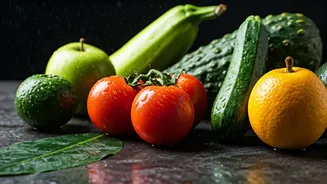
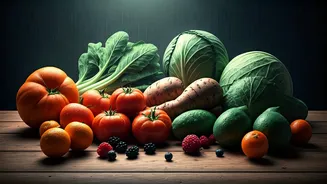
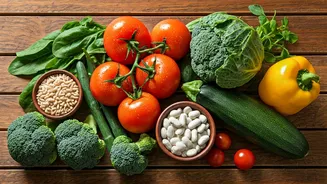
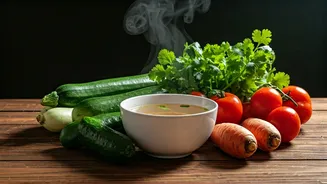
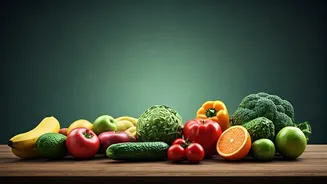
The monsoon brings a wonderful bounty of vegetables perfectly suited for the climate. Gourds are the heroes of this season. Bottle gourd (lauki), ridge gourd (turai), pointed gourd (parwal), and bitter gourd (karela) are all excellent choices. [14, 15] They are light, easy to digest, and rich in fibre. [15] Bitter vegetables, in particular, are traditionally valued during the monsoon for their ability to support liver function and immunity. [18] Other great additions include tomatoes, bhindi (okra), and eggplant (baingan). [13, 19] It's crucial to wash all vegetables thoroughly and cook them well to avoid any potential contaminants. [6, 20]
Fruits and Spices to Embrace
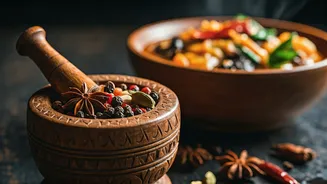
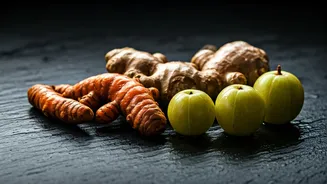
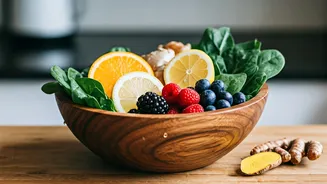
The rainy season also offers a delicious array of fruits that help strengthen our defenses. Look for seasonal gems like jamun, plums, peaches, cherries, pears, and pomegranates. [14, 21] These fruits are packed with Vitamin C and antioxidants that bolster the immune system. [14] Spices are your best friend during the monsoon. Ginger, garlic, turmeric, black pepper, and cinnamon have powerful anti-inflammatory, antiviral, and antibacterial properties. [3, 14] Adding them generously to your soups, curries, and teas can aid digestion, soothe a sore throat, and help your body fight off common seasonal ailments like the cold and flu. [3, 12, 5]
Simple Habits for a Healthy Monsoon
Beyond specific ingredients, adopting a few simple habits can make a huge difference. Opt for warm, comforting foods like soups, stews, and khichdi, which are nourishing and easy on the stomach. [2, 6] Herbal teas made with ginger, tulsi, or lemon are perfect for staying hydrated and warm. [8, 20] It's wise to be cautious with street food and limit heavy, deep-fried snacks that can tax your digestive system. [6, 20] Instead, embrace home-cooked meals. This approach allows you to control the ingredients and hygiene, ensuring your food is both delicious and safe. By eating mindfully with the season, you can enjoy the rain without letting it dampen your health.