





Beyond the Health Halo
Millets have rightfully returned to our kitchens, celebrated for their immense health benefits and sustainability. As ancient grains, they are packed with fibre, protein, and essential minerals. But their appeal on a rainy day goes far beyond nutrition
charts. The true magic lies in their ability to deliver soulful comfort. Unlike processed snacks that offer a fleeting high, a warm bowl of spiced millets provides a slow, steady release of energy and warmth, leaving you feeling satisfied and nourished, not sluggish and heavy. It’s the kind of comfort that feels both indulgent and responsible.
The Psychology of a Warm Bowl
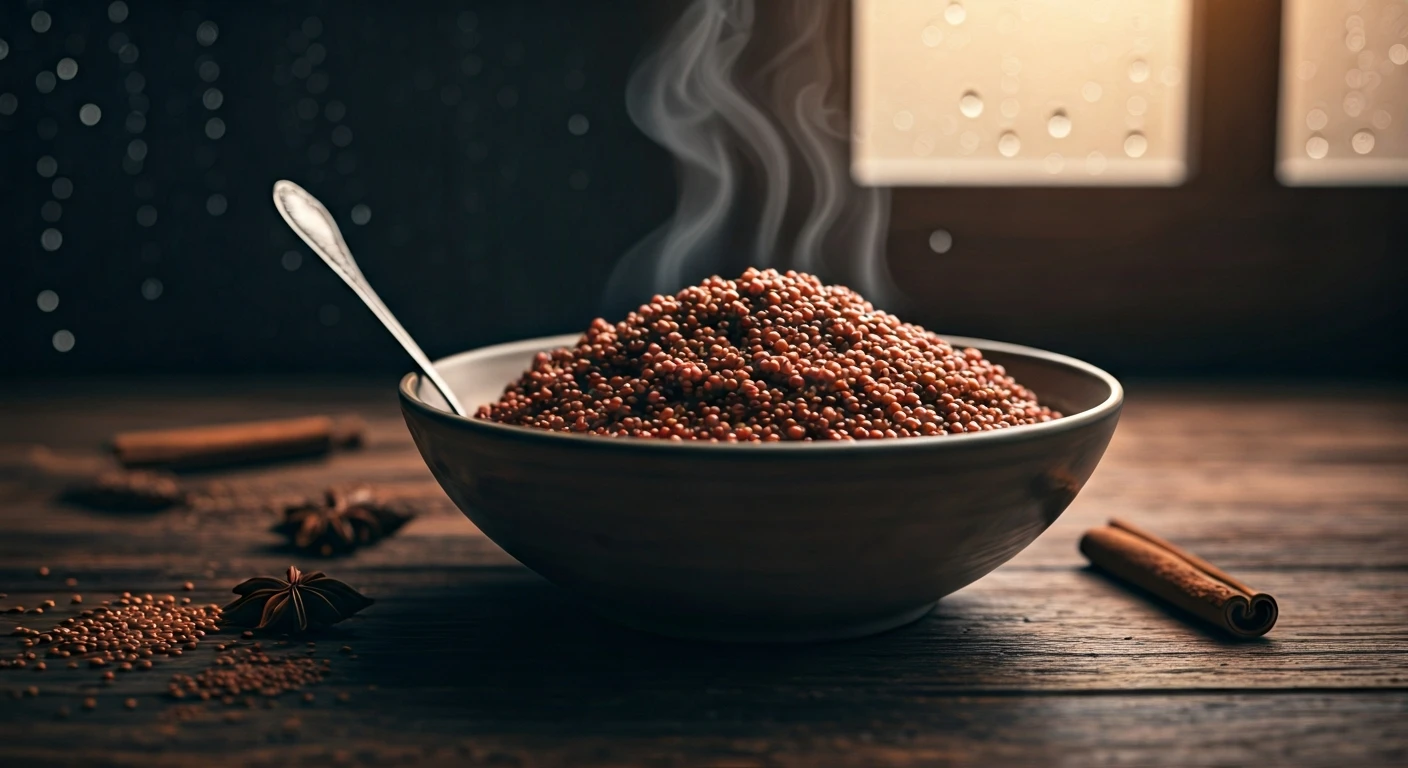
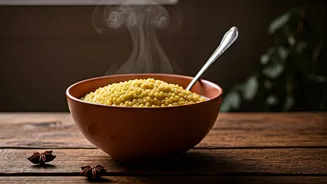
There's a reason we reach for warm foods when we feel down or cold. Holding a warm bowl in your hands is a grounding experience. The steam carrying fragrant aromas of spices immediately calms the senses. Millets, with their earthy flavours and varied textures, form a perfect canvas for this experience. A creamy ragi porridge or a fluffy foxtail millet khichdi engages the palate in a way that is simple yet profound. They are, in essence, a hug in a bowl, providing a sense of safety and well-being that is particularly welcome when the world outside is grey and wet.
Choosing Your Millet
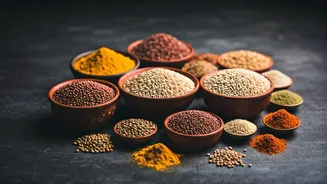
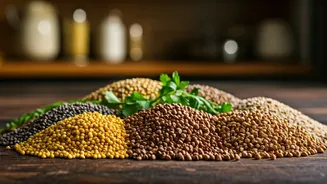
Not all millets are the same, and choosing the right one can tailor your comfort experience. Here’s a quick guide: * **Foxtail Millet (Kangni/Thinai):** Small, yellow grains that cook up light and fluffy. Perfect for making upma or a pilaf-style dish. It’s quick-cooking and has a mild, nutty flavour. * **Pearl Millet (Bajra):** A robust, bold-flavoured millet, ideal for making a hearty porridge or bhakri. Its warming properties are legendary in states like Rajasthan and Gujarat, making it perfect for cooler weather. * **Sorghum (Jowar):** Often ground into flour for rotis, whole jowar can be cooked like rice. It has a chewier texture and a pleasantly mild taste, working well in savoury porridges. * **Finger Millet (Ragi):** Known for its deep brown colour and high calcium content. When cooked, it becomes creamy and smooth, making it the ideal base for a sweet or savoury porridge that is comforting for all ages.
The Art of Spicing
The true genius of a millet dish lies in its seasoning. A simple tadka can transform these grains from bland to brilliant. Start with a base of ghee or oil, and sizzle some mustard seeds until they pop. Add cumin seeds, a pinch of asafoetida (hing), and a slit green chilli. This foundational tempering provides an instant burst of flavour. From there, you can customise: * **For Warmth:** Add freshly grated ginger and garlic. Their pungent, warming notes are a classic remedy for monsoon chills. * **For Colour and Health:** A generous pinch of turmeric not only adds a beautiful golden hue but also brings its anti-inflammatory benefits. * **For Depth:** A sprinkle of garam masala or sambar powder towards the end of cooking adds a complex, aromatic finish. * **For Freshness:** Finish with a squeeze of lime juice and a garnish of fresh coriander leaves to lift the entire dish.
Easy Rainy Day Ideas
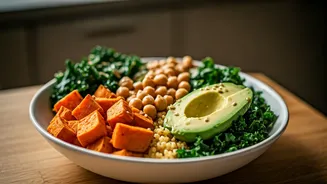
You don't need a complicated recipe. Try a simple Millet Khichdi by pressure-cooking your chosen millet with moong dal, turmeric, and salt, then topping it with a flavourful tadka. Another easy option is a savoury porridge: cook the millet with water or broth until tender, then stir in sauteed onions, tomatoes, and your favourite spices. You can add finely chopped vegetables like carrots, peas, and beans to make it a complete one-pot meal. The goal is simplicity and nourishment, letting the ingredients speak for themselves.