




Why August Travel Gets So Hectic
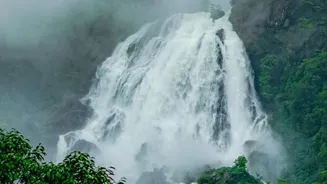
August is a perfect storm for travel in India. In 2026, the month is packed with opportunities to escape, including long weekends for Independence Day and Raksha Bandhan. For many, this is also an ideal time for monsoon getaways, when landscapes are lush
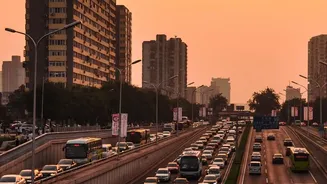
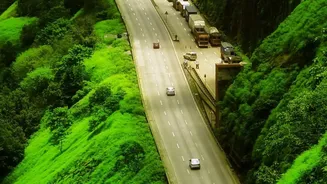
and waterfalls are in full flow. This combination of holidays and seasonal appeal means a massive number of people hit the roads and railway networks simultaneously. Traffic on key routes, like the Mumbai-Pune Expressway, can surge by three to four times during these periods. This collective rush creates predictable bottlenecks at city exits, toll plazas, and popular tourist towns, turning a three-hour drive into a seven-hour ordeal.
The Mindset Shift: Your Holiday Starts at Your Doorstep
We meticulously book hotels and plan sightseeing, but often treat the journey as an afterthought—a frustrating hurdle before the fun begins. The most effective way to combat travel stress is to reframe this thinking. Your holiday doesn't start when you check into your hotel; it starts the moment you lock your front door. By treating your commute time with the same respect as a flight schedule or a dinner reservation, you shift from being a victim of traffic to being in control of your time. This simple change in perspective is the foundation of a smoother, more enjoyable trip from start to finish.
How to Actually Schedule Your Journey
Putting your travel time in the calendar is more than just a reminder. Block out a realistic chunk of time for the drive, and then add a buffer. For a journey that typically takes four hours, block six. This accounts for unexpected traffic, food stops, and the general slowdown that accompanies holiday rushes. Plan your departure time strategically. Leaving on Thursday evening for a Friday holiday can mean getting stuck in the mass exodus after work. Consider leaving very early on Friday morning or even taking an extra day off to travel on a quieter weekday. The goal is to avoid travelling during peak departure and return times, when roads are at their most congested.
Leverage Technology to Your Advantage
Modern tools can give you a significant edge. Google Maps has a feature that allows you to set a 'Depart at' or 'Arrive by' time for a future date. Using historical traffic data, it can provide a surprisingly accurate estimate of your travel time, helping you decide the best window to leave. Before you head out, always check live traffic conditions. These apps can alert you to accidents or unusual congestion in real-time, allowing you to switch to an alternative route. For monsoon trips, especially in hilly areas, checking weather forecasts and local travel advisories is crucial, as conditions can change rapidly and lead to road closures.
Planning Beyond the Car
This scheduling principle isn't just for road trips. The chaos of long weekends extends to airports and railway stations. Festive seasons often see scenes of massive crowds at major terminals. Just as you would budget extra time for traffic, budget extra time for long queues at security, check-in counters, and boarding gates. Arriving at a railway station or airport just an hour before departure during a holiday rush is a recipe for anxiety. Schedule your arrival at the terminal at least two to three hours before your flight or train, ensuring that even if there are long lines, you won't be in a frantic rush.
Don't Forget the Return Journey
One of the biggest travel traps is the return journey. After a relaxing weekend, it's easy to assume the drive back will be smooth, only to get caught in the Sunday evening gridlock. This is when everyone else is also heading home. Apply the same scheduling discipline to your return trip. Block out the time, add a buffer, and consider leaving earlier on Sunday than you think you need to, or extending your stay and travelling back on Monday morning if possible. A calm, predictable drive home is the perfect way to preserve that holiday feeling, ensuring you return refreshed instead of frustrated.