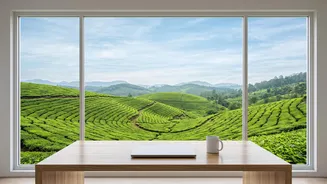








The Evolution from Home Office to World Office
The widespread adoption of remote work was initially a response to a global necessity, but it has since blossomed into a permanent feature of the modern professional landscape. In India, a significant portion of the workforce has embraced hybrid or fully
remote models, particularly within the tech sector. This newfound flexibility has untethered employees from a single location, creating an opportunity to rethink not just how they work, but where. The initial novelty of the home office has given way to a more intentional lifestyle choice: the 'workation', a portmanteau of work and vacation. This isn't about taking time off; it's about integrating work into a more inspiring and fulfilling environment.
Combating Burnout and Boosting Well-being
A primary driver for choosing a work-and-leisure destination is the pursuit of improved mental and physical health. The monotony of the same four walls can stifle creativity and lead to burnout. A change of scenery provides fresh stimuli and helps break the routine. Professionals are finding that relocating, even temporarily, to a place with access to nature, culture, or simply a more relaxed atmosphere can significantly reduce stress and renew motivation. This deliberate blending of work with a desirable environment is a proactive strategy to maintain a healthier work-life harmony, making work feel less like a chore and more a part of a chosen lifestyle.
The New Rules of Productivity
Contrary to the belief that a vacation-like setting would kill productivity, many remote workers report the opposite. By removing the distractions of home life or the rigid structure of a corporate office, they can achieve a state of deep focus. This autonomy allows individuals to design a work schedule that aligns with their personal productivity peaks. Many find that the promise of an afternoon hike, a swim in the sea, or exploring a new city is a powerful motivator to complete tasks efficiently. The result is often not just sustained, but increased output, driven by a greater sense of well-being and control over their environment.
What Makes a Destination 'Work-Ready'?
The ideal 'bleisure' destination is more than just a pretty picture. It requires a specific set of practical infrastructure. At the top of the list is reliable, high-speed internet, a non-negotiable for any remote professional. Affordability is another key factor; a low cost of living allows for a higher quality of life without financial stress. Other critical elements include a safe environment, convenient amenities like supermarkets and gyms, and a welcoming community. The rise of co-working and co-living spaces in many locations provides not just a desk, but also a built-in network of like-minded individuals, combating the isolation that can come with remote work.
The Rise of 'Bleisure' Hubs in India and Abroad
Destinations are actively competing to attract this new class of worker. Globally, cities like Lisbon, Bali, and Barcelona have become magnets for digital nomads by offering a blend of solid infrastructure and vibrant lifestyle. In India, the trend is also taking firm root. Professionals based in business hubs like Bengaluru and Hyderabad are increasingly adding short getaways to nearby leisure spots such as Coorg, Hampi, or Rishikesh. Hotels and resorts are adapting by offering work-friendly amenities, from quiet co-working zones to extended-stay discounts, catering specifically to the bleisure traveler. This synergy benefits both the worker, who gets a fulfilling experience, and the local economy.