







Trap 1: The Passport and Visa Panic
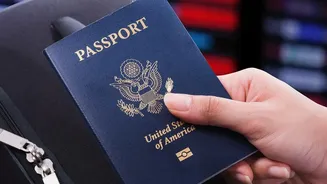
One of the most common and disastrous mistakes is discovering your travel documents aren't in order just weeks before your flight. Many first-timers assume a passport is valid until its expiration date, but numerous countries require it to be valid for at least
six months beyond your planned stay. Forgetting to check this, or not allowing enough time for visa applications, can end your trip before it even begins. Some countries require electronic travel authorisations (eTAs) or eVisas that need to be secured online before you travel. The Fix: Check your passport's expiration date the moment you start planning. Use official embassy or consulate websites to verify the specific entry, visa, and passport validity rules for your destination and any transit countries. Apply for necessary visas or authorisations well in advance, as processing times can be lengthy. Keep digital and physical copies of all crucial documents, including your passport, visa, flight confirmations, and hotel bookings.
Trap 2: The Budgeting Blind Spot
It’s easy to budget for the big-ticket items like flights and accommodation, but the small, daily costs are what often derail a travel budget. First-time travellers frequently underestimate expenses like airport transfers, city taxes, baggage fees, tips, and daily snacks or coffees. Another common misstep is not informing your bank of your travel plans, which can lead to your cards being frozen due to fraud alerts, or getting hit with hefty foreign transaction fees. The Fix: Create a comprehensive budget that goes beyond the basics. Research the average cost of meals, local transport, and activities at your destination. Build a contingency fund of around 15-20% for unexpected costs or spontaneous splurges. Before you leave, notify your bank and credit card companies of your travel dates and destinations. Inquire about foreign transaction fees and consider getting a travel-friendly credit or debit card. Carry a mix of payment options: a primary card, a backup card, and a reasonable amount of local currency for smaller vendors or places where cards aren't accepted.
Trap 3: The Over-Packed Itinerary
In the excitement of a first trip, there's a powerful temptation to see and do everything. This often results in a jam-packed schedule that leaves no room for spontaneity, discovery, or simply relaxing. Rushing from one landmark to another can lead to exhaustion and a feeling that you only saw the country through a camera lens, without truly experiencing it. You also risk underestimating travel time between locations, leading to missed bookings and added stress. The Fix: Prioritise your 'must-see' list and build your itinerary around those key experiences, rather than trying to cram everything in. Schedule downtime to simply wander, sit at a café, and soak in the atmosphere. Sometimes the most memorable moments are the unplanned ones. Be realistic about what you can achieve in a day and group attractions by neighbourhood to minimise travel time and cost. Less is often more when it comes to a truly rewarding travel experience.
Trap 4: Skipping Travel Insurance
Viewing travel insurance as an optional extra is a gamble many first-timers take to save a little money. However, this can be a financially devastating mistake. An unexpected event, such as a medical emergency, cancelled flight, lost luggage, or family crisis, can happen to anyone. Healthcare costs in many countries can be astronomical, and without insurance, you are liable for the full amount, which can run into thousands of dollars for even minor incidents. The Fix: Purchase comprehensive travel insurance as soon as you book your trip. A good policy should cover medical emergencies, emergency evacuation, trip cancellation or interruption, and lost or stolen baggage. In fact, many countries now require proof of travel insurance for visa approval, making it a non-negotiable part of your planning. The peace of mind it provides is invaluable.
Trap 5: Ignoring Local Customs and Culture
What is perfectly normal at home can be considered disrespectful or inappropriate in another country. First-time travellers sometimes overlook the importance of researching local customs, from dress codes and dining etiquette to greetings and social norms. For instance, many religious sites require visitors to cover their shoulders and knees. Ignoring these cultural details not only risks causing unintentional offence but but can also create a barrier between you and the local people you hope to connect with. The Fix: Dedicate a little time before your trip to learn about the local culture. Research appropriate dress, learn a few basic phrases like 'hello,' 'please,' and 'thank you' in the local language, and understand the etiquette around dining, tipping, and public behaviour. This small effort shows respect, fosters positive interactions, and will ultimately lead to a richer and more immersive travel experience.