



A Shopping Spree in the Skies
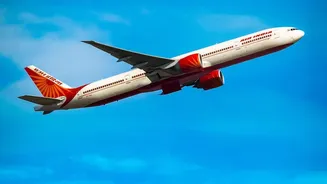
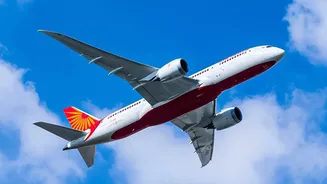
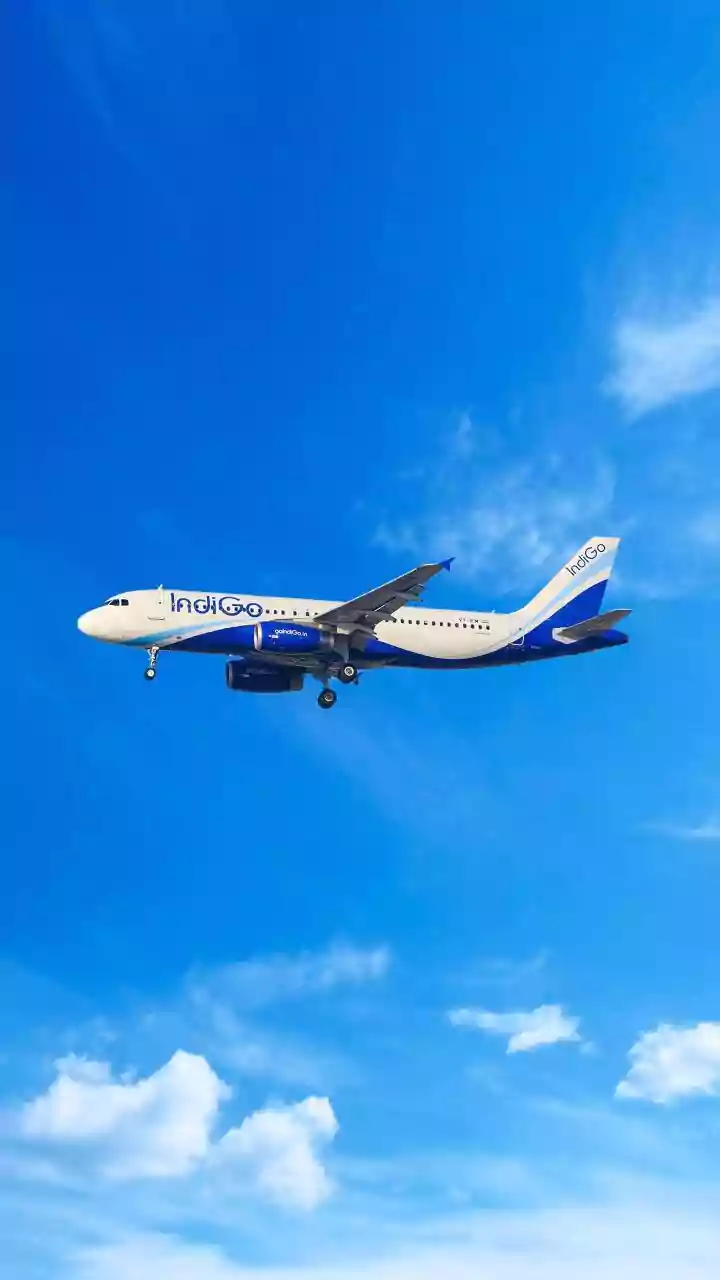
The ambition of India's aviation sector is undeniable. In recent years, major carriers have gone on an unprecedented aircraft buying binge. IndiGo, Air India, and the newer Akasa Air have collectively ordered well over 1,200 new planes from giants Airbus
and Boeing. These orders are among the largest in global aviation history, intended to fuel expansion, connect more cities, and meet the soaring demand from India's growing middle class. Government officials have even stated that the country's total need likely exceeds 2,000 aircraft, signaling that another 1,000 planes could be ordered soon. This historic fleet expansion is meant to be the engine of growth, making India one of the world's fastest-growing aviation markets. But the planes on order are stuck in a long queue, with some deliveries not expected until as late as 2034.
The Engine-Sized Headache
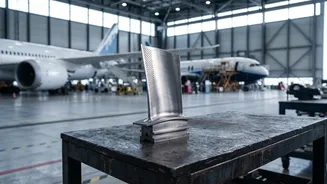
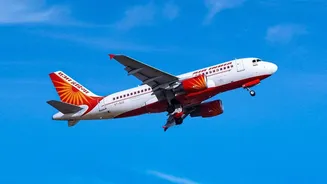
A primary cause of the current shortage sits inside the engines of hundreds of aircraft. A significant number of Airbus A320neo family planes, a workhorse for Indian carriers like IndiGo, are powered by Pratt & Whitney (P&W) engines. These engines have been plagued by serious issues, including a powder metal contamination problem that requires extensive inspections and repairs. These engine problems have proven catastrophic, causing premature failures and forcing airlines to ground a substantial portion of their fleets. At one point, over 130 aircraft across Indian airlines were sitting idle due to these engine-related issues, representing a significant portion of the industry's total fleet. The problem became so severe that it was a major contributing factor to the collapse of Go First, which had half its fleet grounded due to the faulty P&W engines before filing for insolvency.
Global Production Bottlenecks
The problem isn't just about faulty engines; it's also about a strained global supply chain. Both Airbus and Boeing are facing immense backlogs, struggling to ramp up production to pre-pandemic levels. Shortages of key components and labour have created a production logjam, meaning the new planes India has ordered are not arriving fast enough to replace grounded aircraft or fuel expansion plans. This global issue is compounded by other crises, like a mandatory software update for thousands of Airbus A320-family jets worldwide after a technical glitch was discovered, further adding to aircraft downtime. Airlines are now urging manufacturers to accelerate deliveries, but the reality is that the global aerospace industry is struggling to keep up with the voracious demand from India and other markets.
The Ripple Effect on Passengers and Airlines
For passengers, this aircraft shortage translates directly into higher prices and fewer options. With a significant number of planes out of service, airlines have less capacity, especially during peak travel seasons. This supply-demand imbalance inevitably pushes airfares up. For the airlines themselves, the financial strain is immense. A grounded plane is a non-earning asset that still incurs costs. IndiGo, while managing the crisis better than some, has had to ground dozens of aircraft. The situation has forced carriers to find creative, and expensive, workarounds. One popular, but costly, solution is 'wet leasing'. This involves renting an aircraft along with its crew, maintenance, and insurance from another airline, often a foreign one, just to keep routes operational. While it keeps passengers moving, it's a temporary and expensive fix to a deep-rooted problem.
A Financial Web of Leases
The shortage also highlights the unique financial structure of Indian aviation. Over 85% of the aircraft operated by Indian carriers are not owned but leased. This reliance on international leasing companies, primarily based in places like Ireland and Singapore, creates another layer of complexity. It means Indian airlines spend billions in foreign currency on lease rentals annually. The government is actively trying to develop a domestic aircraft leasing ecosystem in GIFT City to reduce this dependency, but for now, the fate of India's airline capacity is closely tied to the global leasing market, which is also feeling the pinch of the aircraft shortage.