
More Than a Condiment, A Cultural Fingerprint
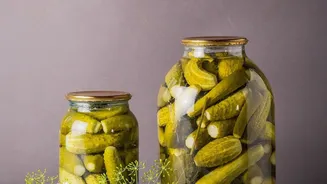
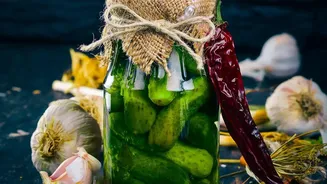
In India, a meal without a pickle, or 'achar', is often considered incomplete. For centuries, these flavourful preserves have been much more than a side dish; they are edible histories passed down through generations. The practice of pickling dates back
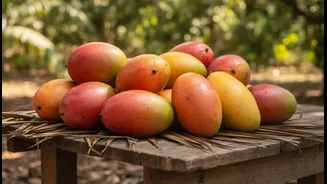
over 4,000 years on the subcontinent, born from the practical need to preserve seasonal abundance through scarce times. Mangoes, available for only a few weeks in summer, could be enjoyed all year, as could a host of other vegetables and fruits. But beyond preservation, pickling evolved into a culinary art form and a ritual of love. The process often involved the entire family, with recipes guarded like precious heirlooms, representing the identity of a household and the specific flavours of its region.
A Journey Through Regional Flavours
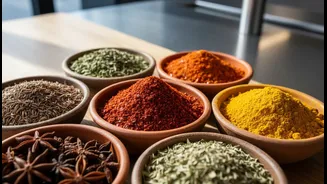
The diversity of Indian pickles is a testament to the country's varied climates and cultures. Each region boasts its own unique style, ingredients, and techniques. In Andhra Pradesh, the fiery 'Avakaya' is a celebrated mango pickle known for its liberal use of mustard powder and red chilli. Travel west to Gujarat, and you will find 'Chhundo', a sweet and tangy grated mango pickle that perfectly balances sugar with mild spice. The deserts of Rajasthan offer the unique 'Ker Sangri' pickle, made from indigenous berries and beans, providing an earthy taste that speaks of its arid origins. Meanwhile, in the Northeast, fermented bamboo shoots and the famously pungent Bhoot Jolokia chilli are transformed into powerful pickles that are central to the local diet. From the mustard-forward pickles of Bengal to the citrusy lime pickles of the South, each jar tells a story of its origin.
The New Wave of Artisanal Achar
In recent years, there has been a significant resurgence in the popularity of these traditional pickles. A new generation of food entrepreneurs and small, home-grown businesses are reviving their grandmothers' closely guarded recipes and bringing them to a wider audience. Many of these brands were born during the pandemic, as people sought comfort in nostalgic foods and looked for authentic, homemade tastes. Leveraging social media and direct-to-consumer online models, these artisanal makers are able to share their family's culinary legacy, often using organic ingredients and traditional, preservative-free methods like sun-drying. This movement is a direct response to a market long dominated by mass-produced pickles that often lack the complexity and character of their homemade counterparts.
A Search for Authenticity and Connection
So why is this revival happening now? The trend towards regional pickles is part of a larger movement among Indian consumers who are increasingly seeking authenticity and a connection to their roots. In a globalised world, there is a growing desire for foods that tell a story and have a sense of place. This movement is also tied to wellness, with a renewed appreciation for fermented foods and natural ingredients over artificial preservatives and flavours. By choosing a bottle of handmade Gongura pickle or a jar of Pahadi lemon achar, consumers are not just buying a product; they are participating in a cultural revival. They are tasting a piece of history and supporting the preservation of a rich culinary heritage that may otherwise be lost to time.