
A Sweet Winter Tradition
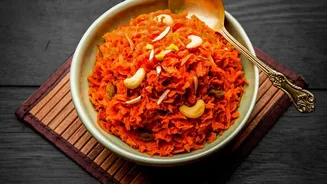
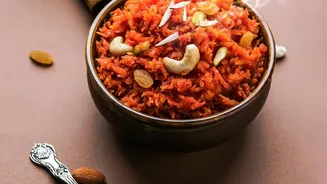
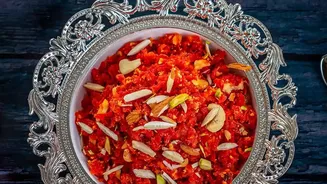
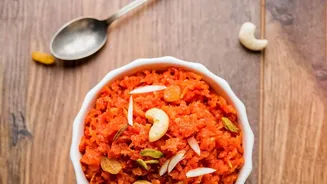
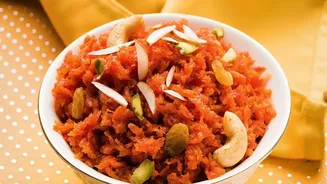
In many parts of North India, the arrival of winter is announced not by the weather, but by the appearance of gajar ka halwa at local sweet shops. This carrot-based pudding is more than just a sweet; it is a seasonal ritual deeply woven into the fabric
of Indian culinary culture. Associated with festivals like Diwali and Holi, as well as family gatherings and weddings, the dessert symbolises prosperity, warmth, and togetherness. Its history is often traced back to the Mughal era, which greatly influenced the cuisines of North India. The very name 'halwa' is derived from an Arabic word for 'sweet', a nod to the Persian and Arabic culinary traditions that travelled to the subcontinent.
The Magic of Seasonal Carrots
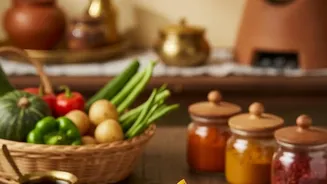
The heart of authentic gajar ka halwa lies in its star ingredient: the seasonal red carrots, often called 'Delhi carrots', which appear in markets only during the winter months. These carrots are prized for their natural sweetness, juiciness, and vibrant colour, which are essential for creating the perfect halwa. Their inherent sweetness means less sugar is needed, allowing the earthy, rich flavour of the carrot to shine through. While the dish can be made with common orange carrots, purists agree that the taste and texture achieved with fresh winter red carrots are unmatched. These seasonal vegetables are also a good source of beta-carotene, which the body converts to vitamin A.
Crafting the Perfect Halwa at Home
The process of making gajar ka halwa is one of patience and love, a slow transformation of simple ingredients into something extraordinary. The traditional method involves slow-cooking freshly grated carrots in full-fat milk until the carrots soften and absorb all the liquid. This requires constant stirring in a heavy-bottomed pan to prevent scorching and ensure an even, creamy consistency. Once the milk has reduced, ghee (clarified butter) is added, followed by sugar. The addition of ghee provides a rich, nutty aroma and a glossy finish, while the sugar should only be added after the milk is absorbed to achieve the right texture. The mixture is then cooked until it thickens and pulls away from the sides of the pan.
Tips for a Flawless Finish
To elevate your homemade halwa, several techniques can make a significant difference. Using full-fat milk is crucial for a rich, creamy texture. For an even more decadent version, many recipes call for khoya (dried milk solids), which adds depth and a granular texture. If khoya isn't available, a small amount of milk powder added towards the end can achieve a similar richness. Finally, the dish is typically finished with a sprinkle of cardamom powder for fragrance and a garnish of chopped nuts like almonds, pistachios, and cashews, which are often lightly toasted in ghee to enhance their flavour.
Beyond Carrots: A Platter of Winter Warmers
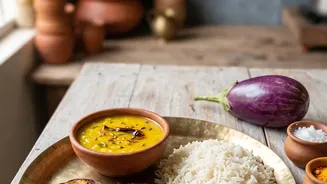
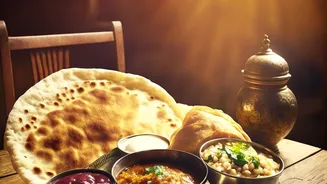
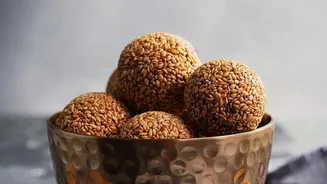
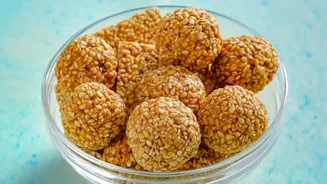
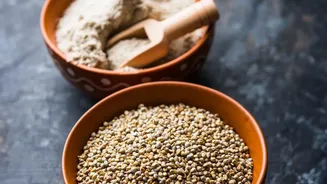
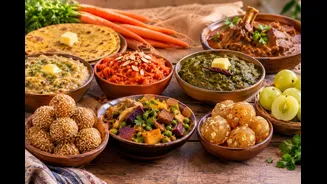
While gajar ka halwa is a star, it is part of a larger family of Indian winter foods designed to provide energy and warmth. In Punjab, kitchens are busy preparing Sarson ka Saag (a dish of mustard greens) to be eaten with Makki ki Roti (corn-flour flatbread). Millets like bajra are used to make rotis and khichdi, especially in regions like Rajasthan and Gujarat. Winter is also the season for energy-dense sweets made from sesame seeds (til) and jaggery (gur), such as til gud laddus and gajak, which are enjoyed during festivals like Lohri and Makar Sankranti.