



Spain has long been a dream destination, famed for its sun-drenched coasts and vibrant cities. But a shift is underway. As traveler priorities change and local pressures mount, the country's world-famous tourism model is facing a major rethink.
The End of an Era for 'Sun and Sand'?
For decades,
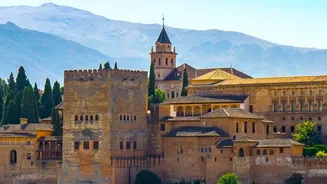
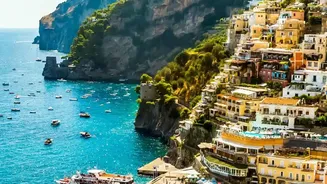
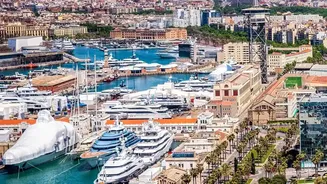
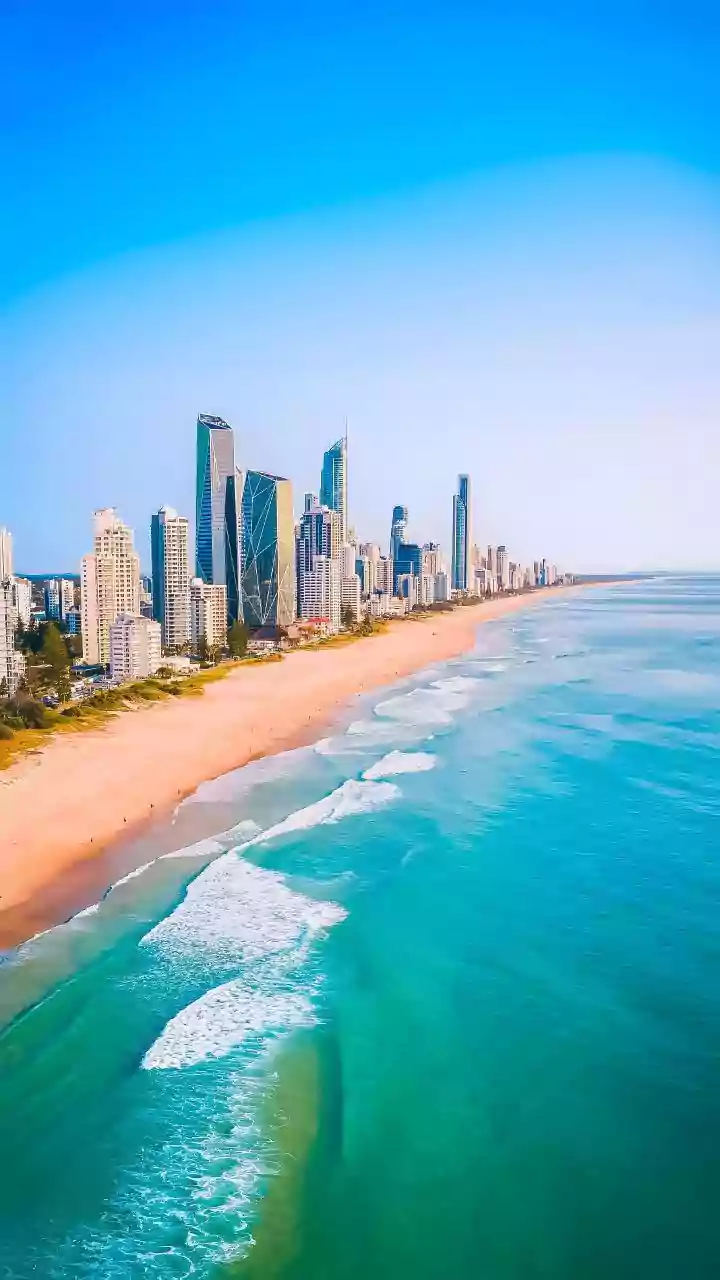
Spain's tourism success was built on a simple formula: sun, sand, and sea. Millions flocked to coastal hotspots for affordable package holidays. While Spain continues to break tourism records, with nearly 97 million international visitors in 2025, there's a growing recognition that this model is becoming unsustainable. Protests against 'overtourism' have erupted in popular areas like the Canary Islands, Barcelona, and Majorca, with locals citing overwhelmed infrastructure, environmental strain, and soaring housing costs as major concerns. This local backlash, combined with a new generation of travelers seeking more than a beach chair, is forcing a national conversation about what tourism should look like in the future.
What Today's Travellers Really Want
Modern tourists are increasingly trading fly-and-flop holidays for more meaningful engagement. There is a rising demand for authenticity, cultural immersion, and sustainability. Instead of just visiting landmarks, travellers want to connect with local communities, explore unique culinary scenes, and experience the country's natural beauty responsibly. This shift is reflected in the growing popularity of 'slow travel' — longer stays in one place — and off-season visits. Wellness experiences and exploring rural 'casas rurales' are also gaining traction as people look to escape the crowds and find a more genuine slice of Spanish life. The desire for eco-friendly options, from transport to accommodation, is no longer a niche interest but a mainstream expectation.
Spain's Official Response: Quality Over Quantity
Spanish authorities are listening. The national government and tourism bodies like Turespaña have launched the 'Spain Tourism Strategy 2030', a long-term plan to pivot the country's focus from sheer visitor numbers to a higher-quality, more sustainable model. A key goal is to de-congest the saturated hotspots by promoting lesser-known destinations. This includes marketing 'Green Spain' in the north, inland territories like Extremadura and Castilla y León, and less-explored areas within popular regions. The strategy aims to spread the economic benefits of tourism more evenly and encourage year-round travel, reducing the intense pressure on the summer peak season. The government has acknowledged that the 'old formulas no longer work' and is investing billions to transform the sector.
Hotspots Under the Microscope
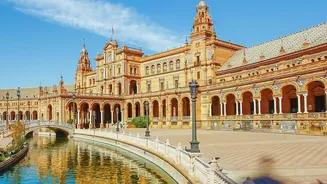
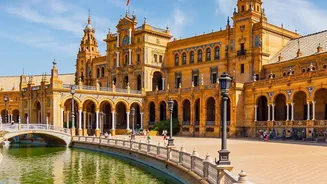
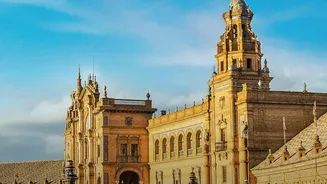
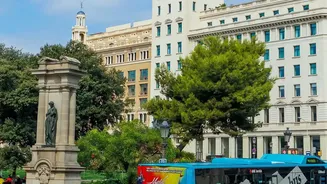
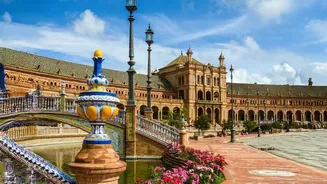
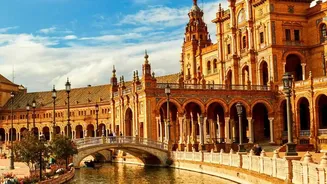
Iconic attractions are not immune to this scrutiny. In Barcelona, which has been a focal point for anti_tourism sentiment, officials are rethinking how visitors experience landmarks like the Sagrada Familia. Plans are underway to create designated photo zones and better manage crowds to ease the strain on surrounding residential neighborhoods. The city even removed a popular bus route from Google Maps to make it more accessible for locals. In Seville, authorities have considered charging non_residents to enter the famous Plaza de España. These moves signal a broader effort to rebalance the needs of residents with the demands of an industry that accounts for over 12% of the nation's GDP.
How This Affects Your Next Spanish Holiday
For travelers, this shift presents a fantastic opportunity. While the classic destinations remain welcoming, the new focus encourages exploration beyond the obvious. Consider swapping a crowded city break for a journey into Spain's diverse interior, where you can find Roman ruins, medieval castles, and world_class wineries without the crowds. Look for EDEN (European Destinations of Excellence) locations, which are celebrated for their sustainable practices. Opting for travel in the shoulder seasons (spring and autumn) can lead to a more pleasant experience with milder weather and fewer people. By choosing to stay in locally_owned hotels, eating at independent restaurants, and exploring via Spain's efficient train network, you can contribute directly to a more responsible and rewarding form of tourism.