





The Incredible Shrinking Mid-Segment
Data reveals a dramatic transformation in what developers are building. According to a recent report from CareEdge Ratings, the share of new homes launched for under ₹1.5 crore has plummeted. In the first quarter of 2022, this segment accounted for a dominant
85% of new launches in India's top seven cities. By the first quarter of 2026, that share had crashed to just 47%. This isn't a gradual decline; it's a structural collapse of the housing category that has traditionally served the broadest section of Indian society. While overall housing sales have moderated slightly in some cities, the mid-segment is where the chill is being felt most acutely.
Why Developers Are Looking Upmarket
The pivot away from affordable housing is not happening in a vacuum. Developers are facing a perfect storm of economic pressures that make building for the mid-market less viable. The primary culprits are the skyrocketing costs of land acquisition, construction materials like steel and cement, and compliance expenses. These rising input costs have severely squeezed profit margins on lower-priced projects. Consequently, developers are chasing healthier margins at the higher end of the market. There, they find a resilient base of affluent domestic buyers and Non-Resident Indians (NRIs) who are less sensitive to inflation and interest rate hikes. This has led to a strategic decision across the industry: build bigger homes with premium amenities for those who can afford them.
The New Focus: Premium and Luxury
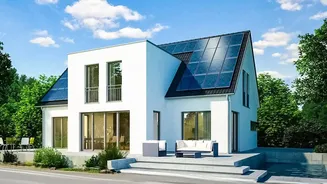
As the sub-₹1.5 crore category shrinks, the premium and luxury segments are booming. The share of homes priced between ₹1.5 crore and ₹4 crore surged from just 14% of new launches in Q1 2022 to a staggering 44% in Q1 2026. The ultra-luxury category, with homes priced above ₹4 crore, has also expanded its footprint, growing from a mere 1% to 9% of new supply in the same period. This new supply isn't just about higher price tags; it reflects changing buyer preferences. Today’s luxury buyer is looking for more than just a prime address. They want larger spaces, wellness-focused amenities, smart home technology, and sustainable, eco-conscious design. Developers are responding with projects that offer a holistic living experience, from farmhouses and villas to branded residences that promise a lifestyle, not just a property.
What This Means for the Average Homebuyer
This structural shift has profound implications for the average Indian family. The decreasing supply of new homes in the mid-segment means less choice and greater competition, potentially pushing prices up even further for the limited stock available. For many first-time buyers and young professionals, the goal of homeownership is becoming increasingly distant, forcing them into a competitive rental market where prices are also rising. The market is visibly splitting, with southern cities like Chennai and Bengaluru showing more stable demand, while major hubs like Mumbai and Delhi-NCR have seen sales decline amid affordability concerns. While developers are financially healthier than they have been in years, with lower debt, this stability has come at the cost of excluding a vast portion of the home-buying public. The very definition of an Indian dream home is being rewritten, moving from an attainable goal for the many to a luxury asset for the few.