
The Power of Cruciferous Vegetables
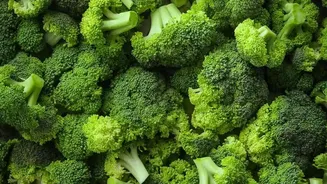
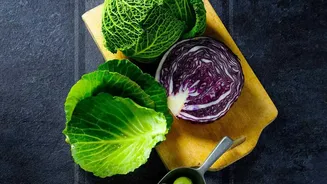
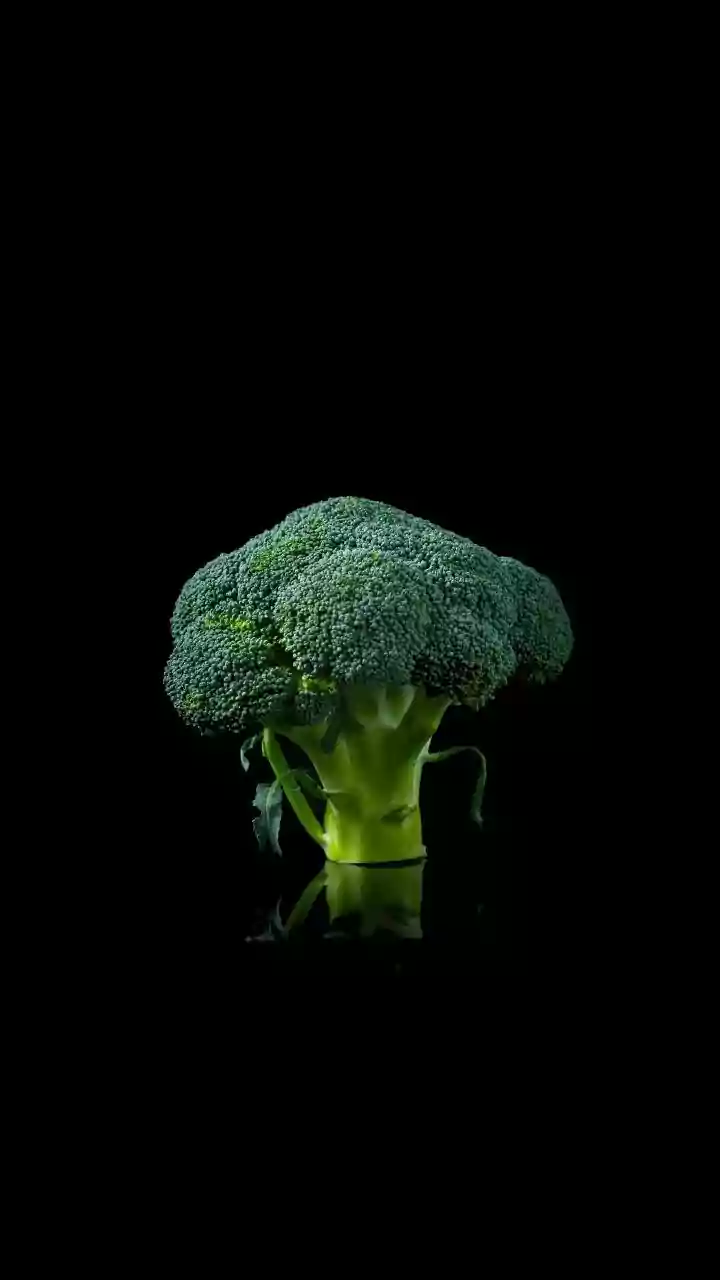
Broccoli, cauliflower, cabbage, kale, and Brussels sprouts belong to the cruciferous family, celebrated for their impressive nutritional profiles. They are packed with vitamins, fibre, and, most notably, powerful compounds called glucosinolates. When
we chop or chew these vegetables, an enzyme called myrosinase converts glucosinolates into isothiocyanates, such as sulforaphane, which are prized for their antioxidant and health-protective properties. However, these beneficial compounds, along with water-soluble vitamins like vitamin C, are sensitive. Their survival often depends on how they are prepared in the kitchen, as both heat and water can dramatically alter their structure and potency. The goal, then, is to cook these vegetables in a way that maximises their nutritional payload.
Steaming: The Gentle Nutrient-Sparing Method
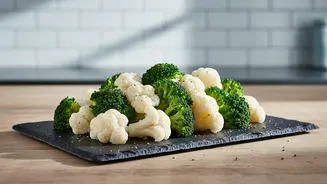
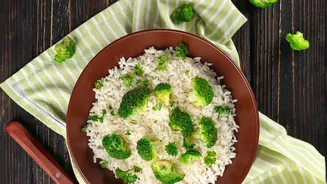
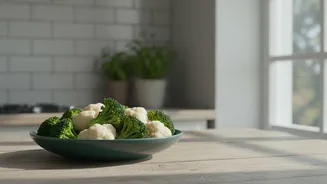
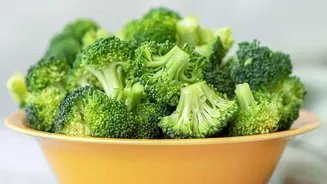
Steaming is widely considered the gold standard for cooking cruciferous vegetables to preserve their nutrients. This method uses moist heat from boiling water, but the vegetables themselves do not come into direct contact with the water. This is crucial. Scientific studies consistently show that steaming is exceptionally gentle on key compounds. One comprehensive study on broccoli found that steaming caused no significant loss of vitamin C and was the best method for retaining total glucosinolates. While other methods like boiling led to significant leaching of these water-soluble compounds into the cooking water, steaming keeps them locked inside the vegetable. Some research has even shown that steaming can preserve the myrosinase enzyme needed to form sulforaphane, a process that other high-heat methods can destroy. By avoiding direct water contact and using a less aggressive form of heat, steaming ensures that more of the good stuff makes it to your plate.
Stir-Frying: Where High Heat Takes a Toll
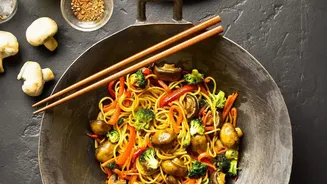
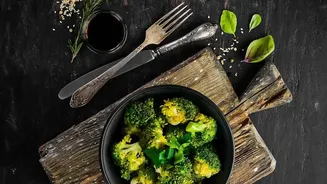
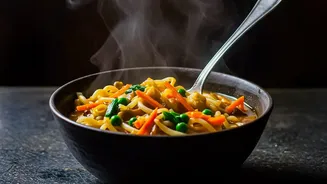
Stir-frying involves cooking food quickly in a small amount of oil over high, direct heat. While it’s a fast and flavourful technique, the intense heat can be detrimental to the delicate nutrients in cruciferous vegetables. Studies have shown that stir-frying can cause significant losses of vitamin C and glucosinolates. For instance, one analysis found that stir-frying broccoli resulted in a 24% loss of vitamin C and a substantial 67% loss of certain indole glucosinolates. The high temperatures can degrade these heat-sensitive compounds. While some studies note that stir-frying is better than boiling because it doesn't involve leaching nutrients into water, it is still generally less effective than steaming for preserving the most celebrated compounds in cruciferous produce. The trade-off for that delicious, quick sizzle is a measurable reduction in antioxidant content.
Not All Nutrients React the Same
While steaming is the clear winner for preserving water-soluble vitamins and glucosinolates, the nutritional picture is complex. Cooking with oil, as in stir-frying, can sometimes have a unique advantage. It can enhance the body's absorption of fat-soluble vitamins, such as vitamin A and beta-carotene. However, for cruciferous vegetables, the primary benefits are often linked to their unique glucosinolates and high vitamin C content, both of which are better protected by steaming. It’s also worth noting that boiling is consistently found to be the worst method, causing massive losses of both vitamin C and glucosinolates as they leach into the cooking water. Unless you plan on drinking the cooking water, boiling is the least desirable option for these vegetables.
Finding a Healthy and Delicious Balance
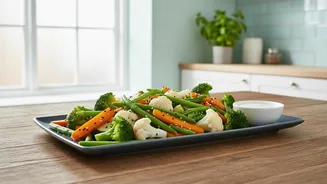
You don’t have to completely abandon your wok. The key is to be strategic. For maximum nutrient retention, make steaming your primary cooking method for cruciferous vegetables. You can steam them until they are crisp-tender and then toss them with your favourite sauces, herbs, or a drizzle of healthy oil for added flavour. If you still crave the texture of a stir-fry, consider a hybrid approach. Lightly steam your broccoli or cauliflower for just a few minutes before adding it to the wok for the final minute or two of cooking. This minimises its exposure to the intense, direct heat while still allowing it to absorb the flavours of your stir-fry. This way, you get the best of both worlds: a flavourful dish with more of its antioxidant power intact.